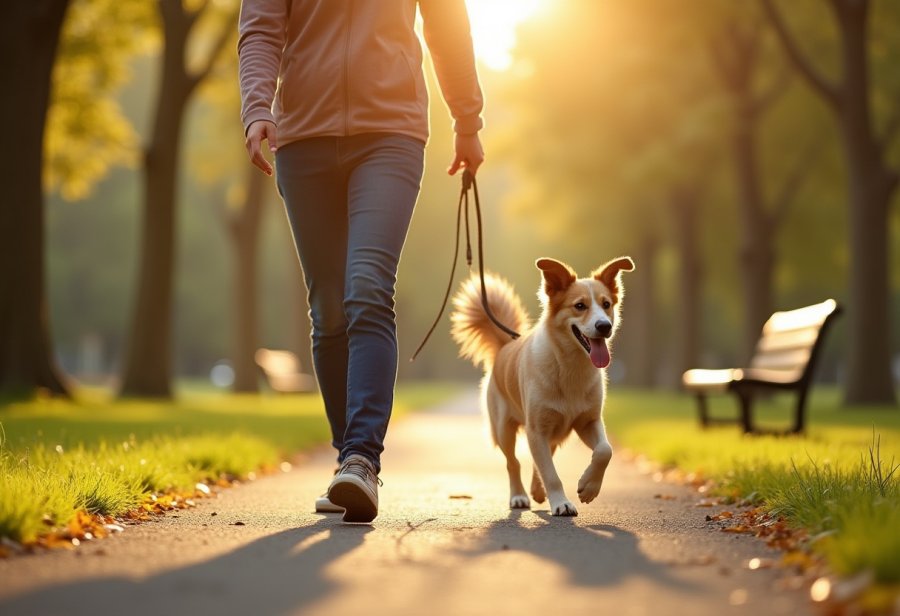
Few moments capture pure joy like watching a dog revel in an outdoor walk, their tail wagging and eyes bright with curiosity. These simple routines become profound expressions of freedom, exploration, and companionship—yet what makes them so emotionally enriching? Outdoor walks tap into a dog’s natural instincts, releasing feel-good chemicals and fostering mental stimulation, while deepening the bond with their owner. The environment, from shaded trails to open fields, plays a crucial role in cultivating joy, offering a sense of security and opportunities for playful discovery. Understanding the science behind canine happiness reveals that these outings do more than exercise— they bolster emotional health, reduce boredom, and nurture confidence. With thoughtful planning—selecting scenic routes, engaging activities, and responsive care—we can transform ordinary walks into meaningful adventures. But how can we continuously enhance these moments to deepen trust, curiosity, and shared happiness? The answer lies in mindful exploration and attentive connection.
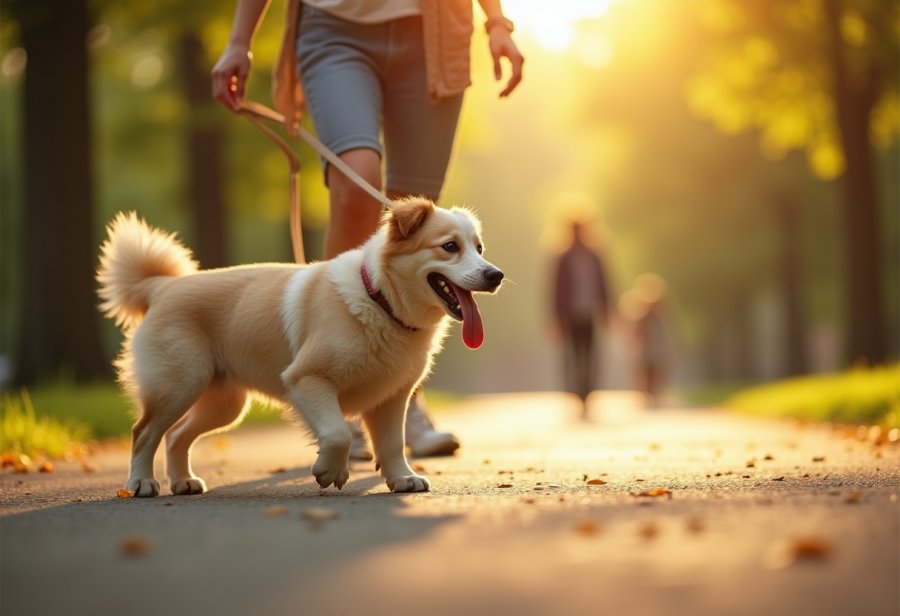
Celebrating Pure Happiness: The Joy of Outdoor Walks with Dogs
Few moments in life capture pure happiness quite like watching a dog on an outdoor walk. Whether it’s a sunny afternoon at the park or a quiet trail through the trees, these outings become more than just routines—they’re celebrations of freedom, curiosity, and companionship. Seeing a dog’s tail wag and eyes bright with excitement reminds us how vital these simple pleasures are for their well-being.
Outdoor walks tap into a dog’s natural instincts to explore and investigate. Their senses come alive as they sniff, listen, and observe everything around them. These moments of discovery aren’t just enjoyable—they’re essential for mental stimulation and emotional health. When a dog sniffs a new scent or chases after a butterfly, they’re engaging their mind in a way that truly feeds their happiness.
For owners, these walks are opportunities to deepen the bond beyond words. Sharing these natural experiences builds trust and mutual understanding. Watching your dog explore freely, feeling safe and confident, strengthens the connection and creates a sense of partnership rooted in trust and love. It’s in these relaxed, unhurried moments that relationships truly flourish.
The environment plays a crucial role in fostering joy during walks. Shaded trails, open fields, or quiet wooded paths provide a calming backdrop that encourages dogs to relax and investigate at their own pace. When the surroundings are engaging yet peaceful, dogs feel more secure and eager to participate, making each outing a positive adventure.
Beyond the immediate happiness, outdoor walks support a dog’s overall emotional health. They help reduce boredom, alleviate anxiety, and boost confidence—all by tapping into their natural instincts to explore and hunt. These experiences remind us that the simplest activities often offer the greatest rewards, enriching their lives and ours in equal measure.
Ultimately, these walks aren’t just about exercise—they’re about shared joy and discovery. Watching your dog’s excitement and wonder during each outing highlights how natural, meaningful, and essential these moments are. They turn everyday routines into treasured memories and reinforce the special bond that makes life with a dog so rewarding.
Unlocking Canine Happiness: The Science Behind Outdoor Exploration
Research in animal psychology confirms that outdoor activities are vital for a dog’s emotional well-being. When dogs explore natural environments, their brains release feel-good chemicals like dopamine and endorphins, which boost their mood and create a sense of happiness. These natural rewards are not accidental; they are deeply rooted in canine biology. Sniffing, in particular, is incredibly stimulating for dogs—each new scent sparks curiosity and excitement, helping to reduce stress and promote mental clarity.
Behavioral cues like wagging tails, relaxed body postures, and playful barks clearly indicate when a dog is feeling joyful during a walk. Allowing dogs to sniff, investigate, and roam freely engages their senses and grants them a sense of control, which is crucial for their emotional health. When dogs are mentally stimulated, boredom and anxiety diminish, preventing behavioral problems that often stem from unmet instincts.
Looking back at their evolutionary history offers insight into why outdoor exploration is so important. Descended from wolves, dogs inherited strong instincts to hunt, explore, and investigate their surroundings. These drives helped their wild ancestors find food, avoid danger, and build social bonds. Although domesticated, these natural urges remain active. When dogs act on these instincts during walks, they experience a sense of purpose and fulfillment that echoes their wild roots.
Body language provides valuable clues about a dog’s emotional state. A wagging tail, soft eyes, and a relaxed stance signal contentment and happiness. Conversely, signs of stress—such as pinned ears or tense muscles—indicate discomfort. Environmental factors like gentle sounds, mild weather, and scenic views influence how dogs experience joy outdoors. Environments that are engaging yet calm help dogs feel secure and eager to explore, fostering positive emotional responses.
Paying attention to a dog’s cues during walks can significantly enhance their emotional well-being. Simple adjustments—like changing the route, adding scent games, or offering praise—turn routine outings into mental feasts. When dogs feel safe and their natural drives are satisfied, they are more relaxed and eager for future adventures. Recognizing and responding to their signals helps deepen the bond and makes each walk a more fulfilling experience.
Understanding the science behind canine happiness reminds us that outdoor walks are more than just physical exercise—they’re essential for mental health and emotional balance. By tapping into their instincts and senses, we help dogs feel more confident, relaxed, and truly joyful. These moments of exploration and discovery are vital, enriching their lives and strengthening the special bond we share with them.
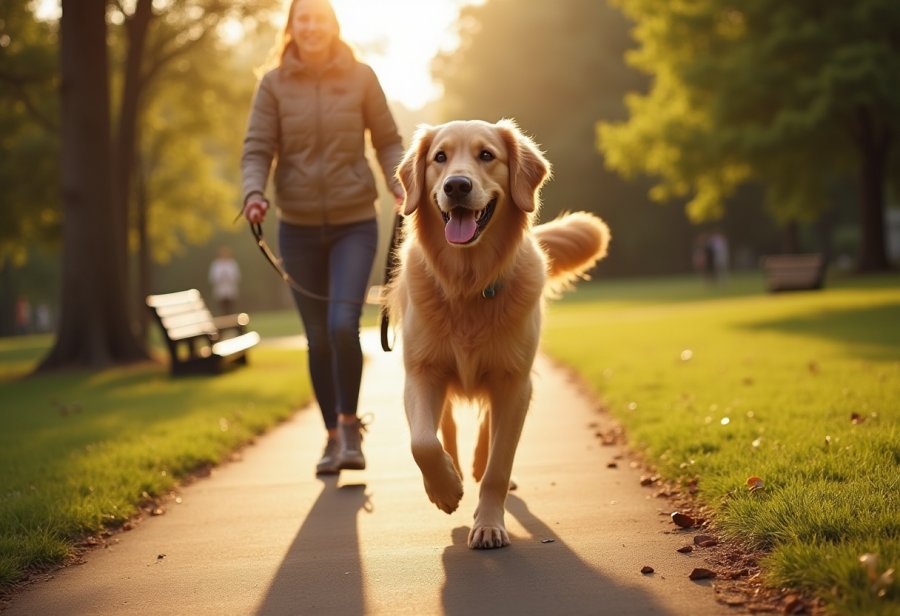
Creating the Perfect Walk: Essential Elements for Joyful Adventures
A truly joyful walk for a dog begins with choosing the right environment. Quiet parks, open fields, or peaceful trails provide a safe space where dogs can freely explore without the distractions of loud noises or heavy traffic. When a dog feels secure in their surroundings, they’re more likely to relax and fully engage. Shade and open space help keep them comfortable, especially on warmer days, preventing overheating and stress. A well-chosen setting sets the tone for a positive, enriching experience that encourages curiosity and calmness.
Engagement is the key to turning a simple walk into an adventure. Incorporating activities like scent games, gentle fetch, or exploring new scents along the way stimulates a dog’s natural instincts. These playful elements make the walk mentally rewarding, keeping their mind active and satisfied. Using praise or treats during these moments reinforces positive behavior and trust, making future outings more enjoyable for both of you. When your dog is actively engaged, the walk transforms from routine to memorable.
Pacing plays a crucial role. Moving at a relaxed, unhurried pace allows dogs to investigate their environment thoroughly. Sniffing, exploring, and taking their time to process every new scent or sight deepen their connection to the surroundings. Rushing through a walk can cut short these moments of discovery, diminishing their joy. Giving your dog the freedom to move at their own speed fosters curiosity and ensures they get the mental stimulation they crave, making each walk a true adventure.
Don’t forget the importance of hydration and rest. Carrying water and offering breaks during walks help prevent fatigue and overheating. Recognizing signs like slow pacing or heavy panting signals it’s time for a pause. Allowing your dog to rest and rehydrate keeps their energy levels high and their spirits eager. When dogs are well cared for physically, they’re more receptive to exploration and play, turning each outing into a pleasant and rewarding experience.
Finally, paying attention to your dog’s cues ensures every walk remains positive. If they show signs of overstimulation or discomfort, adjusting the route or shortening the walk shows care and respect for their needs. Responding to body language with patience and encouragement builds trust and encourages curiosity. When each walk is tailored to your dog’s mood and preferences, it becomes a shared journey—full of discovery, trust, and happiness—strengthening your bond with every step.
Transforming Routine: Practical Tips for Memorable Outdoor Experiences
Turning a routine walk into a joyful outdoor adventure for your dog starts with simple, thoughtful adjustments. Choose routes that are safe, quiet, and full of natural scents—think peaceful parks, open fields, or calm forest trails—where your dog can explore without feeling overwhelmed by noise or crowds. Avoid busy streets or noisy areas that might cause stress; instead, opt for environments that encourage curiosity and relaxation. These settings provide the perfect backdrop for your dog’s senses to come alive and for them to feel secure in their surroundings.
Incorporating playful activities like scent games or gentle fetch along the way can elevate the walk from basic exercise to a rewarding mental adventure. Hide treats or toys behind trees or in the grass to stimulate your dog’s natural hunting instincts. These small challenges keep their mind engaged and transform sniffing into a fun, rewarding experience. Praising or rewarding your dog during these moments reinforces positive behavior and deepens your bond, making each outing more enjoyable and memorable.
Choosing the right gear makes a big difference. A well-fitting harness offers better control and prevents strain during lively moments, while a collapsible water bowl ensures your dog stays hydrated. Carry water and plan for regular breaks, especially on warm days, to prevent fatigue or overheating. Watch for signs of tiredness—like slow pacing or heavy panting—and be ready to pause or shorten the route. When your dog is comfortable and well-hydrated, they’re more eager to explore and engage with their environment.
Environmental factors play an essential role in creating a positive experience. Mild weather, shaded areas, and gentle breezes make outdoor outings more pleasant. Seek out scenic routes with varied sights and smells—such as wooded trails or grassy meadows—that stimulate your dog’s senses and keep their curiosity piqued. When your dog feels safe and comfortable, they’re more likely to relax and fully enjoy the adventure, turning every walk into a joyful exploration.
Responding to your dog’s cues throughout the walk keeps the experience positive. If they show signs of overstimulation or discomfort, don’t hesitate to change direction or cut the walk short. Using praise and encouragement fosters a calm, curious attitude and builds trust. Tailoring each outing to your dog’s mood and needs ensures that every walk remains a shared adventure rooted in mutual comfort and joy.
Finally, adding variety keeps outdoor walks exciting and prevents boredom. Explore new parks, trails, or different times of day to keep your dog eager and interested. Trying new activities or routes stimulates their senses and keeps the experience fresh, deepening their love for outdoor exploration. When each walk is thoughtfully adapted to your dog’s preferences, it becomes more than just exercise—it’s a meaningful, joyful moment that strengthens your bond and enriches their emotional well-being.
Cherishing the Moment: Future Perspectives on Enriching Outdoor Walks
Thinking about the simple joy of outdoor walks reminds us how these everyday moments can have a lasting impact on a dog’s happiness and the bond we share. When a dog’s tail wags with excitement, their body relaxes, and curiosity shines in their eyes, it’s clear that these outings fulfill natural instincts and promote emotional well-being. Each step together builds trust, reinforces affection, and turns routine activities into treasured memories that deepen the connection between pet and owner.
Looking ahead, there are countless ways to make outdoor adventures even more enriching. Exploring new environments—whether different parks, trails, or natural features—keeps the experience fresh and stimulates your dog’s curiosity. Incorporating playful challenges like scent games, fetch, or exploring varied terrains can transform ordinary walks into engaging mental and physical adventures. Paying close attention to your dog’s cues and adapting the route or pace ensures each outing remains positive, safe, and tailored to their needs.
Smart planning and thoughtful gear also play a role in elevating these moments. Lightweight harnesses, reflective collars, and portable water bottles make walks safer and more comfortable, encouraging dogs to relax and fully enjoy the experience. Selecting scenic routes with shaded areas, gentle breezes, and diverse sights and smells stimulates their senses and fosters a feeling of calm confidence. When a dog feels secure, their natural enthusiasm shines through, making every walk a joyful exploration.
Building variety into your routine keeps your dog eager and interested. Trying different parks, changing the time of day, or introducing new activities prevents boredom and encourages ongoing discovery. These small changes add excitement and help your dog develop confidence in new settings. As you explore together, you deepen trust and understanding, transforming each walk from a simple routine into a meaningful shared adventure.
In the end, nurturing your dog’s love for outdoor exploration relies on curiosity, patience, and attentiveness. By continuously seeking new ways to engage their senses and respecting their cues, you create a lifetime of joyful moments. These experiences don’t just improve their happiness—they strengthen your bond, build trust, and remind both of you that life’s greatest pleasures often come from the simplest acts of stepping outside together.
About the Author