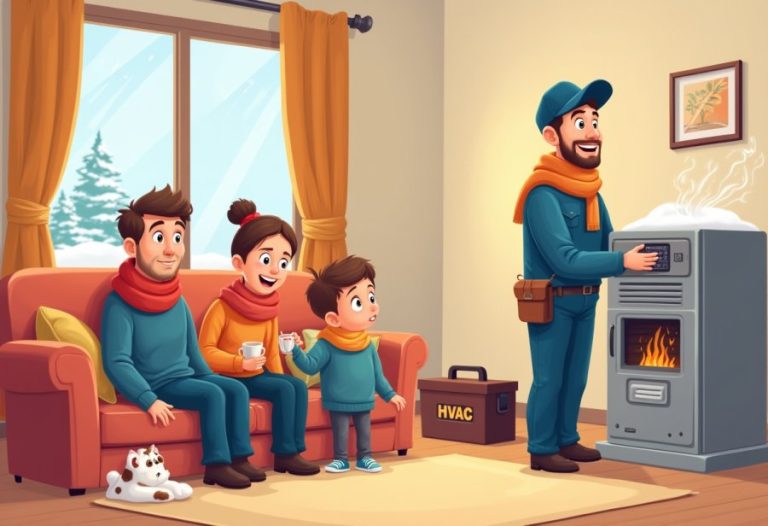
In a world where indoor comfort often goes unnoticed, the true power and necessity of professional HVAC services are frequently underestimated. Could neglecting regular maintenance risk safety, energy efficiency, and ongoing comfort, especially during harsh seasons? This comprehensive exploration reveals that HVAC systems are more than mere conveniences—they are vital safeguards against safety hazards like carbon monoxide leaks, costly breakdowns, and indoor air pollution. While many believe DIY fixes suffice, expert oversight ensures systems operate safely and efficiently, extending their lifespan and protecting health. As industry standards evolve with technological innovations, the future promises smarter, greener, and more resilient systems driven by AI, IoT, and eco-friendly materials. The question remains: are we truly valuing these critical services enough, or are we risking our safety and sustainability by overlooking the profound benefits of professional HVAC care? Investing in expertise today secures peace of mind tomorrow.
Unseen Backbone of Indoor Comfort: The Critical Role of HVAC Systems
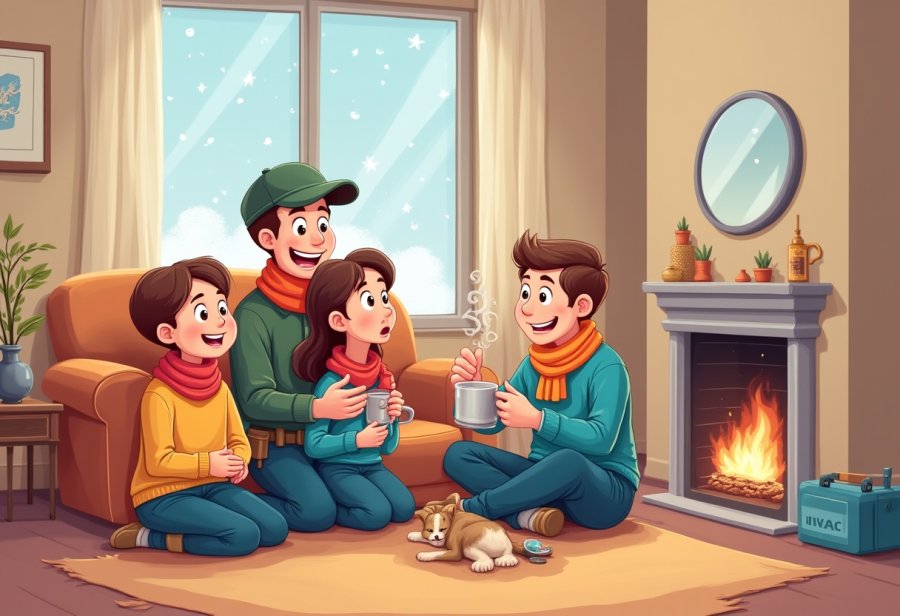
HVAC systems are the unseen backbone of indoor comfort, quietly working behind the scenes to keep our environments safe and livable. Whether it’s a chilly winter night or a hot summer afternoon, these systems adjust temperatures, improve air quality, and maintain proper ventilation. They do more than just cool or heat a space—they help create a healthier and more comfortable environment for everyone inside.
Understanding how HVAC systems operate is key to appreciating their importance. These interconnected systems—heating, ventilation, and air conditioning—are designed to work together seamlessly. They respond to seasonal changes and indoor conditions, ensuring consistent comfort while also preventing issues like mold growth or indoor pollution. When functioning well, HVAC units help protect health and support energy efficiency, which benefits both occupants and the environment.
The significance of a reliable HVAC system becomes even more apparent during extreme weather events. A malfunction during a cold snap or heatwave can quickly turn dangerous, risking health and safety. Regular maintenance and prompt repairs are essential to prevent breakdowns that could leave occupants vulnerable to unsafe conditions. A well-maintained system not only keeps everyone comfortable but also avoids costly emergency repairs and disruptions.
Beyond safety and comfort, HVAC systems play a vital role in energy efficiency. Properly serviced units run more smoothly, consuming less power and reducing utility bills. When equipment is kept in top shape, it operates at peak performance, extending its lifespan and lowering long-term costs. Routine checks and professional servicing help identify small issues early, preventing them from developing into major, expensive problems.
Indoor air quality is another crucial aspect of HVAC’s role. Modern systems filter out pollutants, allergens, and airborne viruses, creating healthier indoor environments. This is especially important for vulnerable populations like children, the elderly, or those with respiratory conditions. Proper ventilation and air purification are essential for maintaining indoor safety and well-being throughout the year.
As we look ahead, the importance of understanding and investing in professional HVAC services becomes clear. These systems are more than just conveniences—they are essential for safety, health, and energy savings. Regular maintenance and expert care ensure that HVAC systems continue to serve us well, providing peace of mind and a safe indoor environment regardless of what the weather outside may bring.
Myth Busting and Realities: Why Professional HVAC Maintenance Saves Money and Lives
Many homeowners and business owners hold mixed feelings about HVAC maintenance. Some believe that as long as their system is running, there’s no need for regular checkups, but neglecting routine service can be a costly mistake. Others see professional upkeep as an unnecessary expense, thinking they can handle simple repairs themselves or that DIY fixes will save them money. This mindset often leads to overlooked maintenance, which can quickly escalate into major problems.
A common misconception is that HVAC systems are straightforward and easy to fix without specialized knowledge. Many assume that changing filters or cleaning vents is enough, but the reality is more complex. HVAC units involve electrical components, refrigerants, and combustion processes that require training and precision. Attempting repairs without proper expertise risks damaging equipment, creating safety hazards like gas leaks, or voiding warranties—costing more in the long run.
Ignoring professional maintenance, especially during winter, can be dangerous. When systems aren’t inspected regularly, hazards like carbon monoxide leaks become more likely. These leaks are silent but deadly threats that can cause severe health issues or even be fatal if left unaddressed. Proper servicing ensures vents and exhausts work correctly, preventing these hazards and safeguarding your family or employees.
Routine, professional checkups do more than prevent safety issues—they extend the lifespan of HVAC systems. Over time, parts wear out or get dirty, reducing efficiency and increasing energy bills. Regular inspections catch small issues early—like worn filters or refrigerant leaks—before they develop into costly repairs or total system failure. Investing in preventative maintenance is a smart move that saves money and keeps systems running smoothly.
Trusting trained technicians over DIY repairs isn’t just about fixing problems—it’s about maintaining a safe, efficient environment year-round. DIY approaches might seem tempting, but they often overlook critical safety protocols and can do more harm than good. Professional service guarantees safety, improves indoor air quality, and ensures your system operates reliably when you need it most.
A more detailed explanation is available in Ensure Year-Round Comfort with Professional HVAC Maintenance, written by Ant Miller on New Venture Blog.
Neglecting HVAC maintenance increases safety risks during winter, when a malfunctioning system can leave you vulnerable to extreme cold. Proper, professional servicing reduces the chance of breakdowns when you depend on heat the most. It’s a clear reminder that investing in expert care isn’t just about comfort; it’s about protecting your health and safety through reliable, proactive maintenance.
Setting the Standard: How Industry Guidelines Safeguard Your HVAC Safety and Efficiency
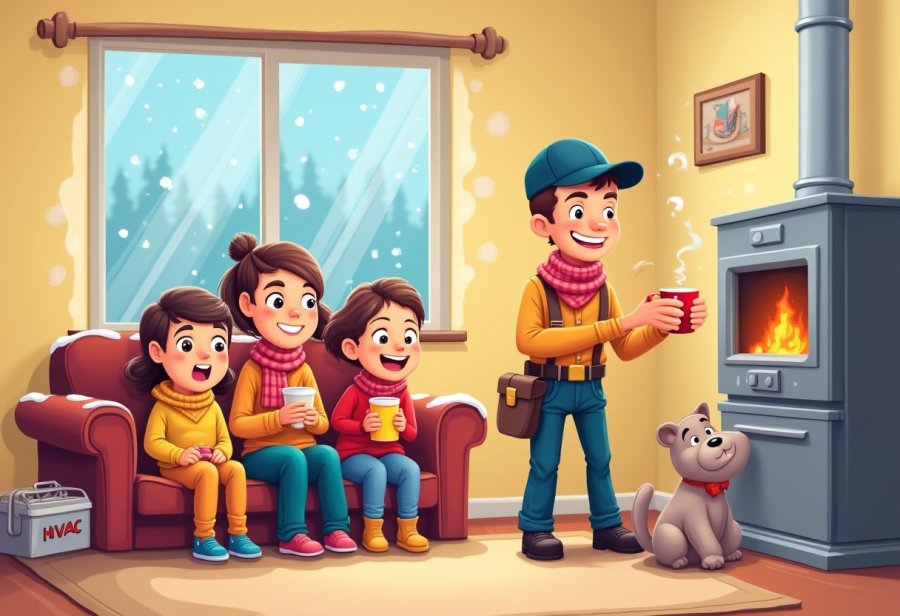
Modern HVAC services are rooted in strict industry standards designed to prioritize safety, efficiency, and long-term reliability. Organizations like the Air Conditioning Contractors of America (ACCA) and the International Mechanical Code (IMC) set comprehensive guidelines that technicians follow from installation through ongoing maintenance. These protocols help prevent hazards such as gas leaks, electrical fires, and poor indoor air quality, ensuring systems operate safely and effectively.
Adherence to these standards isn’t just about compliance—it’s about delivering quality work that endures. Technicians undergo rigorous training and certification programs to stay current with evolving safety regulations and technological innovations. This ongoing education ensures they are equipped to handle complex systems and incorporate the latest environmentally friendly practices, including the use of eco-conscious refrigerants and energy-efficient components.
Safety remains at the core of every professional HVAC service. Proper installation procedures—such as correct refrigerant handling and electrical wiring—are essential to prevent accidents or health hazards. For example, improper refrigerant charging can lead to leaks that harm the environment and compromise indoor air quality. Ensuring electrical connections are secure minimizes risks of shocks or fires. When technicians diligently follow these protocols, they protect both the occupants and the integrity of the HVAC system itself.
Efficiency standards are equally critical in guiding professional practices. Technicians optimize airflow, calibrate thermostats accurately, and verify that all components perform at peak levels. These efforts enhance comfort, reduce energy consumption, and extend the lifespan of equipment. As HVAC technology becomes more sophisticated—with smart controls and variable-speed motors—trained professionals leverage these innovations to maximize system performance and sustainability.
Readers may find additional analysis on Zat Blog from Zel Shaw in The Vital Role of Professional HVAC Maintenance in Ensuring Safety and Comfort.
Upholding current standards is an ongoing commitment that requires continuous education, certification renewal, and vigilance. HVAC professionals attend workshops, review regulatory updates, and adopt best practices to ensure their work meets or exceeds safety and efficiency benchmarks. This dedication to excellence safeguards the long-term performance of HVAC systems, supports environmental goals, and ultimately benefits property owners and occupants alike.
Pro Tips for HVAC Success: Practical Steps to Maintain and Optimize Your System
Implementing professional HVAC maintenance starts with establishing a consistent inspection routine that keeps systems operating smoothly throughout the year. Skilled technicians begin by checking filters and replacing or cleaning them as needed, since clean filters are fundamental to good airflow and indoor air quality. Moving beyond filters, they examine the coils—both evaporator and condenser—for dirt, debris, or damage, ensuring heat transfer remains efficient. These straightforward steps can dramatically boost system performance and extend its lifespan, saving money in the long run.
Electrical components also demand careful attention during routine service. Technicians tighten loose wires, test circuit integrity, and verify safety controls are functioning properly. Addressing electrical issues early prevents hazards like shorts or fires and helps maintain reliable operation. Proper electrical inspections are especially critical because even minor problems can escalate into serious safety risks if ignored, making professional oversight essential.
Refrigerant levels are another key focus during maintenance visits. Technicians check for leaks, top off refrigerants when necessary, and ensure the system runs at optimal pressure. Maintaining proper refrigerant charge enhances cooling and heating efficiency while protecting the compressor from damage. This careful management not only improves comfort but also reduces energy consumption and costly repairs down the line.
Beyond technical checks, calibration of thermostats and airflow balancing are vital to optimize comfort and energy efficiency. Accurate thermostat settings ensure the system responds correctly to temperature adjustments, while balanced airflow prevents uneven heating or cooling. These fine-tuning efforts contribute to a more consistent indoor environment and lower utility bills, demonstrating the value of professional service in maintaining peak system performance.
Scheduling routine service visits—ideally once or twice a year—is essential for catching small issues before they turn into major problems. Technicians keep detailed records of each inspection, helping to track system performance over time and identify patterns that could indicate future failures. This proactive approach minimizes unexpected breakdowns, prolongs equipment life, and guarantees safety and comfort, especially during critical periods like winter when heating issues can be urgent.
Africa's Digital Domain hosts a related piece by Harry Smith called Ensuring Winter Safety and Comfort with Professional HVAC Maintenance.
Trusting trained professionals rather than attempting DIY fixes safeguards both your system and indoor environment. Professional HVAC technicians bring the expertise to identify and resolve issues efficiently, ensuring safety, energy efficiency, and reliable operation. Their knowledge helps prevent hazards, improve indoor air quality, and keep your system running smoothly—giving peace of mind that your home or business is protected year-round.
Future Frontiers: Emerging Trends and Innovations in HVAC Technology
The future of HVAC services is poised to be more innovative and environmentally conscious than ever before. Smart technology, such as IoT-connected thermostats and automation systems, is quickly becoming standard in homes and businesses. These tools allow users to monitor and adjust indoor climates remotely, making it easier to save energy and maintain comfort. As awareness of energy conservation grows, these connected systems enable precise control, reducing waste and utility costs while boosting overall efficiency.
Alongside smart tech, advancements in eco-friendly refrigerants and energy-efficient components are reshaping industry standards. Manufacturers are increasingly adopting sustainable materials with minimal environmental impact, and service providers are integrating these greener options to meet stricter regulations. This shift not only helps combat climate change but also aligns with consumer expectations for responsible living, pushing HVAC systems toward higher performance with a lower carbon footprint.
Regulatory frameworks continue to tighten around safety and efficiency, prompting ongoing training and certification for industry professionals. Technicians now need to stay current with new refrigerants, advanced electrical systems, and improved ventilation practices. This continuous education ensures they can handle emerging technologies safely and meet evolving environmental standards, guaranteeing high-quality service that keeps pace with industry progress.
Climate change is also influencing HVAC design, leading to systems that are more resilient and adaptable. Future units will incorporate advanced materials, better insulation, and smarter controls capable of responding dynamically to changing weather patterns. This means maintaining indoor comfort during extreme conditions while optimizing energy use during milder periods. Systems will become more flexible, capable of operating efficiently across a wider range of environmental stresses.
The integration of AI and data analytics promises to revolutionize maintenance and system management. Predictive analytics will enable HVAC units to alert owners or technicians to potential issues before failures occur, minimizing downtime and safety risks. As data collection becomes more sophisticated, HVAC will evolve into smarter, more responsive networks that enhance safety, efficiency, and indoor air quality, supporting healthier living and working environments.
About the Author