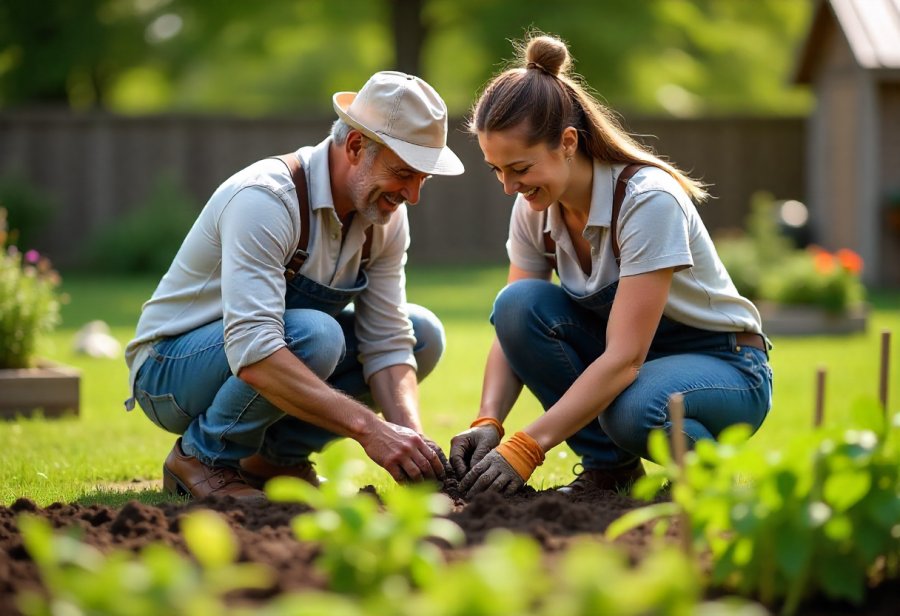
In an era dominated by screens and digital distractions, could the simple act of gardening together unlock deeper emotional bonds and promote healing? This compelling exploration reveals how collaborative outdoor activities foster patience, teamwork, and honest communication—essential components often lost in our fast-paced lives. Rooted in both scientific research and real-life stories, the narrative emphasizes that tending to a garden is more than cultivating plants; it’s about nurturing relationships, trust, and resilience. From small balcony pots to community plots, the act of planting and caring side by side reduces stress, enhances mood, and creates a space for genuine connection. As the world seeks meaningful ways to reconnect, this peaceful, tangible ritual offers a timeless pathway to strengthen bonds, reminding us that growth—like nature—takes time, effort, and shared intention. Could planting seeds be the key to rebuilding trust and understanding in our most vital relationships?
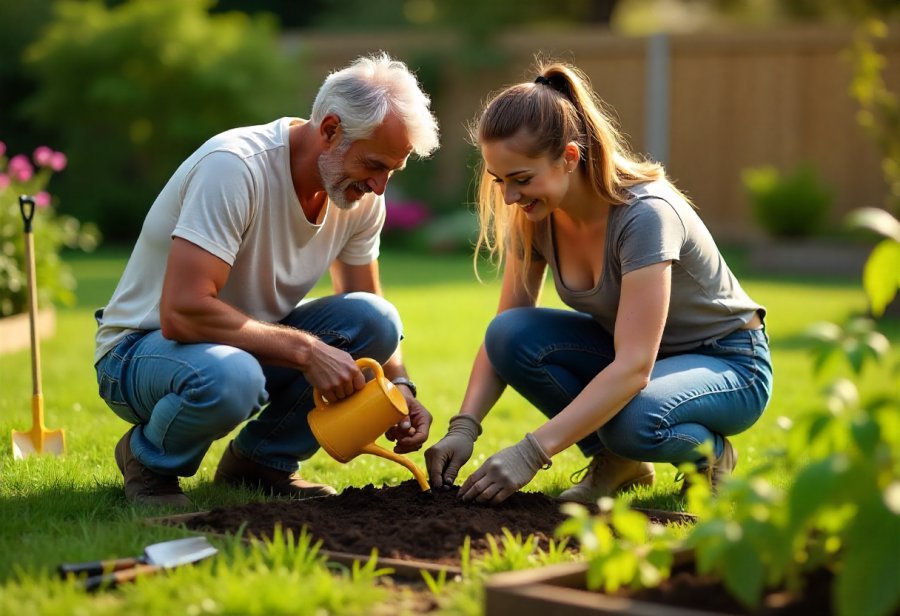
Reconnect and Heal Through Gardening: Overcoming Digital Disconnection
In today’s fast-paced digital world, it’s easy to feel like genuine connection is slipping through our fingers. Screens, notifications, and constant digital distractions often leave us yearning for real, meaningful interactions. Gardening together offers a simple yet powerful antidote to this disconnect—by encouraging us to slow down, get our hands dirty, and focus on a shared, tangible activity. These moments outside foster patience, teamwork, and honest communication—qualities that deepen bonds beyond what a quick message or social media post can achieve.
Historically, outdoor work like farming and community gardening played a vital role in strengthening relationships. In many cultures, tending the land wasn’t just about harvests; it was about collaboration, mutual reliance, and collective purpose. Festivals and planting days created natural spaces for storytelling, skill-sharing, and building trust. These shared efforts laid the groundwork for lasting social bonds that still echo today. Bringing that spirit into our own gardens reminds us that connection doesn’t have to be complicated—it can flourish in simple acts of care and cooperation.
Gardening isn’t just about nurturing plants; it’s about nurturing relationships. When we plant, water, and care for life side by side, we develop patience and empathy. These shared routines create a quiet space for conversation, free from daily stress and digital noise, allowing genuine understanding to grow. Over time, tending to a garden together becomes a living metaphor for trust—proof that growth, whether in plants or in relationships, takes time, effort, and shared attention.
Research supports the idea that outdoor activities like gardening can significantly boost emotional well-being. Spending time in nature releases mood-enhancing chemicals such as serotonin and endorphins, reducing stress and anxiety. When done with others, these benefits multiply, fostering a sense of support and connection. Whether it’s a couple working in their backyard or neighbors collaborating on a community plot, gardening becomes a gentle yet effective way to heal, connect, and build resilience.
Getting started doesn’t require a big space or fancy tools. Even a few pots on a balcony or windowsill can become a shared project. Choosing easy-to-grow plants like herbs or seasonal flowers makes it approachable, encouraging routine and ongoing effort. Dedicating regular moments to watering, weeding, or harvesting turns gardening into a meaningful ritual that strengthens bonds over time. These small acts of care, visible and tangible, serve as daily reminders of your shared journey.
In embracing gardening as a path to connection, we find a simple act with profound potential. It reminds us that patience, care, and shared effort can nurture not only plants but also the human bonds that sustain us. Through tending to soil and seedling side by side, we cultivate trust, resilience, and healing—one garden, one relationship at a time.
The Roots of Connection: How Gardening Boosts Emotional Well-Being
Gardening isn’t just about planting and watering; it’s a natural catalyst for emotional well-being and relationship growth. When we step outside and engage with nature, our bodies release chemicals like serotonin and endorphins that elevate mood and reduce stress, creating an immediate sense of calm. Sharing these outdoor moments transforms a simple activity into a genuine space for connection, where patience, cooperation, and trust can flourish without the distractions of daily life.
This activity also acts as a gentle form of emotional therapy. The repetitive, mindful acts of digging, planting, and watering help lower anxiety and promote mental clarity. When done together, these routines foster teamwork and shared purpose, strengthening emotional bonds that extend well beyond the garden. Watching a garden thrive through mutual effort becomes a living symbol of trust—showing that growth, whether in plants or relationships, requires time, care, and patience.
Gardening naturally sparks conversations and cooperation. As you prune, harvest, or tend to your plants, it becomes easier to open up and connect authentically. Tasks like weeding or watering demand teamwork, encouraging trust and a sense of mutual achievement. Over time, these shared moments build a deeper understanding and empathy, turning routine gardening chores into meaningful rituals that nurture bonds and foster emotional resilience.
Research supports these observations, revealing that outdoor activities like gardening significantly reduce cortisol levels—the hormone linked to stress—and boost mood-enhancing chemicals. Studies show that couples working together in a garden often report feeling closer and more satisfied with their relationship after their shared effort. The physical act of nurturing plants keeps us present and mindful, helping to manage anxiety while reinforcing feelings of support and connection.
The beauty of gardening lies in its accessibility. Even with limited space—like a balcony or windowsill—you can create a shared project by growing herbs or seasonal flowers. These small, manageable goals provide quick wins that motivate ongoing participation and routine. Watching plants grow and flourish serves as a tangible reminder of your joint effort, reinforcing the trust and patience that underpin strong relationships.
In essence, gardening becomes a simple yet powerful way to nurture both life and human connection. It teaches patience, encourages teamwork, and fosters resilience—all through the act of caring for something alive side by side. As soil turns to sprout and relationships deepen, the act of tending a garden reminds us that growth takes time and shared effort, ultimately cultivating bonds as nourishing as the plants themselves.
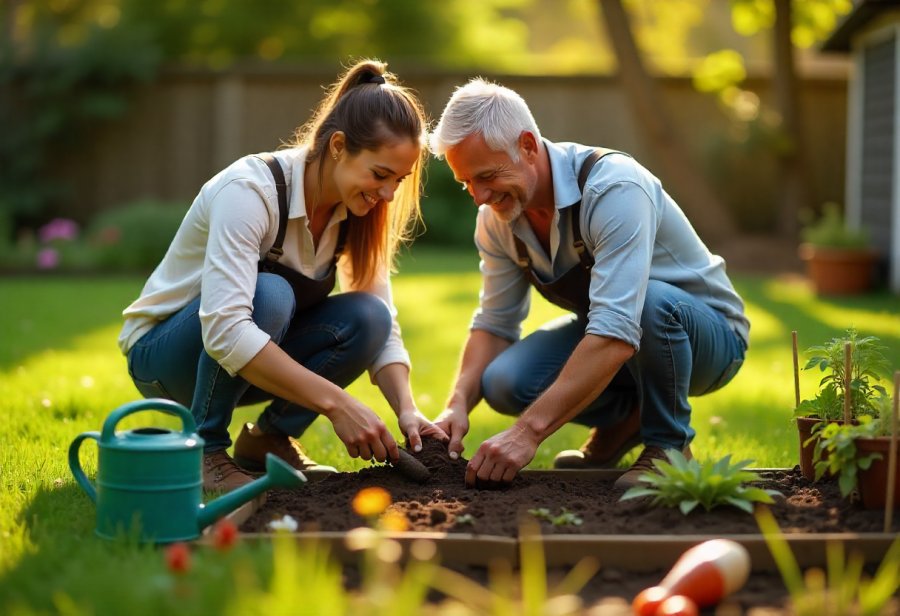
Proof in Practice: Research and Real Stories of Gardening’s Transformative Power
Research consistently shows that gardening together can significantly strengthen emotional bonds and reduce stress. Numerous studies demonstrate that spending time outdoors tending plants lowers cortisol levels—the hormone linked to stress—and boosts mood-enhancing chemicals like serotonin and endorphins. For instance, a 2018 study published in the *Journal of Environmental Psychology* found that couples working on a shared garden reported feeling closer and more satisfied with their relationship afterward. These findings aren’t just numbers; they reflect real emotional shifts that happen when people connect through nature.
Personal stories further illustrate this point. Families and couples who start a garden together often notice a renewed sense of trust and communication. One couple shared how planting vegetables side by side helped rebuild patience and teamwork that had waned during stressful periods. Community gardens also serve as vital spaces where neighbors come together, forge new friendships, and strengthen existing bonds. These stories highlight that tending to plants isn’t just about growth in the garden—it’s about growth in the heart.
Scientific research backs up these anecdotal accounts. Studies from *Environmental Science & Technology* reveal that even brief exposure to green spaces can lower cortisol and improve mental clarity. The physical acts of planting, watering, and nurturing focus attention, reduce anxiety, and foster mindfulness. When shared, these routines amplify feelings of support and connection, transforming gardening into a powerful tool for emotional healing. The tangible progress of a thriving garden becomes a daily reminder of shared effort, patience, and trust.
More practical examples demonstrate how gardening facilitates relationship building. Couples planting a garden often find that it encourages open dialogue and patience, helping them reconnect after challenging times. Families working together in flower beds or vegetable patches report a sense of pride and teamwork that deepens bonds. Urban gardening initiatives and community projects extend this impact, creating social ties that go beyond the garden itself. These examples prove that even small, shared efforts in nature can lead to lasting emotional rewards.
The evidence is clear: gardening together offers a meaningful way to nurture both plants and human connections. Scientific studies combined with real-life stories show that tending to a garden isn’t just about cultivating crops—it’s about cultivating trust, resilience, and emotional well-being. As awareness grows, more people are discovering that simple outdoor activities can serve as accessible, effective paths to healing and strengthening relationships.
Getting Started: Practical Ways to Cultivate Bonds Through Shared Gardening
Starting shared gardening doesn’t need to be complicated or expensive. A small balcony or windowsill can become a vibrant garden with just a few pots of herbs or colorful flowers. Focus on simple, low-maintenance plants like basil, mint, or marigolds to make the process approachable. Setting aside a specific time each week for watering or planting creates a routine that encourages ongoing collaboration. These regular moments turn gardening into a shared ritual, making it easier to build teamwork, patience, and trust over time.
Community gardens are another excellent option, especially for those with limited outdoor space. These shared plots foster cooperation and provide opportunities to learn from others. Participating in local workshops or volunteer days can boost confidence and make gardening less intimidating. Working side by side with neighbors in these spaces strengthens social ties and transforms a solitary activity into a meaningful group effort. This shared experience not only nurtures plants but also builds a sense of community and belonging.
For newcomers, starting with manageable goals like planting herbs or seasonal flowers makes the process feel less overwhelming. Quick wins, such as seeing sprouts emerge or blooms open, provide visible progress that motivates continued effort. These small successes reinforce a sense of accomplishment and encourage regular involvement. As the garden flourishes, it becomes a living symbol of your joint effort, patience, and care—deepening your connection with each passing season.
Dedicating even a few minutes weekly to tasks like watering, weeding, or harvesting can develop into a peaceful, meaningful routine. These simple acts foster mindfulness and patience, offering a calming break from daily stresses. They also create natural opportunities for conversation—about life, plans, or shared memories—strengthening trust and understanding. Over time, these small shared moments grow into a foundation for deeper emotional bonds.
You don’t need special skills or fancy equipment to get started. Plenty of online tutorials, local classes, and gardening groups are available to guide beginners. The goal is to enjoy the process and learn together, rather than aiming for perfection or quick results. Keeping it fun and curious makes gardening inviting and sustainable—a space where relationships can flourish alongside plants.
Indoor gardening options, like herb gardens on kitchen windowsills or small container setups, work just as well. They’re accessible solutions for those with limited outdoor space or busy schedules. The key is to find what fits your lifestyle and make it a regular part of your routine. Nurturing life together—whether in soil or in shared routines—fosters emotional connection, patience, and mutual support. Over time, these small, consistent acts create a nurturing environment for relationships to grow, rooted in care and shared effort.
Growing Together: Embracing Gardening as a Path to Lasting Relationships and Healing
Gardening together offers more than just cultivating plants; it opens a pathway to strengthening emotional bonds and fostering healing. The growing body of research and countless personal stories show that shared outdoor activities can lower stress, boost mood, and improve communication. When people tend to life side by side, they nurture trust, patience, and understanding—foundations that support resilient relationships. Tending a garden becomes a living reminder that growth, whether in plants or in human connections, takes time, effort, and shared attention.
Looking ahead, encouraging more people to embrace gardening as a tool for connection could transform communities and relationships alike. Whether through small balcony pots or larger shared plots, the act of planting and caring together creates a space for patience, teamwork, and emotional renewal. It’s a gentle reminder that meaningful connection doesn’t require high-tech gadgets or elaborate setups—sometimes, it’s as simple as digging in the dirt side by side. Making gardening a regular habit can lay the groundwork for trust and love that withstands life’s stresses and uncertainties.
The healing power of nature in nurturing relationships is clear and powerful. As more individuals discover the benefits of outdoor, shared activities, we may see a shift toward more mindful, caring interactions. Gardening becomes an accessible, everyday act that encourages emotional resilience and offers comfort amid challenges. It teaches patience, compassion, and attentiveness—qualities that help us face difficulties and rebuild trust when needed. In this way, tending a garden becomes more than a pastime; it becomes a metaphor for nurturing the human spirit.
Seeds—whether in soil or in relationships—grow slowly but surely with consistent care. Each act of nurturing, each shared moment in the garden, contributes to a broader culture of connection and understanding. These small efforts, rooted in patience and kindness, can ripple outward, enriching lives and strengthening bonds in ways that last. It’s about showing up, being present, and tending to what matters most—relationships and life itself—one gentle step at a time.
As we look to the future, embracing gardening as a way to forge deeper bonds offers a simple yet profound path toward healing and resilience. In a world that often feels fragmented, these acts of care remind us of the importance of patience, support, and shared purpose. By cultivating life together, we nurture not only plants but also the trust and compassion that sustain us through difficult times. The quiet rhythm of tending a garden can become a steady anchor in our lives, shaping a more connected, empathetic world.
In the end, planting seeds—literally and figuratively—speaks to our innate desire for growth and connection. It’s about more than the act itself; it’s about what it cultivates in us—trust, patience, love, and the hope for a more resilient future. Every garden we tend, whether in soil or in our relationships, reminds us that true growth is a journey, built step by step, with care and intention. As we nurture these bonds, we help create a world where healing and connection flourish naturally, rooted in the simple act of caring together.
About the Author