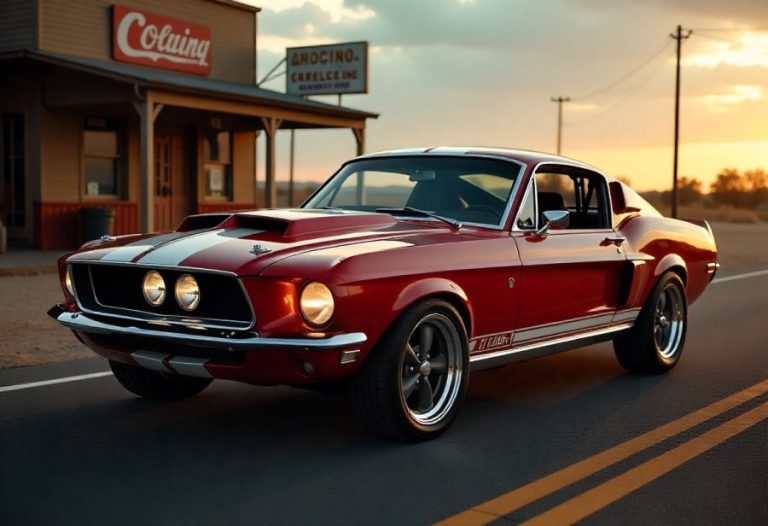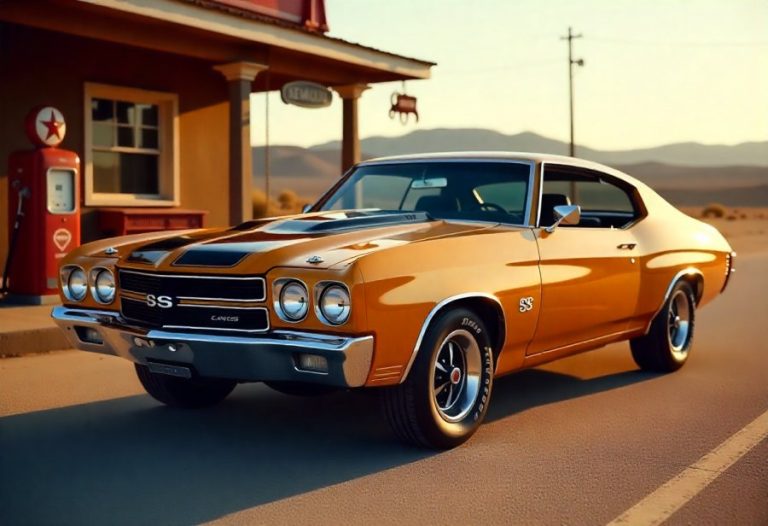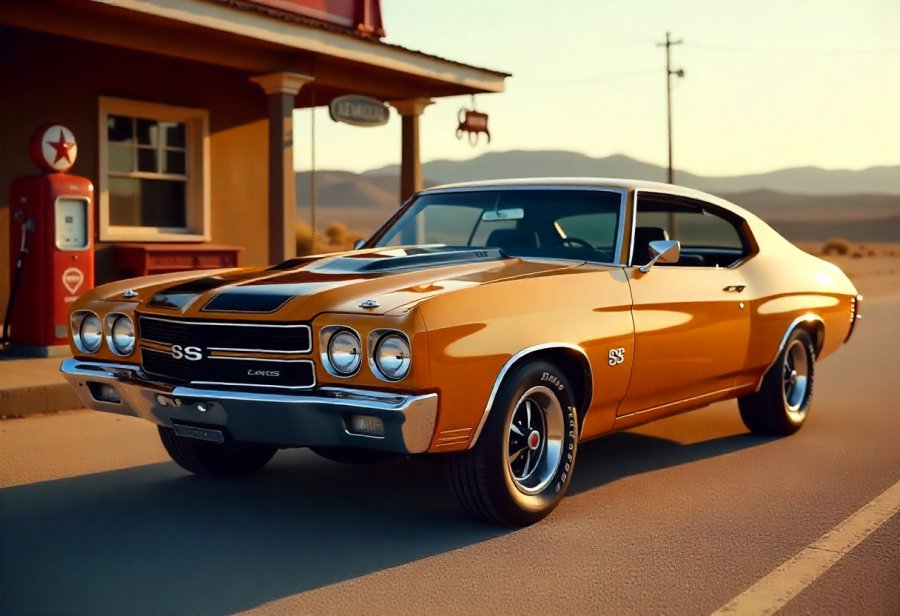
Step back into the roaring heart of American muscle car history with the 1970s Chevrolet SS, a symbol of raw power, bold styling, and rebellious spirit. These cars weren’t just machines; they were rolling icons that defined an era—embodying speed, attitude, and innovation. From the menacing Chevelle SS 454 to the sleek Camaro SS, each model showcased thunderous V8 engines, aggressive designs, and vibrant colors that commanded attention. But what makes these vintage icons endure today? Their legacy continues to influence modern muscle cars, blending authentic charm with contemporary technology—upgraded suspensions, safety features, and even electric powertrains. As the past revives into the future, these cars embody a daring attitude that refuses to fade, inspiring enthusiasts and automakers alike. Will tomorrow’s muscle cars honor that rebellious swagger while embracing innovation? The answer lies in the ongoing evolution of power, style, and American performance.
The 1970s Chevrolet SS: An Icon of American Muscle and Rebellion
The 1970s Chevrolet SS stands as a vivid symbol of American muscle car culture, embodying the boldness and rebellious spirit of its era. These cars weren’t just transportation; they were rolling expressions of freedom, attitude, and raw performance. Their striking design and powerful engines made them icons that continue to turn heads today. For enthusiasts, the Chevrolet SS of this decade evokes a deep sense of nostalgia—reminding us of a time when horsepower was king and cars were built to make a statement before even hitting the road.
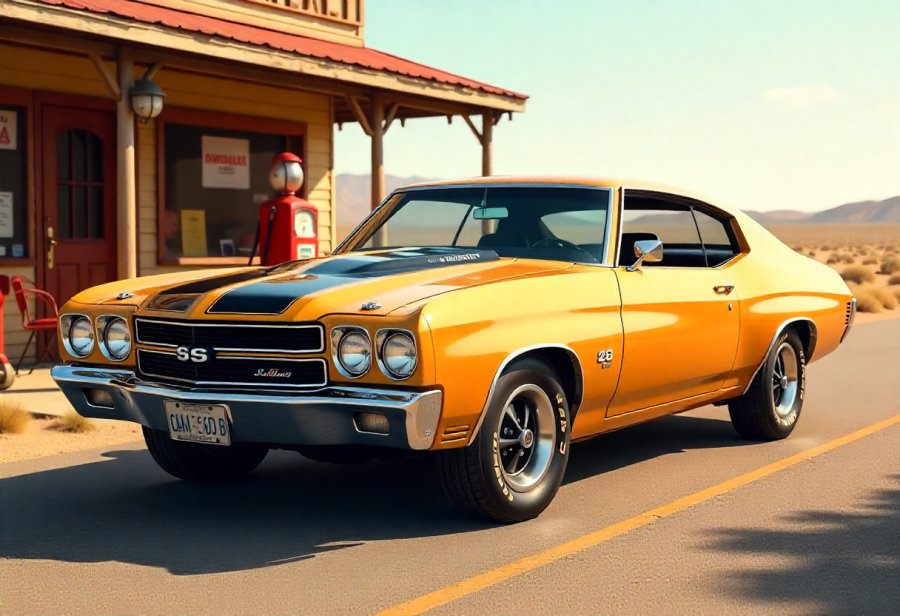
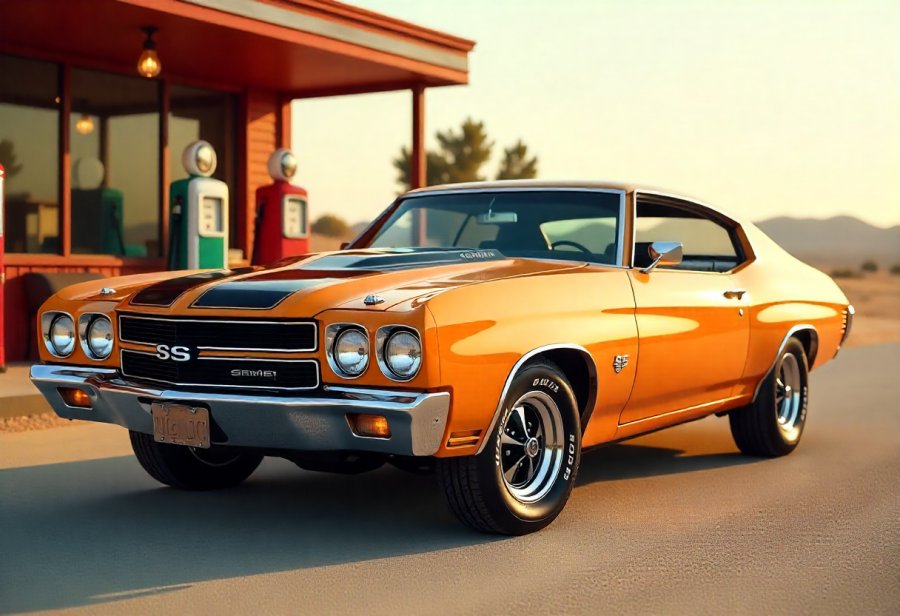
During this period, models like the Chevelle SS 454 and Camaro SS became legendary. The Chevelle SS 454, with its massive 454-cubic-inch engine, was a beast capable of delivering extraordinary horsepower, making it a favorite among drag racers and street performance fans alike. Its wide stance, racing stripes, and vibrant colors like Hugger Orange signaled power and speed. Meanwhile, the Camaro SS offered a sleeker, more aerodynamic profile, blending handling agility with a roaring V8 under the hood. Both models captured the essence of muscle cars: commanding presence paired with relentless performance.
Design-wise, these cars were crafted to grab attention. Muscular lines, bold grilles, and eye-catching paint schemes created an unmistakable look that shouted speed and attitude. Chrome accents and vintage badges added a touch of classic charm, while details like hood scoops and racing stripes paid tribute to their racing roots. Every element was designed not just to impress but to evoke a feeling of adrenaline and excitement, even when parked.
Beyond their visual impact, the Chevrolet SS of the 1970s reflected advanced engineering for their time. Big-block V8 engines, lightweight chassis, and performance-focused features made them exhilarating to drive. Built to dominate both street and strip, these cars earned a reputation as true horsepower legends. Their blend of style and substance helped cement their place in automotive history, inspiring enthusiasts and designers for generations.
Today, restoring a Chevrolet SS from this era isn’t just about fixing a vintage vehicle; it’s about preserving a piece of American automotive history. Owners often seek to maintain authenticity, sourcing original parts or carefully reproducing signature features like racing stripes, badges, and paint colors. Many incorporate modern upgrades for safety and handling, creating a perfect balance between vintage charm and everyday usability. These cars remain a testament to an era when raw power and daring style ruled the roads.
Design Philosophy and Roots of the Chevrolet SS: Power and Style Merged
The Chevrolet SS of the 1970s didn’t just materialize out of thin air; it was the product of deliberate design choices rooted in a desire to combine power with eye-catching style. During this era, muscle cars evolved from simple transportation into symbols of American ingenuity and rebellion. Their bold, muscular lines, aggressive stances, and distinctive details weren’t accidental—they were crafted to announce presence before even moving.
Engineers of the time focused on creating vehicles that looked fast and performed even better. Large V8 engines, lightweight chassis components, and performance-oriented features came together to deliver exhilarating driving experiences. The big-block V8s, particularly, became the heartbeat of these cars, promising immense torque and horsepower that could dominate streets and drag strips alike. Every curve, grille, and badge was designed to communicate strength and speed, capturing the very spirit of performance.
The roots of the Chevrolet SS trace back to a broader muscle car movement that defined the decade. Chevrolet aimed to produce models that appealed to enthusiasts craving both high speed and bold aesthetics. The Chevelle SS 454, with its intimidating 454-cubic-inch engine, was a powerhouse capable of producing up to 450 horsepower, making it a favorite for racing and street performance. Meanwhile, the Camaro SS balanced agility with raw power, offering a sleek, aerodynamic silhouette complemented by a thunderous V8.
Design-wise, these cars embodied the quintessential muscle car look—wide wheel arches, low profiles, and aggressive front grilles. Bright colors like Hugger Orange and Rally Green, paired with chrome accents, made each vehicle stand out. Racing stripes and hood scoops paid homage to their racing roots, reinforcing the sense of movement and speed even when parked. Every detail was chosen to evoke excitement and a sense of rebellion.
What set these vehicles apart was their seamless integration of performance technology with bold styling. Heavy-duty suspensions, performance brakes, and lightweight materials enhanced handling and safety without sacrificing their visual impact. Each element reflected a commitment to pushing boundaries, creating cars that were not just beautiful but also exhilarating to drive.
These principles of power and style weren’t accidental; they defined the essence of the muscle car era. Chevrolet’s focus was on producing vehicles that made a statement—cars that commanded attention and delivered thrills. Their design philosophy celebrated strength and speed, capturing the rebellious spirit of the 1970s and fueling a culture centered on performance and attitude.
The origins and design of the Chevrolet SS highlight a clear purpose: to craft vehicles that embodied daring, innovation, and American muscle. These cars weren’t just about horsepower—they were about making a statement on wheels. Their bold aesthetics and engineering excellence continue to inspire enthusiasts today, ensuring that the legacy of this iconic era remains alive and influential in the automotive world.
Legacy in Motion: How the 1970s Chevrolet SS Inspires Modern Muscle Cars
The legacy of the 1970s Chevrolet SS continues to cast a powerful influence over today’s muscle car culture. These iconic models serve as both nostalgic touchstones and sources of inspiration, with modern enthusiasts and manufacturers alike drawing upon their bold aesthetics and raw performance to shape new designs. Restored classics like the Chevelle SS 454 and Camaro SS remain highly sought after, symbolizing an era when American horsepower reigned supreme and attitude was everything. Their thunderous engines and standout styling continue to ignite passion, fueling a community dedicated to preserving and celebrating this legendary chapter of automotive history.
This influence extends beyond mere admiration. Many builders and collectors focus on authenticity, sourcing period-correct parts and recreating signature details like racing stripes, bright colors, and vintage badges. At the same time, they incorporate modern upgrades—such as advanced suspensions, fuel injection, and modern braking systems—to enhance safety, reliability, and drivability. This careful blend of vintage looks and modern technology allows enthusiasts to enjoy the spirit of the muscle car era while making their vehicles more practical for daily driving.
The cultural significance of these cars remains fierce. They symbolize more than just speed—they embody a rebellious attitude, a love of freedom, and a passion for performance that defined a generation. Car shows, muscle car festivals, and online communities serve as hubs for sharing stories, restoration tips, and inspiration. These platforms foster a sense of camaraderie that keeps the muscle car culture vibrant, ensuring that the rebellious swagger of the ’70s continues to resonate across generations.
Automakers also take note of this enduring legacy. Many now design retro-inspired models that nod to the classic muscle cars but with contemporary touches. These vehicles often feature sleek, aerodynamic lines, lightweight materials, and smart technology, blending old-school charm with new-age performance. The challenge lies in honoring the original’s bold visual and auditory identity while meeting today’s standards for safety, efficiency, and comfort. The result is a new generation of muscle cars that feel familiar yet forward-looking.
For owners and fans, the ongoing influence of the Chevrolet SS means more than just keeping vintage cars on the road. It’s about embodying the daring spirit, craftsmanship, and attitude that made these cars legends. Every restored or modernized model acts as a rolling tribute—a link from the golden age of horsepower to the future of American muscle. This seamless connection ensures that the roar of the past continues to inspire excitement and innovation in the present and beyond.
Preserving the Past: How to Appreciate and Emulate the Classic Muscle Car Spirit
Embracing the legacy of the 1970s Chevrolet SS means actively preserving and experiencing the true muscle car spirit. Restoring one of these classics isn’t just about fixing a vintage vehicle; it’s about reviving a piece of American automotive history. Start by prioritizing authenticity—sourcing original parts and recreating iconic features like racing stripes, badges, and period-correct paint schemes such as Hugger Orange. These elements aren’t just cosmetic; they carry the soul of what made these cars legendary.
Maintaining a vintage muscle car also involves caring for its mechanical core. Restorers often focus on the engine, rebuilding or replacing worn parts to preserve that unmistakable roar and performance. Upgrading components like modern suspensions and brakes can improve safety and handling, making the car more enjoyable to drive without sacrificing its vintage charm. These careful enhancements allow enthusiasts to enjoy the thrill of a classic while ensuring reliability for everyday use.
Personalization offers another way to connect with these vehicles. Small visual upgrades such as custom wheels or interior accents can reflect your style while respecting the car’s original character. Balancing authenticity with modern comfort creates a driving experience that’s both nostalgic and practical. Documenting each step of your restoration or modification helps tell your car’s story, forging a personal legacy that honors its history.
Joining dedicated clubs and online communities amplifies your efforts. Sharing tips, experiences, and photos keeps the muscle car culture vibrant and connected. These networks provide invaluable support for sourcing rare parts, learning authentic restoration techniques, and celebrating milestones. Attending car shows and muscle car festivals offers opportunities to showcase your work, exchange ideas, and deepen your appreciation for the era’s craftsmanship.
Restoring a Chevrolet SS is more than a technical project; it’s a cultural act. Each effort to preserve the authenticity of these cars helps keep alive the rebellious attitude, bold styling, and engineering excellence that defined the muscle car era. Every restored or personalized model becomes a moving tribute, linking past achievements to present passion and future innovation.
Modern upgrades can enhance safety and comfort without sacrificing the vintage aesthetic. Upgrading brakes, installing modern suspensions, or adding fuel injection can transform a static showpiece into a lively, drivable tribute. Careful documentation of these modifications ensures that the story behind your car remains intact, reinforcing its role as both a piece of history and a personal masterpiece.
Applying the muscle car heritage involves embodying the attitude and craftsmanship that made these vehicles symbols of American performance. It’s about more than restoration—it’s about living the spirit of rebellion, speed, and style. Sharing your journey inspires others to appreciate and preserve these icons, passing on the legacy to new generations eager to experience that raw power firsthand.
Revving Into the Future: Trends and Innovations in American Muscle Cars
The future of American muscle cars is poised for an exciting transformation, blending the raw power of the past with cutting-edge technology. Electric drivetrains are leading the charge, promising models that deliver lightning-fast acceleration and the signature roar fans love—without the emissions. Automakers are experimenting with dual-motor setups and advanced battery systems designed to produce performance that rivals or even exceeds classic V8s, reshaping what muscle cars can be in a sustainable age.
Design-wise, the influence of vintage muscle cars remains strong, with sleek, retro-inspired lines making a comeback. Modern materials like carbon fiber help reduce weight, improving agility and responsiveness. These updates aren’t just aesthetic; they translate into vehicles that handle better, respond faster, and look bolder than ever, all while paying homage to the iconic shapes of the 1970s.
Technology integration is becoming a defining feature of upcoming muscle cars. Drivers will have access to customizable driving modes, performance dashboards, and real-time analytics that enhance engagement and control. Advanced safety systems, including adaptive cruise control and collision avoidance, make these powerful machines safer and more practical for daily use, broadening their appeal beyond the traditional enthusiast market.
The challenge of maintaining the legendary sound and attitude of classic muscle cars in an emissions-conscious world is being addressed through innovative solutions. Hybrid models that combine electric power with authentic engine sounds are emerging, offering a compromise that preserves the rebellious spirit while meeting modern standards. Fully electric models are also being developed to deliver instant torque and exhilarating speed, redefining performance in a new era.
Automakers and enthusiasts are working together to push the boundaries of what muscle cars can be. Industry events, online communities, and design labs foster collaboration, inspiring new concepts that honor tradition while embracing innovation. Lightweight materials, smart tech, and electrification are not mutually exclusive—they’re integrated to create vehicles that excite both the heart and the mind.
This evolution doesn’t mean the end of the roaring engine or the aggressive styling; instead, it’s a reinvention rooted in respect for the past. Future muscle cars will continue to embody rebellion and performance but with a focus on efficiency, safety, and sustainability. They will roar into the next chapter, carrying forward the legacy of American horsepower while adapting to the demands of a changing world.
Ultimately, the future of muscle cars is about balance—marrying the visceral thrill of horsepower with the benefits of modern engineering. This ongoing transformation ensures that the spirit of speed, attitude, and innovation remains alive and relevant. As new models emerge, they will prove that muscle cars can be both bold icons of rebellion and forward-thinking machines, ready to inspire generations to come.
About the Author