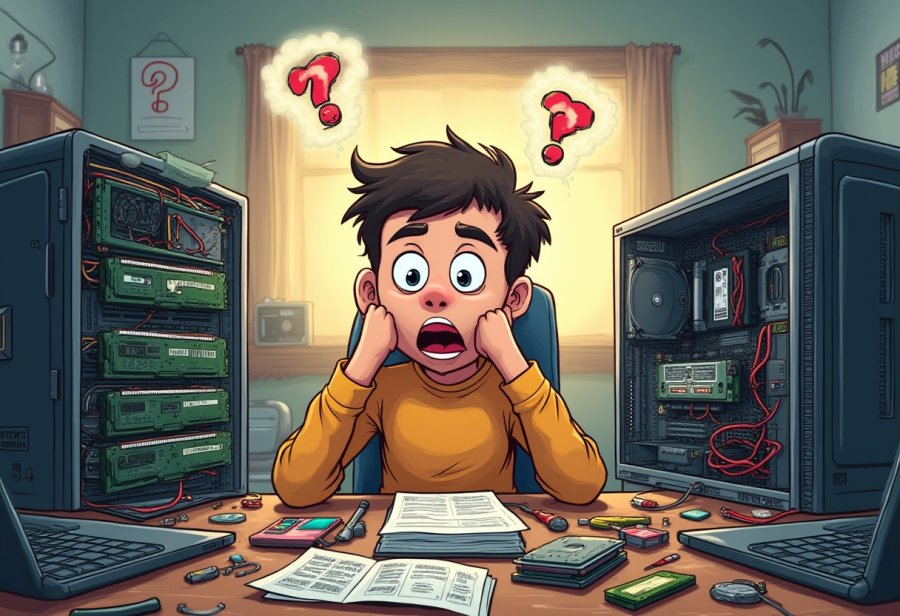
Embark on a hilarious yet relatable journey through the chaos of DIY computer upgrades, where tangled cables, missing screws, and stubborn hardware turn a simple task into a comical adventure. Despite promises of faster performance, many discover that upgrading involves more patience, problem-solving, and unexpected mishaps than anticipated. From deciphering cryptic manuals to managing a spaghetti-like maze of wires, each step teaches resilience and humor. The frustration of troubleshooting glitches, finding hidden screws, and battling compatibility issues becomes part of the learning process, transforming setbacks into stories of triumph. Could the chaos actually be part of the charm? As technology advances, future upgrades are poised to become easier and more user-friendly, but the essence of DIY—patience, ingenuity, and a sense of humor—remains unchanged. Are you ready to turn hardware hurdles into opportunities for growth, one tangled wire at a time?

Embrace the Chaos: The Hilarious Realities of DIY Tech Upgrades
Upgrading your computer might sound like a straightforward task—just swap out a part, power it up, and enjoy faster performance. But anyone who’s actually tried it knows it’s rarely that simple. Instead, it quickly turns into a chaotic adventure, full of tangled cables, missing screws, and moments of “Did I do that right?” It’s easy to picture the scene: you’re armed with a screwdriver, a handful of spare parts, and a vague sense of confidence, ready to give your old machine a quick facelift.
What follows is often a cluttered desk, a jumble of wires that look more like spaghetti than organized wiring, and a growing suspicion that you might have bitten off more than you can chew. As soon as you open the case, the chaos begins. You’re faced with a maze of components and connectors that seem to have a mind of their own. Screws mysteriously vanish, probably hiding under your keyboard or lost in the depths of your desk, while some parts stubbornly refuse to fit.
Fumbling through this mess, you might knock over a drink, send a cable flying across the room, or get your fingers caught in a tangle of wires. It’s a scene that’s both frustrating and hilarious, especially when you realize that what was supposed to be a quick upgrade has turned into a hardware scavenger hunt. Manuals and tutorials often seem in a foreign language or written in code only tech nerds understand, leaving you to decipher diagrams and search for tiny labels.
The process of installing new hardware feels like playing hardware Tetris—trying to fit a bulky graphics card into a cramped case without knocking over nearby cables. Connecting everything again can be like a game of “where does this go?”—especially with tangled wires that look more like spaghetti than organized wiring. Sometimes, a forgotten cable or a loose connection causes the system to refuse to boot, turning what should be a simple project into hours of troubleshooting.
Despite the chaos, there’s a weird sense of satisfaction in each successful connection and every screw that finally finds its place. These moments remind us that DIY upgrades are as much about learning as they are about performance. Rushing through often leads to mistakes, but taking your time makes the process more manageable—and even fun. If you embrace the chaos, you might find yourself laughing at the absurdity of it all, because few things are as funny as a pile of tangled cables and a stubborn system that just won’t turn on.
Mastering the Basics: Understanding the Upgrade Process
When you decide to upgrade your computer, it might seem straightforward: turn off the machine, open the case, swap out the old parts, and close everything up again. But in reality, each step can bring unexpected challenges that turn a simple task into a mini adventure. It starts with shutting down properly, making sure all programs are closed, and unplugging the power cord to avoid any static or electrical mishaps. This safety step is quick but crucial, setting the stage for a smooth process.
Next, you need to disconnect all cables—power, data, and any other connections—carefully removing them without yanking or damaging. Cables often become tangled or glued in place over time, turning this step into a puzzle of its own. Keeping track of which cable goes where is essential; a quick photo or label can save hours later. Once the inside of the case is accessible, you’re faced with a cluttered environment of tiny screws, circuit boards, and connectors. Removing old hardware usually isn’t complicated, but stubborn screws or tight fits can slow you down.
Identifying the right components to upgrade takes some research—checking compatibility, reading manuals, or watching tutorials. This prep helps avoid buying parts that don’t fit or work with your system, which would only add to the chaos. Installing new hardware then becomes a test of patience—fitting a graphics card into a cramped PCIe slot or inserting RAM sticks without knocking other components over. Cables might need to be rerouted or adjusted, often requiring a gentle, steady hand.
After the hardware is in place, reconnecting everything can feel like a game of “where does this go?” It’s easy to forget a power cable or leave a connector loose, and these small oversights lead to startup issues. Double-checking each connection before closing the case is a step many skip in their hurry, but it’s worth the effort. When you hit the power button, hope and anxiety collide—sometimes it boots up perfectly, other times it emits beeps or shows errors.
Troubleshooting then begins: reseating components, verifying BIOS settings, or rechecking cables. Often, the culprit is a simple loose connection that’s easy to overlook. Patience and a methodical approach turn these setbacks into manageable puzzles rather than frustrations. Once everything clicks into place and the system finally powers on, the satisfaction of a successful upgrade makes all the chaos worthwhile.
This process might always include a bit of mess and unpredictability, but that’s part of the experience. Each step, mistake, and fix builds your skills and confidence, transforming chaos into a learning opportunity. The more you upgrade, the more you realize that patience, organization, and a sense of humor are your best tools. In the end, every successful component swap adds to your story—and your mastery of the art of DIY tech upgrades.

Laughter in the Lab: The Comedy of DIY Computer Overhauls
Upgrading a computer often feels more like starring in a slapstick comedy than executing a straightforward tech task. Just when you think you’re on the verge of victory, the scene shifts to tangled cables, stubborn screws, and unexpected mishaps that make you question if you’ve wandered onto the set of a hardware sitcom. Many DIYers have battled an ever-growing spaghetti mess of wires, trying to slot a bulky new graphics card into a cramped case, only to find themselves tangled in knots or searching for that elusive screw that vanished into the abyss. It’s a dance of patience and frustration, where every step forward seems to invite a new obstacle.
Support stories from fellow enthusiasts highlight just how hilarious—and humbling—these moments can be. One person spends hours installing RAM, only to discover it wasn’t fully seated, causing the entire system to refuse to start. The real kicker? The tiny screw that slipped into a recess and disappeared for weeks, only to be found during a thorough cleanup. These stories become legendary, shared in forums and among friends, reminding everyone that even seasoned DIYers trip over the smallest details. It’s part of the charm and challenge of the process.
Hardware conflicts add another layer of comedy. Imagine plugging in a shiny new graphics card, only for the system to beep endlessly or refuse to turn on. The culprit is often a loose power cable or an unseated connection, but tracking down the issue can take hours of frustrated guesswork. Watching a system display cryptic error messages or fail to recognize hardware feels like a game of “what did I forget this time?”—a ritual of frustration that many can relate to, often ending in laughter at the unpredictability of it all.
Cable management is another recurring source of amusement—and chaos. Many spend more time untangling and reorganizing wires than actually installing new parts. It’s like trying to solve a hardware Rubik’s Cube, where each cable needs to be just right, but fussing with it only creates more knots. Sometimes, the chaos becomes so overwhelming that the only solution is to start fresh, armed with zip ties and a new dose of patience. These moments serve as a reminder that tidy cables aren’t just about looks—they prevent the spaghetti disaster from taking over.
And of course, there are the classic “missing screw” moments. Countless DIYers have spent what feels like an eternity fishing around with magnets or flashlights, only to find the tiny part hiding in the most obscure corner. That little screw becomes a symbol of all the small things that go wrong, turning into a humorous scavenger hunt that tests patience and ingenuity. These minor disasters are universal in the DIY world and often become stories shared with a good laugh.
Even when the system finally powers on, it’s often accompanied by a comedy of errors—beep codes, error messages, or unrecognized hardware. These moments turn troubleshooting into a detective game: retracing your steps, reseating parts, or reconnecting cables until everything aligns. Sometimes, the fix is as simple as a loose connector, but the process can feel like trying to solve a mystery with no clear clues. Yet, once everything clicks and the system runs smoothly, the feeling of triumph makes all the chaos worthwhile.
Despite all the chaos and setbacks, these moments of mishap are what give DIY upgrades their charm. They’re the stories you’ll laugh about later, the lessons that build patience, and the badges of honor that prove you’re learning every step of the way. Each mistake, each unexpected obstacle, becomes part of the journey—turning frustration into humor and confusion into confidence. Because in the end, the real reward isn’t just a faster PC; it’s the resilience and stories gained along the way.
Smart Strategies: Practical Tips to Minimize Mess and Maximize Fun
Approaching a DIY computer upgrade with a bit of planning can turn what might be chaos into an enjoyable project. Start by double-checking that your new parts are compatible with your existing system—reading reviews or watching quick tutorials can save you from surprises later. Making a simple checklist of tools and components before you begin helps keep everything organized and prevents you from missing screws or cables in the rush. A tidy workspace is your best friend: clear clutter, lay out your parts, and work in good lighting. This setup not only makes the process smoother but also reduces the risk of accidental slips or knocking over components.
Patience is key. Rushing through an upgrade often leads to mistakes like forcing incompatible parts or overlooking a loose cable. Take your time with each step—removing old hardware, installing new components, and reconnecting cables. If something doesn’t seem to fit or feel right, pause and troubleshoot calmly instead of forcing it. A quick online search or a glance at instructions can clear up confusion and save hours of frustration. Double-check every connection before closing the case—this small step can prevent many startup issues caused by overlooked cables or loose screws.
Learning to accept small mistakes makes the process less stressful. Every hiccup is a chance to learn something new—whether it’s ensuring RAM is fully seated or organizing cables in a way that makes future upgrades easier. Celebrate small wins, like successfully installing a new component or neatly managing your cables. These moments boost confidence and turn frustration into fun. Remember, each project is a step forward, building your skills and making future upgrades even smoother.
Staying organized and working slowly helps minimize chaos. Keep tools within reach and work in a well-lit, spacious area. It’s tempting to rush, but taking your time reduces errors and prevents accidental damage. If you encounter a problem, stay calm and methodically troubleshoot—most issues are simple oversights, like a disconnected cable or a loose screw. Patience and a clear mind turn potential setbacks into learning moments, making the process more rewarding and less overwhelming.
Finally, celebrate your progress, no matter how small. Whether you’ve upgraded a component without a hitch or just untangled a stubborn cable, each success adds to your confidence. Every project teaches patience, attention to detail, and resilience. By preparing well, staying patient, and maintaining a sense of humor, you turn what could be a stressful chaos into a fun, rewarding adventure. These lessons will serve you well in future upgrades, making each new build or repair a little easier and a lot more satisfying.
Looking Ahead: Future Trends and Lessons from the DIY Upgrade Journey
Looking back at the chaos of DIY tech upgrades, it’s clear that patience, preparation, and a good sense of humor are your best tools. No matter how carefully you plan, surprises like tangled cables or missing screws tend to pop up. These moments can be frustrating, but they also become memorable stories that boost your skills and confidence. Each mistake teaches you something new—whether it’s verifying compatibility more thoroughly or organizing your workspace better. Over time, these lessons turn chaos into a badge of honor, reminding you of how far you’ve come.
As technology advances, the world of DIY upgrades is set to become even more user-friendly. Components are increasingly designed for easier swapping, with modular parts and standardized connections that help reduce the spaghetti mess of cables. Plug-and-play hardware, smarter diagnostics, and automated updates are making upgrades less intimidating and more accessible for everyone. These innovations aim to cut down on the frustration, but they won’t eliminate the learning curve entirely—there will still be surprises, just of a different kind.
The core experience of upgrading your own PC will likely remain hands-on and personal. The thrill of figuring out how new parts fit into your system, troubleshooting unexpected conflicts, and mastering patience is part of what makes DIY projects rewarding. Every setback is an opportunity to learn, and each successful upgrade builds your confidence for the next. Embracing the occasional mess as part of the process keeps the journey authentic and enjoyable, turning frustrations into fun stories to tell.
Mistakes will always be part of the adventure. Recognizing that setbacks are a natural part of learning shifts the focus from perfection to progress. Every screw tightened, every cable managed, and each troubleshooting session adds to your experience. These moments—sometimes chaotic, often humorous—are what make building your own PC memorable. They remind us that even seasoned DIYers trip up sometimes, and that’s okay. These lessons foster resilience and turn building your own PC into a continuous journey of growth.
Looking ahead, hardware manufacturers are developing more modular, easier-to-install components that aim to minimize the mess and complexity. Standardized interfaces and intuitive designs will make upgrades smoother and less prone to errors. Meanwhile, online communities and digital resources continue to grow, offering support and guidance that make troubleshooting less daunting. These trends promise a future where chaos is less frequent, but the sense of discovery and mastery remains.
Yet, a little chaos will likely stick around. It’s part of what makes DIY upgrades engaging—the unpredictable moments that challenge us and spark creativity. The small disasters and comic mishaps become part of your story, adding humor and resilience to the experience. These experiences teach patience, attention to detail, and the importance of staying adaptable in the face of surprises. They’re what turn a technical task into a memorable adventure.
Each successful upgrade, no matter how small, adds to your confidence and skill set. Over time, you’ll find yourself troubleshooting faster, organizing better, and approaching each project with more patience and humor. The lessons learned from chaos are invaluable—they prepare you for future challenges and make every new upgrade less intimidating. The journey of DIY tech upgrades isn’t just about hardware; it’s about building resilience, confidence, and a sense of accomplishment.
In the end, embracing the occasional chaos turns a potentially frustrating experience into a rewarding one. The imperfect, unpredictable moments are what make DIY projects memorable and fun. Each mistake, each unexpected obstacle, becomes part of your story—proof that you’re learning, growing, and mastering the art of building your own PC. The future will bring smarter tools and more streamlined processes, but the core thrill of discovery and problem-solving will stay the same. After all, every mess and mishap is just another step on your path to tech mastery.
About the Author