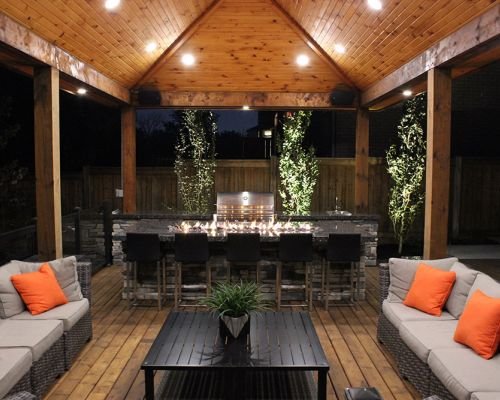
Transforming Toronto yards into personal sanctuaries involves more than just aesthetics; it’s about creating sustainable, functional retreats that reflect individual lifestyles amid a vibrant cityscape. How can homeowners balance beauty, eco-responsibility, and durability in a climate marked by extremes? This guide explores innovative landscape design rooted in native plants, eco-friendly materials, and resilient features that thrive through Toronto’s seasonal shifts. It highlights seamless integration of modern elements—smart lighting, water-efficient systems, and durable furniture—crafted through expert installation and ongoing maintenance. As design trends evolve, the focus shifts toward personalized outdoor environments that promote wellness, social connection, and ecological health. Could future landscapes become dynamic ecosystems supporting biodiversity while enhancing daily life? With advances like virtual visualization and sustainable practices, Toronto’s outdoor spaces are poised to become more than mere gardens—they are evolving into vital, inspiring extensions of home and nature. How will these innovations shape the outdoor retreats of tomorrow?
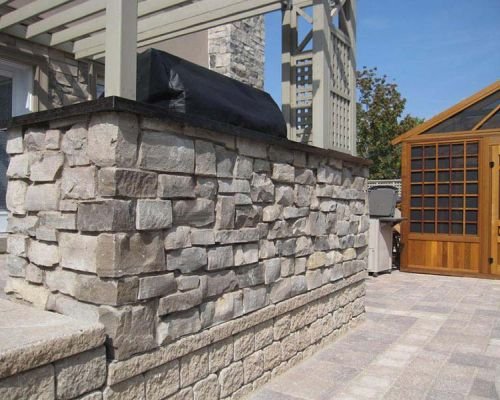
Transforming Toronto Yards into Personal Retreats: Beyond Flowers and Patios
Transforming residential yards into beautiful outdoor retreats in Toronto is about more than just planting a few flowers or laying down a patio. It’s about creating personal spaces that invite relaxation, foster connection, and reflect the homeowner’s unique style. In a city as diverse and vibrant as Toronto, outdoor spaces need thoughtful design to suit both the environment and the people who use them. A well-designed yard enhances curb appeal and transforms a simple outdoor area into a sanctuary where residents can unwind and reconnect with nature.
The scope of yard transformations here has grown significantly over recent years. Homeowners are now seeking more than just visual appeal—they want functional, eco-friendly spaces that can stand up to Toronto’s variable climate. Whether it’s a lush garden filled with native plants, a cozy patio perfect for gatherings, or a backyard that doubles as a play zone, the goal is to craft outdoor environments that are both beautiful and sustainable. This shift reflects a broader awareness of environmental responsibility alongside a desire for outdoor retreats that can be enjoyed year-round.
Designing these outdoor spaces involves balancing aesthetic appeal with practicality. Toronto’s climate—marked by cold winters and warm summers—requires careful plant selection and landscape planning. Native plants are vital here, thriving naturally and reducing the need for excessive watering or chemical treatments. Incorporating eco-friendly materials and water-efficient features further helps create landscapes that are resilient, low-maintenance, and environmentally responsible. The result is a landscape that not only looks great but also supports local biodiversity and sustainability.
Creating a successful yard transformation hinges on understanding each homeowner’s needs and preferences. Every outdoor space should mirror personal style and lifestyle, whether that’s a tranquil garden for meditation, an entertainment-ready patio, or a family-friendly play zone. Effective communication and thoughtful planning ensure the final design aligns with these desires, resulting in a space that feels both inviting and meaningful. When these elements come together, the yard becomes a true extension of the home—a personal retreat that rejuvenates the mind and body.
In Toronto, yard transformations go beyond aesthetics—they require blending artistry with science and sustainability. When executed well, they turn an ordinary outdoor area into a sanctuary for relaxation, social connection, and outdoor enjoyment. As the city continues to grow and evolve, so does the approach to landscape design. Increasingly, the focus is on creating outdoor environments that are environmentally responsible and tailored to individual lifestyles. This combination of beauty, functionality, and sustainability makes Toronto yards not just visually appealing, but truly enriching spaces for their owners.
Building Sustainable Toronto Landscapes: Core Principles and Climate Considerations
A strong foundation in Toronto’s landscape design begins with a clear understanding of the city’s distinctive climate. Toronto experiences cold, snowy winters alongside hot, humid summers, which demands careful plant and material selection to ensure resilience. Native plants are central to this approach—they are naturally adapted to withstand seasonal extremes, requiring less water, fewer chemicals, and minimal maintenance. Using these species supports both ecological health and long-term landscape durability, making them a smart choice for sustainable outdoor spaces.
Design principles like balance, harmony, and functionality serve as guiding pillars in creating effective landscapes. Thoughtful arrangement of focal points, pathways, and open areas encourages natural movement through the yard while maintaining visual interest. When these elements work together seamlessly, the landscape feels cohesive and calming, inviting homeowners to relax and enjoy their outdoor environment. A well-balanced design also ensures that the space functions well for daily activities, whether it’s gardening, entertaining, or simply unwinding.
Sustainability is woven into every decision during the planning process. Incorporating eco-friendly materials such as permeable pavers and sustainably sourced wood minimizes environmental impact. Water-efficient systems like rain barrels and drip irrigation help conserve resources during Toronto’s drier summer months. These choices not only reduce maintenance and costs but also contribute to a landscape that can endure climate stresses over time. Emphasizing eco-conscious practices creates outdoor environments that are both beautiful and resilient, supporting broader ecological goals.
Understanding client needs is equally essential. Open dialogue allows designers to tailor landscapes to specific lifestyles and aesthetic preferences. Educating homeowners about native plants and sustainable options empowers them to participate actively in the design process, fostering a sense of ownership. When the final landscape reflects both personal taste and environmental responsibility, it results in a space that feels authentic, inviting, and uniquely suited to the homeowner’s life.
Choosing plants suited to Toronto’s climate is a practical step towards long-lasting landscapes. Native species like oak, maple, and wildflowers thrive naturally in this environment, reducing the need for excessive watering and chemical interventions. These plants also provide vital habitat for local pollinators and wildlife, enriching Toronto’s urban ecosystem. Layered plantings, naturalistic layouts, and water-smart features further enhance ecological health, helping to manage stormwater and soil stability. A landscape built on these principles not only looks stunning but also supports sustainability and resilience for years to come.
Innovative Features and Client-Centric Design for Lasting Outdoor Spaces
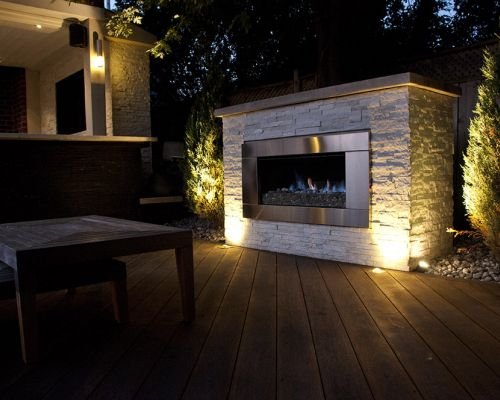
Integrating modern features into Toronto yards means more than just adding trendy elements; it’s about creating outdoor spaces that feel seamless, functional, and visually compelling. Smart lighting systems, weather-resistant furniture, and eco-friendly water features like recirculating fountains or rain gardens can elevate a backyard from simple to stunning. When thoughtfully incorporated, these elements enhance usability and aesthetic appeal, making outdoor living inviting year-round. The key is to ensure they blend naturally with the landscape, so they feel like an organic part of the overall design rather than afterthoughts.
Seamless design and expert installation are crucial for turning innovative ideas into reality. Clear, ongoing communication from the outset ensures every feature—whether a built-in fire pit or a custom deck—fits perfectly within the landscape. Skilled craftsmanship makes all the difference, guaranteeing features look polished, function reliably, and withstand Toronto’s seasonal shifts. Attention to detail during installation creates a cohesive space where modern touches complement natural elements, resulting in a landscape that feels both high-end and authentic.
Client satisfaction drives every step of the process. Listening closely to homeowners’ wishes and translating those into practical, sustainable designs builds trust and ensures the final result exceeds expectations. Regular updates and transparency throughout installation foster confidence and collaboration. When clients see their vision come to life with quality materials and meticulous craftsmanship, they develop a strong sense of ownership and pride in their outdoor retreat. This connection turns a project into a personal sanctuary that truly resonates.
Designing for longevity means choosing features that are durable, easy to maintain, and eco-friendly. Weather-resistant furniture, low-voltage lighting, and water-smart systems like drip irrigation or native plant gardens help preserve the landscape’s beauty while reducing ongoing effort. These thoughtful choices not only stand up to Toronto’s climate but also lower costs over time, ensuring the yard remains vibrant and inviting without constant intervention. A focus on resilience and low-maintenance solutions guarantees the space continues to impress year after year.
The process doesn’t end once installation wraps up. Ongoing care, seasonal adjustments, and routine maintenance are essential for preserving the landscape’s health and beauty. Educating homeowners on simple care practices—such as pruning, watering, and minor repairs—empowers them to keep their outdoor space thriving. When the design includes long-term support strategies, the yard becomes a seamless extension of the home—beautiful, sustainable, and a true source of enjoyment. Thoughtful integration of modern features with expert execution ensures each outdoor retreat is a lasting, inspiring haven.
Executing Yard Transformations: Practical Steps for Success and Satisfaction
Executing a yard transformation in Toronto begins with a clear understanding of what the homeowner envisions. Listening carefully during initial consultations helps capture their lifestyle needs, aesthetic preferences, and functional desires. When homeowners feel their voice is heard, they become more engaged in the process, which leads to better collaboration and a more satisfying end result. This foundation of trust makes it easier to select the right materials, plants, and features that align with both their vision and the local environment.
Once the design is finalized, the focus shifts to choosing durable, eco-friendly materials suited for Toronto’s climate. Native plants are often the safest choice—they’re naturally adapted to withstand cold winters and hot summers, reducing ongoing maintenance. Hardscapes like permeable pavers and sustainably sourced wood not only support water conservation but also enhance the landscape’s resilience. These choices promote sustainability and create landscapes that are both beautiful and long-lasting.
Effective project management is essential to keep everything on track. Coordinating schedules, supervising contractors, and maintaining open communication with the homeowner ensures a smooth process from start to finish. Regular check-ins allow for early identification of issues, enabling timely adjustments that prevent delays or unexpected costs. Keeping homeowners involved fosters transparency and confidence, making the entire experience more collaborative and reassuring.
During installation, attention to detail and craftsmanship are critical. Skilled workers must execute the plan carefully, from planting native species correctly to installing lighting seamlessly and ensuring hardscapes are level and stable. This precision guarantees that features function properly and look polished, even after Toronto’s seasonal shifts. A meticulous approach during this phase helps prevent future problems and guarantees the durability of every element.
Beyond project completion, ongoing maintenance and periodic adjustments are vital for preserving the landscape’s beauty and health. Educating homeowners on seasonal pruning, watering, and minor repairs encourages proactive care. This ongoing support helps extend the lifespan of plants and features, keeping the yard vibrant and inviting year after year. When long-term care is integrated into the initial plan, the outdoor space becomes a truly seamless extension of the home.
Incorporating these best practices ensures that every yard transformation is not just visually stunning but also sustainable and resilient. Clear communication, careful material selection, skilled execution, and ongoing support work together to create outdoor retreats that homeowners will cherish for years. This thoughtful approach guarantees that each landscape not only meets but exceeds expectations, turning ordinary yards into personal sanctuaries that inspire and rejuvenate.
Future Horizons in Toronto Outdoor Design: Trends, Technology, and Eco-Resilience
Looking ahead, Toronto’s outdoor design scene is set to become even more sustainable and personalized. Homeowners are increasingly craving outdoor spaces that do more than just look attractive—they want environments that support eco-friendly living, require less maintenance, and genuinely fit their lifestyles. As technology advances, features like automated lighting, smart irrigation, and climate controls will become standard, making outdoor retreats more manageable and energy-efficient. These innovations help conserve resources while offering convenience, encouraging residents to enjoy their yards year-round.
Native plants and eco-conscious materials will remain at the forefront of landscape choices. As awareness of climate resilience grows, designers will lean more heavily on native species that thrive naturally in Toronto’s seasonal shifts. Recycled and sustainably sourced hardscapes—like permeable pavers and reclaimed wood—are gaining popularity, reducing environmental impact and supporting circular economies. These materials not only bolster sustainability but also ensure landscapes are durable and easier to care for over time, seamlessly blending beauty with responsibility.
Beyond ecological benefits, outdoor spaces are becoming extensions of wellness and social life. Features like outdoor fitness zones, meditation nooks, or edible gardens are integrating health and community into landscape design. These versatile zones respond to a broader desire for retreats that nurture mental and physical well-being, creating spaces that encourage connection with nature and each other. Future landscapes will likely combine aesthetic appeal with functional areas, transforming yards into holistic environments that promote a balanced lifestyle.
Technology is also revolutionizing how clients visualize and customize their outdoor spaces. Virtual reality and 3D modeling tools allow homeowners to see and tweak designs before construction begins, fostering a more collaborative approach. This digital shift streamlines the process, reduces surprises, and ensures that each landscape reflects personal tastes while meeting ecological and functional goals. Empowered by these tools, homeowners can actively shape spaces that truly resonate with their unique vision.
As climate challenges intensify, landscape professionals will need to adopt adaptive, resilient practices. Gardens and yards will evolve into integrated ecosystems that support local biodiversity and mitigate environmental stresses. Designing landscapes that are both inspiring and resilient will become a standard, ensuring outdoor retreats can withstand future conditions while delivering ongoing benefits. This shift emphasizes the importance of creating spaces that are not only beautiful but also vital to ecological health.
The future of outdoor design in Toronto is about blending beauty with innovation and ecological mindfulness. Spaces will transcend traditional notions of gardens, becoming multifunctional environments that foster health, community, and sustainability. Incorporating smart technology, native plantings, and eco-friendly materials, designers will craft retreats that are personalized, resilient, and deeply connected to the environment. These developments promise outdoor spaces that are not just visually stunning but also meaningful and sustainable, supporting a lifestyle rooted in both comfort and responsibility.
About the Author