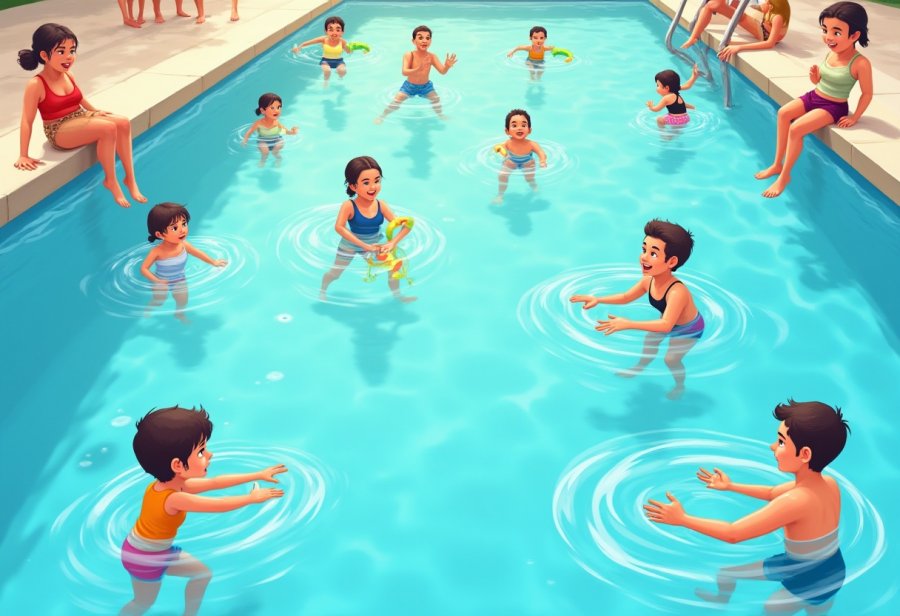
What if the greatest obstacle to learning to swim isn’t water itself, but the courage to take that first step? This inspiring exploration reveals that swimming is a transformative skill accessible at any age, capable of turning fears into freedom. From hesitant beginners splashing timidly in shallow pools to adults conquering long-held anxieties, the journey emphasizes patience, small victories, and mental shifts. Expert insights and real success stories demonstrate that overcoming water fears is not only possible but empowering, fostering confidence and independence. Practical guidance encourages manageable steps—familiarizing oneself with water, practicing floating, and celebrating milestones—making the process feel less daunting. As confidence grows, water loses its threat, becoming a space for growth, fun, and personal achievement. Isn’t it time to abandon hesitation and embrace the life-changing potential of learning to swim? Every small step forward promises a wave of newfound confidence and adventure.
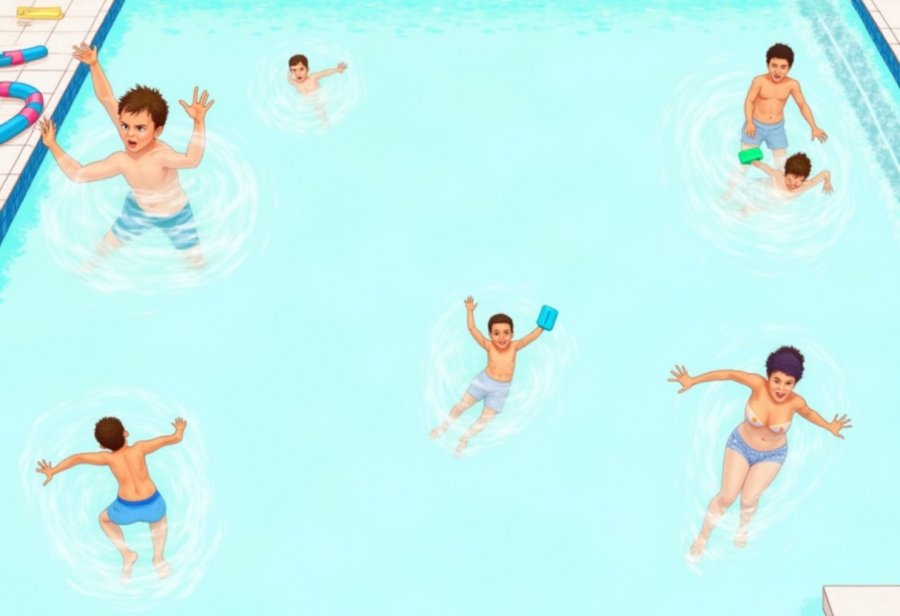
Transform Your Life: Learning to Swim at Any Age
Learning to swim is often seen as a childhood milestone, but it’s truly a skill that can redefine your relationship with water at any age. Many adults hesitate, feeling nervous or unsure about stepping into the pool for the first time. That’s completely normal—water can be intimidating when you’re not used to it. But remember, learning to swim isn’t about perfection from the start; it’s about small, steady steps that build confidence and trust in your own abilities. Whether you’re picking it up for safety, fitness, or just personal growth, the process is accessible to everyone.
Starting your water journey can feel daunting, especially if fear has held you back for years. Still, each small move—splashing water on your face, sitting at the pool’s edge, or floating in shallow water—helps break down those barriers. These early experiences make the environment feel familiar rather than threatening. As you become more comfortable, breathing techniques and gentle relaxation help calm nerves, turning water from a source of anxiety into a space for calm and exploration.
The beauty of learning to swim at any age is that it’s a personal transformation, not just a physical skill. It’s about reclaiming a sense of control and developing resilience. When you master floating or swim a few strokes, you realize that fears of sinking or losing control are often unfounded. These milestones reinforce trust in your body, encouraging you to push just a little further each time. Overcoming water fears becomes a journey of mental and physical growth, where each small victory fuels your motivation to continue.
This process isn’t linear, and setbacks are part of the experience. Patience and persistence are essential. Visualizing success—imagining yourself swimming confidently—paired with deep breathing, can help shift your mindset from fear to curiosity. As confidence grows, water begins to feel less like a threat and more like an inviting space for adventure and enjoyment. It’s never too late to start, and every step forward strengthens your belief that you can handle water safely.
No matter your age or previous experience, learning to swim opens up a world of possibilities. It’s about more than just strokes—it’s about transforming fears into freedom. With each new skill, you’ll find yourself more at ease in pools, lakes, or oceans. The journey is ongoing, but the most important step is simply to get started. Embrace the challenge, trust the process, and soon you’ll discover that the water is a place for confidence, fun, and lifelong growth.
The Water Confidence Journey: Overcoming Fears and Building Trust
Building water confidence is a gradual process, marked by small victories that gradually reshape how you see and feel about water. It often begins with simple acts like sitting at the pool’s edge, splashing water on your face, or getting comfortable in shallow areas. These initial steps reduce anxiety by making the environment familiar rather than threatening, laying the foundation for trust. As comfort builds, practicing gentle breathing and relaxation techniques helps calm nerves and prepares you for more active skills.
Floating is a key milestone that signifies progress in this journey. Learning to float on your back and stomach not only teaches your body to relax but also demonstrates that sinking isn’t inevitable. Achieving this mental and physical breakthrough often diminishes overall fears because it shows you can stay buoyant and in control. Each successful float reinforces your confidence, making subsequent skills like kicking or moving through water feel less intimidating and more manageable.
Facing fears gradually is essential. Instead of rushing into deep water, many find success by staying within their comfort zone, always supported by a patient instructor or water buddy. Celebrating small wins—like floating unaided or swimming a few strokes—boosts motivation and affirms that progress is possible. It’s normal for nerves to resurface; the key is to keep practicing consistently and see setbacks as part of learning. Over time, these moments of discomfort become less frequent as your trust and skills grow.
Mental shifts play a significant role in building confidence. Visualization—seeing yourself swimming confidently or feeling relaxed—paired with deep breathing, helps manage anxiety and fosters a calm mindset. As your perception shifts from fear to curiosity, water becomes less threatening and more inviting. This mental preparation, combined with physical practice, turns initial apprehensions into genuine confidence, making the experience more enjoyable and rewarding.
Every milestone you reach, from splashing water on your face to floating effortlessly, signals a transformation. These small successes build a sturdy foundation of trust and mastery, gradually turning water from a source of anxiety into a space for growth and fun. Progress may be slow at times, but persistence and patience ensure that each step forward strengthens your belief in your ability to handle water safely. The water confidence journey is ongoing, and every new skill gained deepens your sense of independence and adventure.
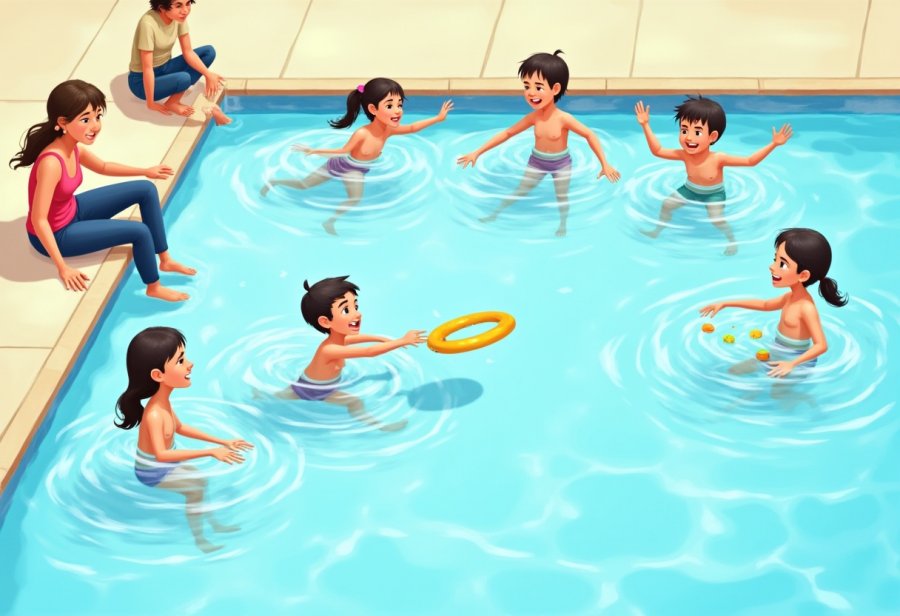
Practical Steps to Start Your Swimming Adventure
Getting started with learning to swim involves taking manageable, practical steps that make the process feel less intimidating. Begin by finding a supportive environment, whether that’s a local pool, community center, or hiring a friendly instructor who understands adult beginners. A welcoming setting where patience is prioritized helps reduce anxiety and encourages you to try new skills without pressure. If you prefer to learn on your own, online tutorials and instructional videos can serve as helpful guides, but nothing replaces the feeling of being in a safe, supervised space where help is readily available.
Once you’re in a suitable environment, focus on building a solid foundation with simple skills. Start by familiarizing yourself with the water—sit at the pool’s edge, splash water on your face, or gently dip your face in. These small actions help lessen fear by making the water environment feel familiar and controllable. Practicing deep breathing exercises alongside these activities can keep you calm and help manage nerves, making it easier to relax and stay focused on learning new movements.
Floating is a crucial early milestone that boosts confidence and safety. Practice floating on your back and stomach in shallow water, supporting yourself with your hands or floatation devices if needed. Learning to float teaches your body to relax and trust buoyancy, proving that sinking isn’t inevitable. Achieving this allows you to feel more in control, which makes other skills like kicking or swimming short distances less daunting. Celebrating these small successes reinforces your belief that you can progress steadily.
When you’re ready, start practicing gentle kicks and basic strokes in shallow water. Use tools like kickboards or hold onto the pool’s edge to support yourself as you focus on slow, deliberate movements. Building coordination takes time, so prioritize consistency over speed. These early efforts help your body adapt to moving through water, gradually increasing your confidence and reducing hesitation. Remember, progress may be slow at first, but regular practice will lead to noticeable improvements.
Mental preparation is just as important as physical practice. Visualization—imagining yourself swimming confidently or feeling relaxed—paired with deep breathing techniques can help manage anxiety and foster a positive mindset. Recognizing that nerves are normal allows you to stay patient and persistent. As your confidence grows, water begins to feel less like a threat and more like a space for growth and enjoyment. Taking small, consistent steps each day will steadily turn initial apprehension into genuine comfort and joy in the water.
Expert Insights and Success Stories: Real People, Real Achievements
Many swimming instructors emphasize that progress for adult learners hinges on patience and personalized guidance. When instructors break down skills into small, achievable steps, it keeps motivation high and anxiety low. Creating a supportive environment where mistakes are viewed as part of the learning process makes a significant difference; feeling understood and encouraged encourages learners to keep pushing forward. Instructors who understand the unique challenges faced by adult beginners can tailor their approach, making the journey less intimidating and more rewarding.
Real-life stories serve as powerful reminders that overcoming water fears is entirely possible at any age. Take Susan, for example, who spent decades avoiding water due to a deep-seated fear. With consistent support from her instructor and steady practice, she moved from feeling nervous in shallow water to floating confidently and swimming short distances. Her journey proves that it’s never too late to conquer fears, especially when guided with patience and encouragement.
Similarly, David’s story highlights how a health scare motivated him to prioritize water safety. Starting with basic breathing exercises and floating, he persisted through setbacks and gradually built confidence. Today, he enjoys swimming regularly and feels more secure around water than he ever thought possible. These stories show that persistence, combined with expert support, can turn anxiety into enjoyment and independence.
Experts also stress the importance of celebrating small victories. Whether it’s floating unaided or swimming a few strokes, these milestones reinforce your belief in your abilities. Recognizing that progress isn’t always linear helps maintain motivation, especially when setbacks happen. Every achievement, no matter how minor, adds to your sense of mastery and confidence, fueling your desire to keep learning.
Mental strategies play a crucial role in this process. Visualization—seeing yourself swimming smoothly or feeling relaxed—paired with deep breathing helps manage nerves. Developing a positive mindset transforms water from a source of fear into an inviting space for growth. As confidence grows, practicing becomes more natural and enjoyable, reinforcing the idea that water is a place for personal achievement.
Support from instructors who understand the challenges adults face can make all the difference. They encourage patience, persistence, and a focus on small, steady progress. This approach helps learners see setbacks as part of the journey rather than failures, fostering resilience. Over time, many adults find themselves not only overcoming fears but also discovering a lifelong love for water.
These stories and professional insights demonstrate that water confidence is within reach for everyone. The path may have its hurdles, but with the right mindset, guidance, and persistence, transforming fears into freedom is entirely possible. The key is to keep moving forward, celebrate each milestone, and trust that every step brings more enjoyment and mastery. With consistent effort and a positive outlook, water becomes a space for growth, fun, and lifelong confidence.
Conclusion and Next Steps: Embrace Growth and Keep Moving Forward
Once you’ve taken that initial step toward water confidence, the journey doesn’t end—it evolves with your ongoing practice and curiosity. Each swim, whether in a pool, lake, or ocean, reinforces what you’ve learned and opens new opportunities for adventure and safety. Staying consistent helps solidify your skills and makes water feel more familiar and inviting. Set small goals, like mastering a new stroke or swimming in different environments, to keep motivation high and progress steady.
Building your skills gradually and celebrating each milestone—whether it’s floating unaided or swimming a few strokes—strengthens your belief in your abilities. As confidence grows, so does your comfort in various water settings. This ongoing process not only improves your technique but also transforms water from a source of anxiety into a space for relaxation, fun, and personal achievement. The more you practice, the more natural it becomes to handle different water situations with ease.
With patience and persistence, you’ll find yourself more at ease during spontaneous beach trips, lake outings, or trying new water sports. Each experience becomes an opportunity to apply what you’ve gained, deepening your trust in your skills and expanding your enjoyment. Remember, even seasoned swimmers continue to learn and refine their techniques, so view every session as a chance to grow. Your water confidence journey is lifelong, and each step forward builds a stronger foundation for future adventures.
As your confidence deepens, you may notice how water-related activities positively influence other areas of your life—boosting resilience, encouraging a growth mindset, and fostering independence. Whether it’s feeling prepared for unforeseen situations or simply enjoying leisure without worry, these skills ripple outward. Keep exploring, stay curious, and set achievable goals to maintain momentum and keep water a source of joy, not fear.
Now is the perfect time to keep moving forward. The progress you’ve made so far is just the beginning. Each effort brings you closer to feeling comfortable, empowered, and eager for new water experiences. Trust in your ability to learn and grow, and let the water become a space where you feel safe, confident, and excited for what’s next. Your lifelong journey of swimming confidence is underway—embrace it, and enjoy every moment in the water.
About the Author