Could Cleopatra VII be remembered not just as Egypt’s last pharaoh or a figure of romantic legend, but as a master strategist whose true power lay in her mind? This compelling portrayal uncovers her legacy as a formidable leader driven by intelligence, diplomacy, and resilience. From her roots blending Greek and Egyptian cultures to her mastery of political alliances with Julius Caesar and Mark Antony, Cleopatra leveraged her wit and cultural patronage to secure her kingdom’s independence amid chaos. Her leadership was characterized by strategic patience, adaptability, and a deep understanding of human motivation—traits that allowed her to navigate internal rivalries and external pressures for decades. This narrative challenges the myth of superficial charm, revealing a ruler whose enduring influence stems from her sharp intellect and cultural vision. Are her innovations in diplomacy and knowledge still relevant today? Her story invites reflection on how true power resides in strategic insight and emotional intelligence—timeless lessons for modern leadership.
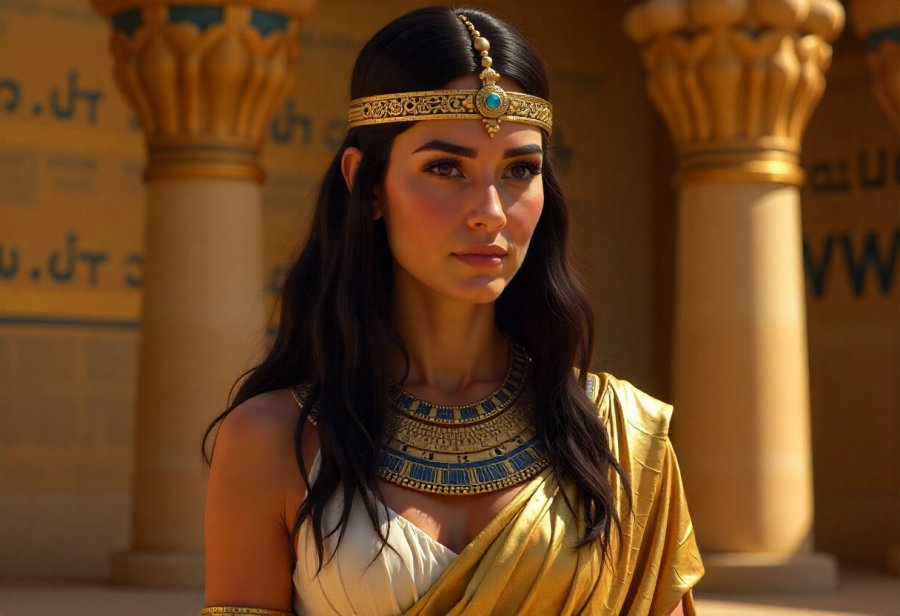
Cleopatra VII: Mastermind Behind the Legend
Cleopatra VII stands out as one of history’s most compelling figures, not just for her beauty or her dramatic story, but for her sharp mind and strategic leadership. Her legacy endures because she mastered influence through intelligence, diplomacy, and resilience. As the last active pharaoh of Egypt, Cleopatra navigated a world filled with internal rivalries and external threats from Rome, demonstrating a rare talent for political mastery.
Her leadership was rooted in more than charm; it was built on a deep understanding of statecraft. Cleopatra used her wit and political acumen to forge powerful alliances, outmaneuver rivals, and adapt swiftly to changing circumstances. Her relationships with Julius Caesar and Mark Antony weren’t driven by vanity—they were calculated moves aimed at preserving Egypt’s independence and strengthening her position.
Beyond politics, Cleopatra’s appreciation for knowledge and culture played a vital role in her reign. She supported Alexandria’s famed Library, recognizing that wisdom and scholarship were essential tools of power. Her patronage of scientists, philosophers, and artists helped transform Egypt into a hub of intellectual activity, extending her influence beyond military might to cultural leadership.
Her resilience in facing internal dissent and external pressures set her apart as a formidable leader. Cleopatra faced threats from rivals within her own family and from foreign powers eager to control Egypt’s wealth. Her ability to withstand these challenges, often by shifting strategies and leveraging timing, kept her reign secure for decades. Her adaptability and patience underscored her strength as a ruler.
Cleopatra’s story reminds us that true influence comes from understanding your environment, making informed decisions, and building relationships based on mutual benefit. Her legacy is a testament to how intelligence, strategic thinking, and resilience can shape history. Her leadership offers lessons that remain relevant today—showing that the power of the mind can be just as impactful as physical strength or superficial charm.
Unveiling Cleopatra’s Origins: Greek Roots and Egyptian Ties
Cleopatra VII’s roots are deeply intertwined with a complex blend of Greek and Egyptian heritage that shaped her identity and leadership style. Born into the Ptolemaic dynasty, a Macedonian Greek family established in Egypt after Alexander the Great’s empire fragmented, she inherited a cultural background that was both Hellenistic and distinctly Egyptian. This duality became a key asset in her reign, allowing her to connect with the Greek nobility while also immersing herself in Egyptian traditions, religion, and language. Her ability to bridge these two worlds helped solidify her authority in a diverse and often turbulent court.
During her rule, Egypt was a vibrant, wealthy kingdom caught at the crossroads of decline and expansion. The Ptolemaic rulers had long struggled to maintain their independence amid the growing influence of Rome and internal family rivalries. Cleopatra inherited a land rich in cultural achievements and strategic importance, but also rife with political instability. Her challenge was to navigate this volatile environment while preserving Egypt’s sovereignty amid external threats and internal dissent.
Her early years were marked by a keen political instinct. Facing rivals eager to seize power within her own family, Cleopatra quickly learned the importance of strategic alliances and astute diplomacy. She understood that her legitimacy depended on her ability to maintain the loyalty of her courtiers and the support of her people. Her shrewd moves often involved balancing internal family dynamics with external pressures from neighboring powers and rising Rome.
A pivotal moment came when she aligned herself with Julius Caesar in 48 BCE. Recognizing Rome’s dominance and influence, Cleopatra saw an opportunity to secure her throne through this alliance. It was a calculated move—one that helped her reclaim her position after internal conflicts and provided her with military and political backing. Following Caesar’s assassination, she skillfully shifted her focus to Mark Antony, forging yet another strategic partnership that aimed to protect Egypt’s independence in a changing world.
Her relationships with these Roman leaders weren’t personal whims but carefully crafted political strategies. Cleopatra used her intelligence, charm, and understanding of power dynamics to turn potential threats into opportunities. Her alliances extended beyond mere survival; they were about positioning Egypt as a vital player in Mediterranean politics. Her ability to adapt and leverage these relationships showcased her diplomatic mastery and resilience.
Throughout her reign, Cleopatra prioritized cultural and intellectual pursuits. She supported Alexandria’s famed Library and patronized scholars, scientists, and artists. She believed that knowledge and cultural vitality were essential to Egypt’s strength and her own legitimacy as a ruler. This emphasis on learning and scholarship helped elevate Egypt’s status as a center of innovation, making her influence extend far beyond military might.
Cleopatra’s origins, diplomatic finesse, and dedication to learning all contributed to her legacy as a leader who combined intelligence with resilience. Her capacity to adapt, forge powerful alliances, and foster a thriving cultural environment made her a formidable figure in history. Her story is a testament to how a ruler’s strength lies in understanding their environment and leveraging knowledge—lessons that remain relevant for leaders today.

The Art of Power: Cleopatra’s Strategic Leadership Principles
Cleopatra’s leadership was defined by a keen mastery of political strategy, sharp intelligence, and a distinctive style of governance that set her apart from many of her contemporaries. She understood that true power extended beyond military might; it depended heavily on diplomacy, negotiation, and the ability to influence key allies and rivals. Her talent for forging and maintaining strategic alliances—most notably with Julius Caesar and Mark Antony—demonstrates her skill in turning relationships into tools for securing Egypt’s independence and strengthening her position.
Her diplomatic finesse was subtle and nuanced. Cleopatra knew how to read her opponents and adapt her messaging accordingly, employing charm and persuasion as strategic instruments of trust-building. She managed internal court rivalries while skillfully navigating external pressures from Rome’s expanding influence. This diplomatic finesse was essential for maintaining her sovereignty in a volatile geopolitical landscape, allowing her to manipulate circumstances to her advantage.
Her governance style reflected a readiness to make calculated decisions under pressure. Cleopatra was adaptable, willing to shift strategies as circumstances evolved. Whether facing internal dissent or external threats, she remained flexible, employing marriages, alliances, and political maneuvers to stabilize her reign. Her decision-making was driven by a clear understanding that long-term stability depended on her influence—shaping events rather than merely reacting to them.
Beyond immediate survival, Cleopatra aimed to embed Egypt’s influence within the broader Mediterranean sphere. Supporting Alexandria’s famed Library and fostering scholarly pursuits, she recognized that knowledge and culture were powerful tools of statecraft. By patronizing scientists, philosophers, and artists, she transformed her kingdom into a hub of intellectual activity, reinforcing internal resilience and elevating Egypt’s status as a center of learning and innovation.
Resilience was at the core of her leadership. Cleopatra faced constant threats from family rivals and external powers eager to control Egypt’s wealth. Her ability to withstand these pressures and adapt her strategies kept her reign secure for decades. Patience, timing, and clever negotiation often turned dire situations into strategic victories, reinforcing her reputation as a shrewd and capable leader.
Her mastery of statecraft also involved impeccable timing and resource management. Cleopatra understood when to act swiftly and when to wait, always choosing the moment that would maximize her influence. This balance of patience and decisiveness allowed her to project strength even when her position was precarious, maintaining her authority through strategic patience. Her leadership exemplifies how combining intelligence with emotional insight fosters influence, loyalty, and resilience—traits that continue to inspire leaders today.
Modern Wisdom from Cleopatra: Leadership Lessons for Today
Cleopatra’s mastery of political strategy and diplomacy offers timeless lessons for today’s leaders. Her ability to read her environment, forge strategic alliances, and adapt quickly to changing circumstances exemplifies core principles of influence and resilience that remain relevant. Modern leaders can draw inspiration from her example by focusing on building long-term relationships rooted in trust and mutual benefit, rather than chasing short-term gains. Cleopatra understood that influence grows through transparency, consistent communication, and understanding others’ motivations—concepts that underpin effective negotiation and stakeholder management today.
Her alliances with Julius Caesar and Mark Antony weren’t based on superficial charm but on strategic mutual interests. This approach highlights the importance of aligning interests and creating value for all parties involved. In today’s world, successful partnership-building depends on similar principles: fostering genuine connections, listening actively, and finding common ground. Cleopatra’s talent for turning potential threats into opportunities through diplomacy reminds us that influence is often rooted in intelligence and emotional insight, not just power or force.
Flexibility and resilience are more crucial than ever in a landscape that shifts rapidly. Cleopatra’s willingness to adjust her strategies based on real-time developments helped her maintain control for decades. Modern leaders who stay open to new ideas, learn from setbacks, and know when to pivot are better equipped to navigate uncertainty. Mastering the art of timing—knowing when to act decisively and when to wait—is a trait she exemplified and one that can determine success in today’s complex environments.
Cultural influence and knowledge played a key role in Cleopatra’s leadership. Supporting Alexandria’s Library and fostering scholarly pursuits, she recognized that a vibrant, educated environment enhances internal resilience and external influence. Investing in innovation, education, and diverse perspectives remains vital for building sustainable organizations and nations. Her emphasis on knowledge as a strategic tool underscores the enduring power of cultural vitality in leadership.
Beyond strategy, Cleopatra’s emotional intelligence was central to her effectiveness. She motivated allies and disarmed enemies by understanding human motivations and fears. Today, empathy and active listening are recognized as essential leadership skills that inspire loyalty and foster collaboration. Cleopatra’s ability to connect genuinely with others reinforced her influence and helped sustain her reign through turbulent times.
Applying Cleopatra’s strategies today isn’t about copying her actions but embracing her core principles. Building trust through transparency, remaining adaptable amidst change, and prioritizing knowledge and cultural insight create a solid foundation for influence. Leaders who internalize these lessons foster long-term impact rather than fleeting success, navigating complexity with confidence and purpose.
Her legacy shows that influence and resilience stem from wisdom, flexibility, and meaningful human connections. By thinking ahead, influencing others ethically, and staying open to new possibilities, modern leaders can create lasting impact. Cleopatra’s example reminds us that true power resides in the mind—an asset that, when managed wisely, can shape history just as profoundly now as it did in her time.
Her Enduring Legacy: How Cleopatra’s Intelligence Shaped History
Cleopatra’s legacy transcends the stories of her beauty and dramatic romances; at its core, her influence was rooted in her extraordinary intellect and strategic mindset. She understood that true power came from knowledge, diplomacy, and resilience—traits that enabled her to navigate a turbulent political landscape and leave an indelible mark on history. Her ability to forge alliances, support scholarship, and withstand internal and external threats showcased a sharpness of mind that outshined her contemporaries. This emphasis on intelligence rather than superficial charm set her apart as a leader whose strength was grounded in wit and strategic vision.
Her contributions extended far beyond mere diplomacy. Cleopatra was a master at understanding the motives of those around her, employing emotional intelligence to motivate allies and disarm enemies. Her alliances with Julius Caesar and Mark Antony were carefully calculated moves designed to preserve Egypt’s independence and extend its influence. These relationships exemplified her talent for turning potential threats into opportunities, demonstrating her capacity to think several steps ahead in a dangerous game of power.
Supporting Alexandria’s famed Library and fostering scholarly pursuits, Cleopatra recognized that knowledge was a vital tool of leadership. She created an environment where science, arts, and scholarship thrived, knowing that a culturally vibrant Egypt would be more resilient and influential. This focus on intellectual growth was not merely symbolic; it was a strategic move that strengthened internal cohesion and elevated Egypt’s status as a center of learning and innovation.
Her resilience in facing internal rivalries and external pressures was remarkable. Cleopatra confronted constant threats from family members eager to claim the throne and foreign powers eager to control Egypt’s wealth. Her ability to adapt her strategies, exercise patience, and leverage timing helped her maintain her reign for decades. She proved that swift, clever negotiation and strategic patience could turn dire situations into victories, solidifying her reputation as a shrewd and capable leader.
Cleopatra’s leadership exemplifies that combining intelligence, resilience, and cultural insight creates a legacy that endures. Her skill in thinking ahead, influencing others, and adapting to change highlights the importance of strategic wisdom. Her story serves as a reminder that influence and impact are rooted in understanding human nature, leveraging knowledge, and acting with purpose—traits that remain vital for leaders today.
Her life continues to inspire, illustrating that lasting influence arises from a sharp mind and a resilient spirit. Cleopatra’s example encourages modern leaders to value wisdom and flexibility over superficial charm or brute force. In a world of constant change and complexity, her legacy underscores that the most enduring power is cultivated through insight, adaptability, and meaningful human connection. Her story reminds us that leadership rooted in intelligence can shape history just as profoundly as it did thousands of years ago.
About the Author