In a digital landscape where seamless communication is no longer a luxury but a necessity, how can businesses unlock efficiency through customization? Grandstream’s innovative telephony solutions challenge the notion of rigid, one-size-fits-all systems, offering scalable, adaptable devices like the GRP series that transform daily operations. These high-performance IP phones, integrated with centralized management platforms such as GDMS, enable remote configuration, monitoring, and security—streamlining deployment across multiple locations. But beyond hardware, the true power lies in tailoring call routing, security, and user interfaces to match organizational workflows, boosting productivity and satisfaction. As businesses grow and evolve, auto-provisioning and remote management ensure their communication systems scale effortlessly without disruption. Is your organization leveraging the full potential of customized telephony to stay competitive and agile? Discover how Grandstream’s solutions turn ordinary communication into a strategic advantage—making connectivity smarter, faster, and more personalized than ever before.
Revolutionizing Business Communication with Customizable Telephony Solutions
In today’s fast-moving business landscape, clear and adaptable communication isn’t just a convenience—it’s a necessity. Companies that rely on rigid, one-size-fits-all phone systems often find themselves struggling to keep up with evolving workflows and increasing demands for efficiency. That’s where customizable telephony solutions come into play, transforming how organizations connect internally and with their customers.
These solutions are designed to be flexible, allowing businesses to tailor their communication systems to fit their unique needs. Whether it’s adjusting call routing rules, integrating with digital tools, or configuring device interfaces, customization ensures that every aspect of the system supports daily operations seamlessly. It’s about making technology serve your specific workflows, not the other way around.
The move from traditional landlines to IP-based systems has been a game-changer. Voice over IP (VoIP) technology enables voice data to travel over the internet, opening up a world of possibilities for scalable and cost-effective solutions. IP phones, especially those designed for enterprise use, come equipped with features like high-definition audio, programmable keys, and customizable interfaces. These capabilities allow organizations to optimize their communication channels for different departments, roles, or even individual preferences.
As digital and cloud technologies continue to evolve, they make deploying and managing complex telephony systems easier than ever. Cloud-based platforms enable remote configuration, centralized management, and rapid updates—features that simplify scaling as a business grows. Whether you’re expanding to new locations or upgrading existing infrastructure, these solutions provide the agility needed to adapt quickly without disrupting daily operations.
Centralized device management tools, such as Grandstream’s GDMS, are crucial in this new landscape. They empower administrators to oversee hundreds or thousands of devices across multiple sites from a single interface. This not only accelerates deployment but also enhances security, troubleshooting, and consistency across the entire network. The ability to remotely configure and monitor devices ensures your communication system remains reliable and aligned with your organizational goals.
Customization extends beyond the hardware to include how systems integrate with your workflows. Features like call forwarding, security protocols, and user interfaces can be tailored to match your organizational structure and operational needs. When devices are aligned with specific roles and processes, daily tasks become more intuitive and efficient, boosting overall productivity and employee satisfaction.
The real strength of these solutions lies in their scalability and ease of deployment. Devices equipped with auto-provisioning capabilities can download configurations automatically, reducing manual setup time and minimizing errors. This makes onboarding new team members or expanding to additional locations straightforward, supporting your growth without the usual logistical headaches.
In essence, customizable telephony solutions are reshaping business communication, turning static systems into strategic tools for growth and efficiency. By leveraging innovative devices and centralized management platforms, organizations can craft communication environments that are not only reliable and secure but also perfectly tailored to their unique operational needs. It’s a shift that empowers businesses to communicate more effectively, adapt faster, and stay competitive in a digital-first world.

Core Concepts of Business Telephony and the Power of Customization
Business telephony forms the foundation of how modern organizations stay connected and operate smoothly. It’s more than just making voice calls; today’s systems support messaging, video meetings, and integrations with digital tools, all designed to meet specific organizational needs. The shift from traditional landlines to IP-based solutions has unlocked new levels of flexibility, scalability, and smarter communication workflows, transforming the way businesses interact internally and externally.
At the core of these advancements is Voice over IP (VoIP) technology, which converts voice signals into digital data that travels seamlessly over the internet. This not only cuts costs but also allows for extensive customization—features like high-definition audio, programmable keys, and user-friendly interfaces can be tailored for different departments or roles. Such flexibility enables organizations to optimize their communication channels, making daily operations more efficient and responsive.
Moving from analog to digital systems, including digital PBX and cloud-based platforms, has simplified scaling and modifications. Digital PBX systems introduced multiple lines, voicemail, and call forwarding, while cloud platforms take this further by allowing remote management and rapid deployment. With cloud-based solutions, businesses can oversee their entire communication infrastructure from anywhere, streamlining updates and troubleshooting while reducing reliance on on-site IT support. This agility ensures that the system evolves alongside the company’s growth.
Centralized device management platforms, like Grandstream’s GDMS, are changing how organizations oversee their telephony networks. These tools enable administrators to configure, monitor, and troubleshoot thousands of devices across multiple locations from a single interface. This approach not only speeds up deployment but also enhances security and consistency, minimizing manual errors and downtime. As organizations expand, managing a reliable, high-quality communication network becomes easier and more efficient.
Customization is key to making these systems work for your business. Features such as call routing, security protocols, and personalized user interfaces can be adapted to fit organizational workflows, boosting usability and efficiency. When devices align with specific operational needs, tasks become faster and more intuitive, leading to higher productivity and greater user satisfaction. Tailoring communication tools ensures that technology supports, rather than hinders, daily business processes.
Understanding these fundamental concepts of business telephony sets the stage for leveraging innovative devices like Grandstream’s IP phones. These tools are designed to integrate seamlessly into customized, scalable communication environments. By combining core telephony principles with advanced hardware and management platforms, organizations can build a communication system that’s not only reliable and secure but also adaptable to future growth and technological change.
Grandstream Devices: The Heart of Flexible Communication Systems
Grandstream offers a broad and versatile lineup of telephony devices that serve as the backbone of customizable communication systems. Designed to meet the needs of businesses of all sizes, these IP phones combine durability with high audio quality, ensuring reliable daily communication. Their intuitive interfaces and rich feature sets make them user-friendly, reducing training time and promoting quick adoption across teams.
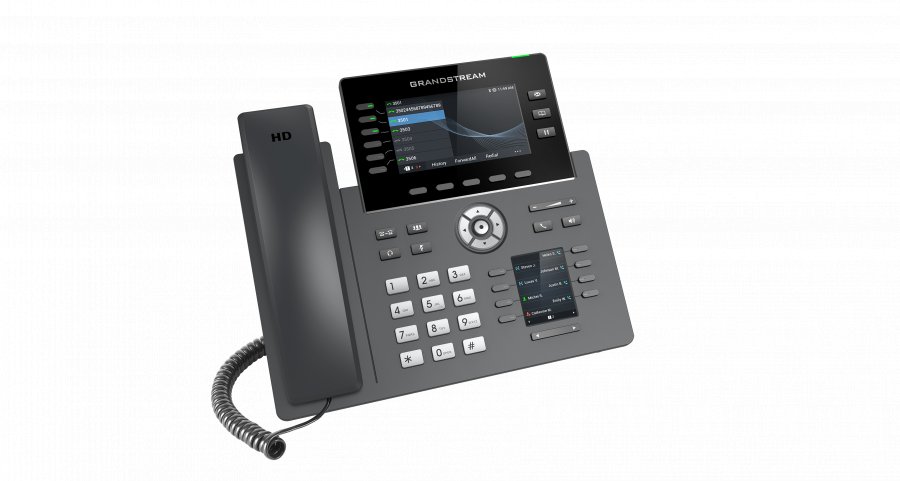
Among their flagship offerings is the GRP series, crafted specifically for large-scale deployment. These carrier-grade phones support auto-provisioning and integrate seamlessly with Grandstream’s centralized management platform, GDMS. This combination allows IT teams to configure, monitor, and update hundreds or even thousands of devices remotely, dramatically cutting deployment times and minimizing manual errors. Such efficiency is vital for organizations with multiple locations or rapid growth plans.
Integration is at the core of Grandstream’s approach. Their devices connect effortlessly with cloud management platforms, enabling remote troubleshooting, firmware updates, and configuration adjustments from a single interface. This centralized control ensures consistency across all devices, simplifies maintenance, and enhances security by enabling swift security patches. As a result, organizations can maintain a cohesive, high-performing communication network without the logistical headaches.
Grandstream’s IP phones are packed with advanced features that elevate the user experience. High-definition audio, programmable keys, and customizable interfaces tailor each device to specific roles or workflows. Call routing, security protocols, and user preferences can all be adapted to organizational needs, making daily tasks more efficient and intuitive. These capabilities transform standard phones into strategic tools that align with and support broader business objectives.
Network performance features further set Grandstream devices apart. Many models support Quality of Service (QoS) and bandwidth management, ensuring clear, uninterrupted voice quality even during peak usage. This focus on network optimization prevents latency and dropped calls, which are critical for maintaining professionalism and operational efficiency in demanding environments. Reliable, secure connections are essential for seamless communication, and Grandstream’s devices deliver just that.
Auto-provisioning capabilities make large-scale deployment straightforward. Devices automatically download configuration profiles from the management platform, enabling quick onboarding of new employees or expansion into new sites. This automation not only accelerates deployment but also guarantees uniform settings across all devices, supporting consistent communication standards. As businesses grow or adapt, this flexibility ensures their telephony infrastructure scales smoothly alongside them.
Crafting Tailored Telephony Environments for Business Success
Designing a customized telephony system begins with a clear understanding of your business’s unique communication needs. Assess your team size, daily call volume, and specific workflows or security requirements. This evaluation guides you in selecting the right devices—from simple IP phones for routine tasks to advanced models like Grandstream’s GRP series for larger deployments. Knowing what your organization demands ensures your system supports daily operations effectively and can scale smoothly as your business grows.
Once you’ve identified your priorities, leveraging a centralized management platform such as GDMS becomes essential. These tools allow you to configure, monitor, and manage all devices remotely across multiple locations. With centralized control, you can deploy consistent settings, automate firmware updates, and troubleshoot issues efficiently. This streamlines deployment, reduces manual errors, and helps maintain a reliable, uniform communication infrastructure, regardless of your organization’s size.
Custom features like call routing, security protocols, and personalized user interfaces play a crucial role in aligning your telephony system with your workflows. For instance, you can set up call forwarding rules tailored to department hierarchies or assign security measures to protect sensitive information. Personalizing device interfaces for different user roles makes daily tasks faster and more intuitive. When your communication tools reflect your operational structure, productivity and user satisfaction naturally improve.
Auto-provisioning simplifies onboarding and ongoing management. Devices configured to automatically download settings from your management platform cut setup time significantly. This means new hires or additional locations can be equipped swiftly, with consistent configurations across the board. As your team expands, this automation ensures your communication environment remains seamless, scalable, and easy to maintain, without the headaches of manual configuration.
Remote monitoring and management are vital for maintaining system health and security. Using centralized tools, administrators can track device performance, identify issues early, and push firmware updates or security patches remotely. This proactive approach minimizes downtime and keeps your communication channels secure and efficient. It also frees up IT resources, allowing your team to focus on strategic initiatives rather than routine maintenance.
Flexibility is key as your business evolves. Customized solutions allow you to add new features, modify call flows, or tighten security measures without overhauling your entire system. This adaptability supports growth and change, ensuring your telephony infrastructure remains aligned with your operational goals. It transforms your communication setup into a dynamic asset that evolves alongside your business.
Effective deployment depends on thoughtful planning and leveraging the right management tools. By understanding your specific needs, choosing devices with auto-provisioning, and customizing features to your workflows, you create a communication environment that’s reliable, easy to manage, and ready to support future expansion. This strategic approach turns your telephony system into a powerful facilitator of collaboration, customer service, and operational efficiency.
Building a tailored, scalable, and efficient telephony environment with Grandstream devices isn’t just about hardware — it’s about crafting a solution that integrates seamlessly into your daily operations. By aligning device capabilities with your organizational structure, automating deployment, and maintaining centralized oversight, you turn a basic communication system into a strategic advantage. The result is a reliable, secure, and flexible network that empowers your team to communicate effortlessly, adapt quickly, and grow confidently.
About the Author