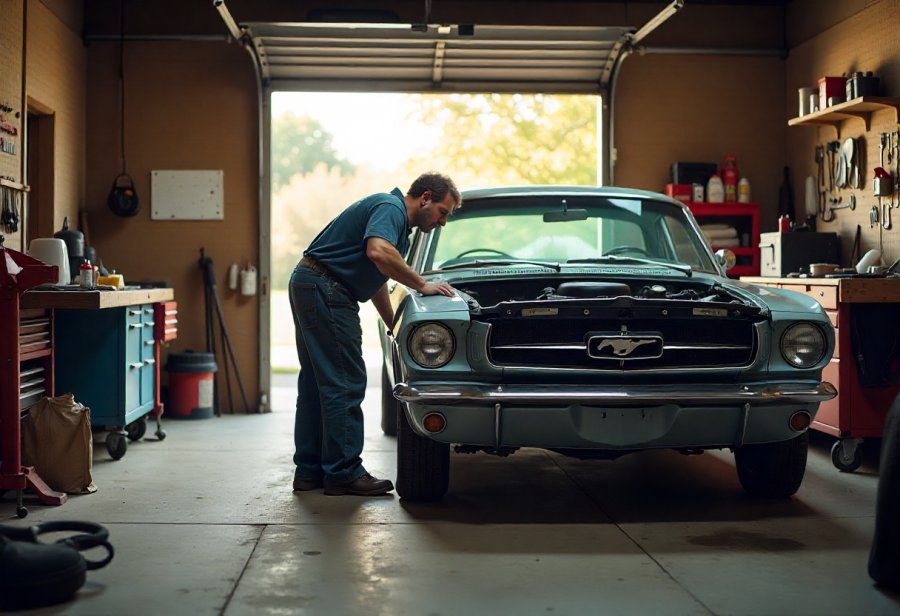
Deep within every backyard garage lies a world of passion, craftsmanship, and hidden stories waiting to be uncovered. These spaces aren’t just workshops—they’re sanctuaries of independence, creativity, and tradition that tell a compelling tale of self-reliance and personal achievement. From vintage restorations to cutting-edge electric conversions, what secrets do these humble garages hold about innovation, resilience, and community? As technology evolves, so does the DIY scene, blending old-school skills with modern tools and digital connectivity, reimagining what’s possible at home. Are these garages merely nostalgic relics, or are they pioneering the future of automotive craftsmanship? With each project, from routine repairs to ambitious rebuilds, backyard mechanics forge bonds, pass down knowledge, and redefine the essence of hands-on ingenuity. In this evolving landscape, the garage remains more than just a workspace—it’s a vital hub of inspiration, revolution, and legacy.
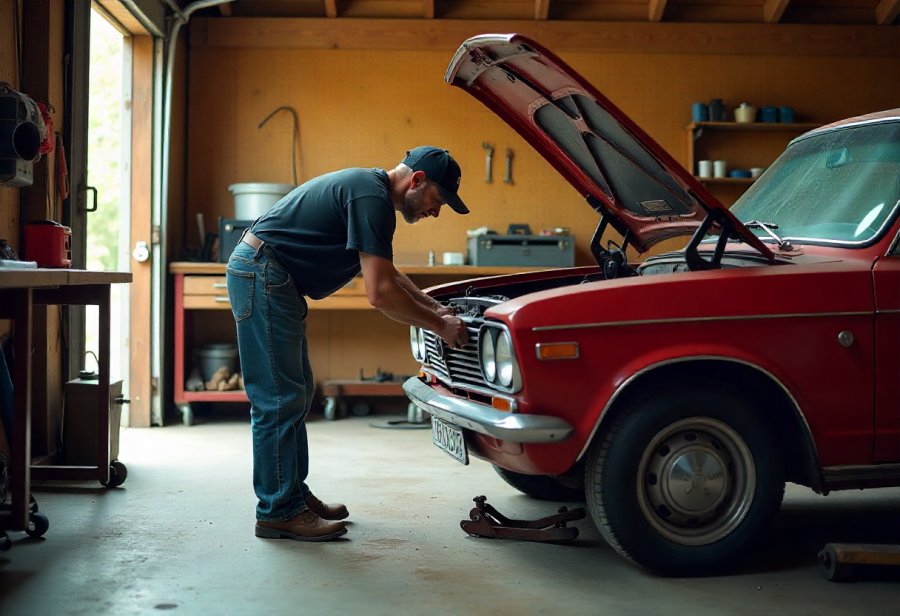
Discover the Heart of Passion in the Backyard Mechanic’s Garage
The backyard mechanic’s garage is more than just a place to fix cars; it’s a mirror of personal passion and craftsmanship. For many enthusiasts, it’s where hours are spent tuning engines, restoring vintage vehicles, or simply tinkering after a busy day. These spaces embody a love for machines rooted in tradition—either passed down through generations or sparked by a fascination with automotive history. Inside, every tool and every part tells a story of patience, skill, and dedication.
What makes these garages special isn’t only the work done inside but the mindset they foster. They serve as sanctuaries of independence, places where self-reliance takes center stage. Whether organizing tools on pegboards or stacking parts on a cluttered workbench, each detail echoes the owner’s commitment. The familiar scent of oil, grease, and rubber becomes comforting, a reminder of countless hours of focused effort and small victories.
The environment inside often reflects its owner’s personality. Walls lined with manuals, sketches, and tools reveal a love for craftsmanship and a constant desire to learn. Even amid clutter, there’s a method—a system that only makes sense to those who spend time there. Bright lights and natural sunlight illuminate every corner, helping mechanics see every detail from tiny screws to complex engine components. This space is designed for focus, patience, and discovery, turning every repair into a form of creative expression.
Beyond just fixing vehicles, these garages are places of storytelling. Restoring a vintage car isn’t merely about repair; it’s about art and history. Each project becomes a personal journey, transforming rusted-out relics into shining symbols of dedication. The garage becomes a workshop of transformation, where discarded parts are reborn, and old machines find new life. It’s a space where passion and craftsmanship merge, creating a sanctuary of mechanical artistry.
For many backyard mechanics, the garage is also a retreat from modern life’s bustle. It’s where time slows down, and the simple act of repairing becomes almost meditative. Completing a restoration or fixing an engine fuels a deep sense of pride and confidence. These spaces celebrate the idea that craftsmanship isn’t just about the end result but about the process—an ongoing journey of learning, creating, and connecting with machines that has stood the test of time.
Tracing the Roots and Cultural Evolution of Home Garages
The backyard garage as a space for mechanical creativity has deep roots that stretch back decades, closely tied to ideas of self-reliance and personal craftsmanship. In the early days, owning a car was more than just a means of transportation; it was a source of pride and independence. Many owners learned to fix their vehicles out of necessity, transforming their driveways and modest garages into makeshift workshops. This DIY spirit was fueled by a desire to understand and maintain their machines, often passed down through families and local communities.
As cars became more complex, so did the skills needed to keep them running. Backyard mechanics adapted by developing new techniques, tools, and shortcuts to work on vintage models and older engines. These spaces evolved into personal ateliers where experimentation and innovation thrived. Restoring a vehicle was more than fixing a machine—it became a story of patience, skill, and personal pride. Over time, the garage became a symbol of resourcefulness, emphasizing doing things yourself and crafting something with your own hands.
The post-World War II era marked a turning point, as car culture exploded across America. Young enthusiasts flocked to their driveways, eager to customize and rebuild. The 1960s and 70s saw a surge in affordable tools and parts, making restoration accessible to more people. Hot-rodders and car clubs promoted a DIY ethic, transforming garages into creative hubs of innovation and community. These spaces became places where personal expression through vehicle modification was celebrated, reinforcing the garage’s role as a symbol of freedom and individuality.
Throughout history, influential figures and movements shaped this identity. From mid-century hot-rodders pushing the boundaries of vehicle customization to grassroots car clubs fostering mentorship and skill-sharing, the garage has always stood for personal achievement. Today, online communities and social media have further democratized knowledge, allowing backyard mechanics around the world to exchange ideas, showcase projects, and inspire each other. This evolution keeps the spirit of craftsmanship alive, blending tradition with modern innovation.
In a world dominated by mass production and corporate control, the backyard garage remains a testament to individual effort and creativity. It challenges the fast-paced, convenience-driven culture, emphasizing patience, ingenuity, and pride. These spaces reflect broader values of self-reliance and personal achievement, turning repairing and restoring into acts of personal storytelling. As the craft continues to evolve, the garage’s role as a sanctuary of mechanical artistry and cultural significance endures, inspiring new generations to keep the tradition alive.
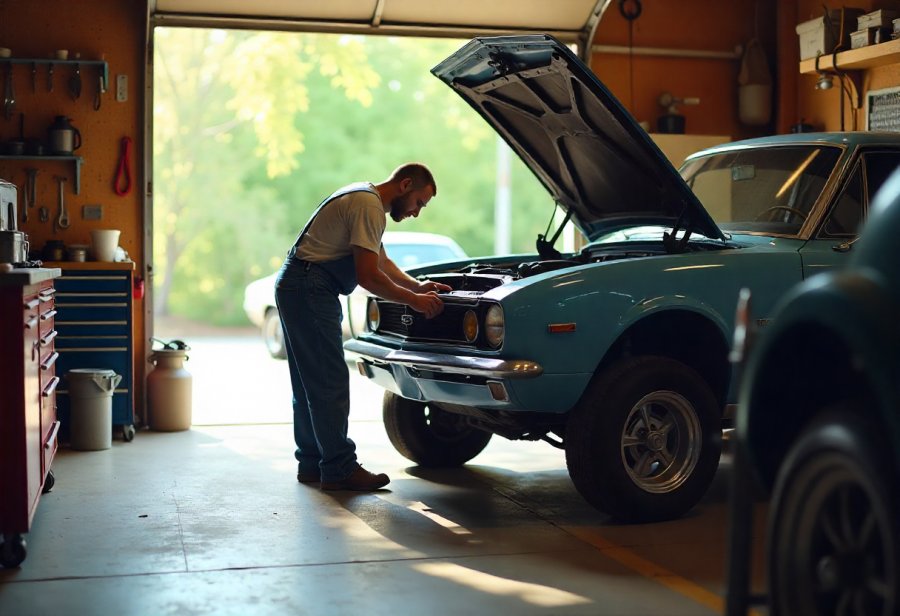
Exploring Today’s Dynamic and Tech-Savvy Backyard Mechanic Scene
Today’s backyard mechanic scene is more vibrant and inclusive than ever before. While the core tools—wrenches, screwdrivers, and pliers—remain essential, modern enthusiasts are embracing new technology to enhance their work. Digital diagnostic scanners, for example, have become affordable and user-friendly, allowing home mechanics to troubleshoot electrical systems and engine problems without relying solely on professional shops. Impact wrenches and cordless drills speed up tasks like engine rebuilds and bodywork, transforming the garage into a space of innovation.
Community plays a crucial role in shaping current practices. Online forums, social media groups, and dedicated websites connect backyard mechanics globally, sharing tips, tutorials, and project updates. YouTube channels full of step-by-step guides make complex repairs more approachable, inspiring newcomers to roll up their sleeves. These digital spaces foster camaraderie and reduce the intimidation often associated with DIY work, encouraging a broader range of people to get involved.
Attitudes toward home-based repairs have shifted positively. More enthusiasts see working on cars at home as a satisfying hobby that promotes self-reliance and sustainability. Restoring vintage vehicles or converting electric cars at home becomes a creative and eco-conscious pursuit. While safety remains a priority, many hobbyists approach their projects responsibly, blending passion with caution. This mindset nurtures patience, ingenuity, and pride, reinforcing that craftsmanship is about more than just fixing—it’s about expressing oneself through every detail.
Technological advances continue to expand what’s possible in a home garage. Electric vehicle conversions, once niche projects, are now increasingly common, offering a way to combine nostalgia with sustainability. Digital diagnostics provide detailed insights that make troubleshooting faster and more precise, encouraging enthusiasts to undertake more ambitious projects. Some experiment with 3D printing to create custom parts, reducing costs and waiting times. These innovations turn the garage into a workshop of constant learning, where curiosity and experimentation are encouraged.
The scene is further energized by passionate communities and influencers who bridge traditional techniques with modern tech. Sharing projects online, hosting local meetups, and participating in restoration contests keep the spirit of craftsmanship alive. These groups promote mentorship and skill-sharing across generations, ensuring that knowledge continues to flow. As new tools and ideas emerge, the backyard mechanic scene remains adaptable, vibrant, and forward-looking.
This evolution isn’t just about individual projects; it’s about building a culture of shared passion and collective knowledge. The garage transforms from a simple workspace into a hub of innovation and community, where hobbyists push boundaries and explore new frontiers. Whether restoring classic cars or experimenting with hybrid conversions, they are redefining what it means to be a backyard mechanic in the modern age.
In sum, today’s backyard scene is characterized by a blend of tradition and innovation. It embraces technological advancements while honoring the hands-on craftsmanship that has always defined it. More diverse and accessible than ever, it invites a new generation of enthusiasts to join the legacy—turning the garage into a space of endless possibility and creative expression.
Applying Garage Skills to Community Projects and Practical Repairs
Backyard mechanics often take their skills beyond personal projects, turning their passion into community-driven efforts. Car shows are a prime example, where restored vintage vehicles become more than eye candy—they transform into symbols of craftsmanship and pride. Showcasing a freshly restored classic or a custom build at these events isn’t about bragging; it’s about inspiring others, sharing techniques, and keeping the tradition of repair and restoration alive. These gatherings create a space for dialogue, learning, and mutual appreciation among enthusiasts.
Many backyard mechanics also organize neighborhood repair days or charity car rallies. These events turn the garage into a hub of activity, where residents gather to fix bikes, mend lawnmowers, or restore old vehicles for local causes. Such projects foster community bonds and demonstrate how hands-on skills can serve a broader purpose. When someone in the neighborhood needs a quick fix or an extensive restoration, these DIY experts step in, turning their hobby into a form of service and connection.
Mentoring plays a vital role in spreading the craft. Experienced hobbyists often share their knowledge with friends, neighbors, or newer enthusiasts, guiding them through engine rebuilds or electrical troubleshooting. These acts of teaching not only pass down essential skills but also build a culture of patience, generosity, and ongoing learning. It’s about more than fixing cars; it’s about nurturing a community where craftsmanship is celebrated and knowledge flows freely from one generation to the next.
Routine repairs form the backbone of daily garage work. Simple tasks like oil changes, brake replacements, and tire rotations keep vehicles running smoothly and safely. These quick fixes boost confidence and lay the foundation for tackling more ambitious projects, such as engine overhauls or rust repairs. Completing these everyday repairs not only keeps vehicles in top shape but also reinforces the satisfaction of hands-on work, fostering a sense of achievement and pride.
Some projects exemplify the depth of dedication backyard mechanics bring to their craft. Restoring a vintage Mustang or refurbishing an old pickup can take months, but the results often become community landmarks. These vehicles are more than just transportation—they embody patience, skill, and a personal story of transformation. Each bolt tightened and detail perfected contributes to a legacy that inspires others to pursue their own restorations with similar passion.
Having the right tools and resources makes a difference. Basic hand tools are essential, but impact wrenches, digital diagnostics, and even 3D printers are increasingly common in home garages. These advancements allow hobbyists to undertake more complex projects, from electronic upgrades to custom parts. Sharing tips and techniques online, attending local meetups, or participating in restoration contests further enriches the community, turning individual projects into shared achievements.
Ultimately, the practical application of garage passion extends well beyond personal satisfaction. It creates a ripple effect—building community, passing down skills, and inspiring others to see their garage as a space of innovation and connection. Every repair, restoration, or community event reinforces the timeless value of hands-on craftsmanship. In this way, backyard mechanics transform their garages into vibrant centers of creativity, contribution, and shared pride.
Envisioning the Future: Innovation and Sustainability in the Backyard Garage
The future of the backyard garage is shaping up to be as exciting as it is unpredictable. As technology advances at a rapid pace, DIY enthusiasts are finding new ways to push the boundaries of what can be achieved at home. Electric vehicle conversions, for example, are becoming increasingly popular, allowing backyard mechanics to blend vintage charm with modern sustainability. These projects require new skills—understanding batteries, electric motors, and complex wiring—but they also open doors to innovative experimentation that was hard to imagine a decade ago.
Digital diagnostics tools, once the exclusive domain of professional shops, are now affordable and user-friendly enough for home use. This means hobbyists can troubleshoot electrical and engine issues with greater precision, making complex repairs less intimidating. As these tools evolve, expect more projects to involve electronic upgrades, system integrations, and even automation components. The garage is transforming into a space of continuous learning, where curiosity fuels progress and innovation becomes part of everyday repair.
Sustainability is emerging as a key trend among backyard mechanics. Many are exploring ways to reduce waste, recycle parts, and minimize their environmental impact. Using eco-friendly paints, experimenting with solar-powered setups, or repurposing old components reflects a growing awareness of broader ecological concerns. These efforts show that craftsmanship can go hand-in-hand with responsibility, turning traditional mechanical work into a form of eco-conscious innovation that adds new meaning to a favorite hobby.
The influence of online communities and maker culture continues to expand, connecting backyard mechanics across borders. Platforms like YouTube, forums, and social media foster a vibrant exchange of ideas, tutorials, and project showcases. Newcomers are inspired by these stories, and seasoned hobbyists find fresh motivation in shared successes and collaborative challenges. This digital connectivity keeps the scene dynamic, ensuring that learning is ongoing and that the craft evolves with each new project.
Looking ahead, projects are likely to become more ambitious and technologically driven. Electric conversions, smart diagnostics, and 3D printing for custom parts are no longer just experimental—they’re increasingly accessible. Hobbyists will push into areas like hybrid builds, autonomous systems, and integrated electronic controls, blending traditional mechanical skills with cutting-edge tech. The backyard garage will evolve from a simple repair space into a creative workshop of innovation, where old-school craftsmanship meets modern engineering.
Safety and responsible practices will grow in importance as projects become more complex. As DIY projects involve high voltages, advanced electronics, and potentially hazardous materials, proper training and precautions will be essential. Fortunately, online resources, workshops, and mentoring programs are making knowledge more accessible, helping hobbyists work confidently and safely. This focus on responsible innovation will ensure that the scene remains inclusive and sustainable for future generations.
The ongoing blend of tradition and innovation promises a vibrant future for the backyard mechanic. Young enthusiasts will continue to draw inspiration from vintage restorations while embracing new tech-driven projects. The garage will remain a space of personal expression, experimentation, and community, adapting seamlessly to changing technologies and environmental considerations. This evolution guarantees that the core spirit—taking control, fixing, and creating—will endure, inspiring new generations to keep the passion alive.
In the end, the backyard garage will be more than just a workshop. It will be a hub of ingenuity, a place where old machines are reborn in new ways, and where hands-on craftsmanship remains a vital part of automotive culture. As tools become smarter and ideas more collaborative, the spirit of the backyard mechanic will thrive, continually reinventing itself while staying rooted in the timeless joy of working with machines. The future promises endless possibilities for those passionate enough to keep their garages alive with innovation.
About the Author