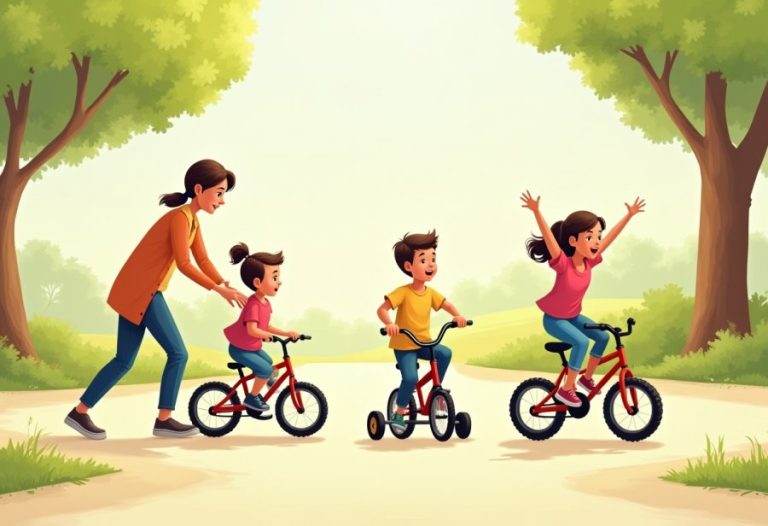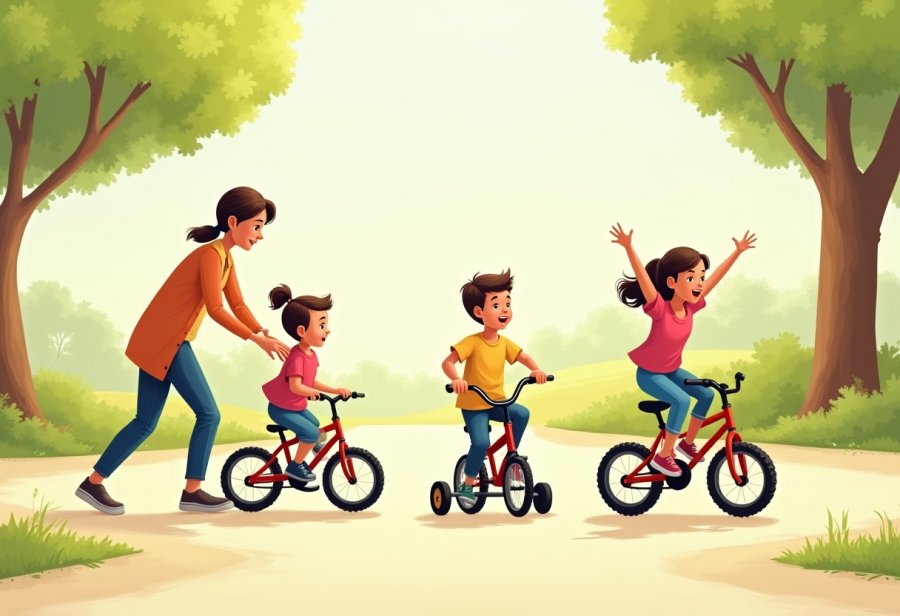
Learning to ride a bike is more than mastering balance—it’s a profound journey of courage, perseverance, and family bonds. This milestone embodies the delicate dance between fear and freedom: does the risk of falling overshadow the thrill of independence? As children wobble and fall, they learn resilience, boosted by supportive families who turn setbacks into stepping stones. Every push of the pedals, every wobble, and every triumphant ride becomes a symbol of growth, self-reliance, and emotional strength. The process emphasizes patience, safety, and encouragement, transforming what can be daunting into an empowering experience. But beyond the mechanics, it’s about instilling confidence and a spirit of adventure that lasts a lifetime. Will their first successful ride be just the beginning of many more explorations? This heartfelt journey highlights how overcoming fears on two wheels shapes resilient, adventurous spirits eager to embrace all the challenges ahead.
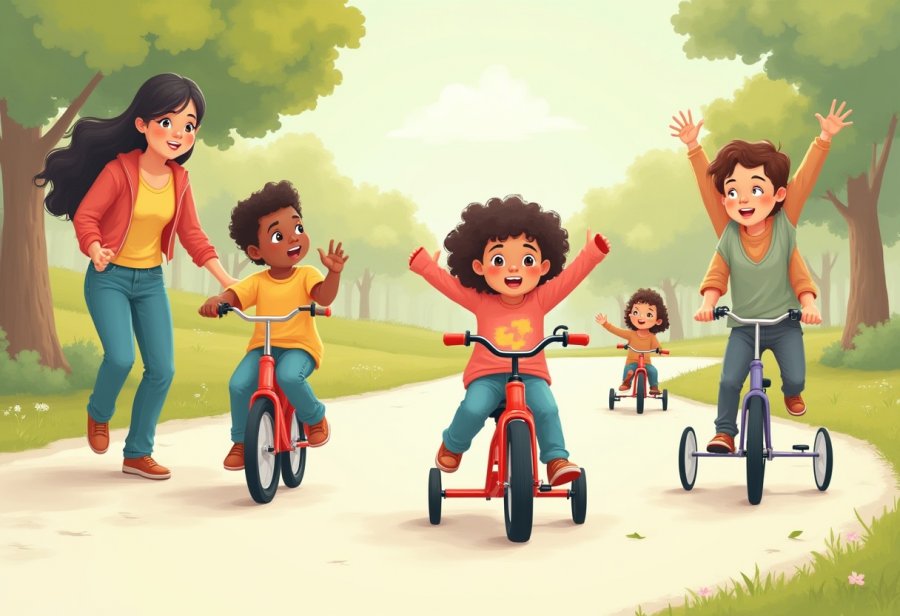
Celebrate the Journey of Learning to Ride: A Milestone of Growth and Independence
Learning to ride a bike isn’t just about balancing on two wheels—it’s a milestone that captures growth, courage, and connection. For children, those first wobbly pedals mark a leap into independence, a sign they’re starting to take charge of their world. For parents and caregivers, it’s a moment filled with pride, shared effort, and lasting memories. Watching a child push off, wobble, fall, and finally glide forward becomes a powerful symbol of stepping into a new chapter of confidence and self-reliance.
This journey is about more than mechanics; it’s about facing fears and building resilience. The worry of falling or losing control is natural, but with patience and support, those fears transform into stepping stones. Every wobble and stumble isn’t a failure but part of the learning process—small setbacks that teach children perseverance. When they finally stay upright longer or pedal without help, they experience a sense of achievement that boosts their self-esteem and belief in their abilities.
Family plays a central role in this adventure. The shared experience of teaching a child to ride often becomes a bonding ritual—an opportunity for encouragement, celebration, and emotional connection. Cheering on small victories, offering reassurance during falls, and celebrating progress together strengthen trust and teamwork. These moments create emotional bonds rooted in patience and support, making the act of learning to ride a truly meaningful family milestone.
The universal appeal of riding a bike lies in its symbolism of freedom and adventure. Most people remember their first successful ride—the thrill of balancing, the rush of coasting, the pride of independence. These memories become part of their personal stories, reminding us that overcoming fears and taking risks are essential steps toward growth. The simple act of riding a bike becomes a lifelong symbol of courage, exploration, and the joy of mastering a new skill.
Of course, parental worries about falls and scrapes are natural. However, with the right safety gear and a calm, encouraging attitude, these concerns become part of the learning experience rather than obstacles. When children see safety equipment as a normal, fun part of riding, they’re more willing to try and learn. Supporting them through setbacks fosters resilience and helps turn each wobble into a step toward confidence, making the journey both safe and rewarding.
Ultimately, learning to ride embodies a profound lesson: that courage and support can turn fears into triumphs. It’s a process that not only develops physical skills but also nurtures emotional strength and independence. Watching a child master their first ride is more than a milestone—it’s a celebration of growth, trust, and the enduring bonds that make family life richer. Each wobble, fall, and success becomes part of a story of resilience that lasts a lifetime.
Laying the Foundations: Patience, Safety, and Encouragement in Bike Learning
Teaching a child to ride a bike starts with laying a solid foundation built on safety, patience, and encouragement. Choosing the right bike is key—one that fits comfortably and is easy for their size helps foster confidence from the start. Pairing that with safety gear like helmets and pads creates a sense of security, encouraging kids to try riding without fear of injury. An open, flat space such as a driveway or park provides a safe environment for practice, free from traffic and distractions, so they can focus on learning at their own pace.
Patience is essential throughout the process. Every child learns differently, and rushing can lead to frustration or fear. Celebrating small wins—like balancing a bit longer or pedaling a few meters—keeps motivation high. Reassuring children that falls are normal and part of learning helps them see mistakes as opportunities to improve, not setbacks. When they feel supported and safe, they’re more willing to persevere, building resilience with each attempt.
Encouragement from adults makes a big difference. Simple words of praise and reassurance foster trust and motivate kids to keep trying. Demonstrating patience and understanding helps them see effort as more important than perfection. When children know they’re backed by their caregivers, they’re more likely to stay engaged and enjoy the process. Creating a positive environment where effort is valued helps set the stage for steady progress.
Breaking the learning into manageable steps reduces overwhelm. Starting with balance exercises—like sitting on a balance bike or walking alongside the bike—helps children get comfortable with staying upright. Once they’re confident with balancing, introducing gliding by pushing off and coasting allows them to experience movement without the pressure of pedaling. This gradual approach builds foundational skills steadily, giving them a sense of achievement with each new milestone.
Safety gear isn’t just protection—it’s confidence in disguise. When children wear their helmet and pads consistently, they often feel more secure and eager to try new things. Turning safety equipment into a normal part of the routine and involving kids in choosing their gear can boost enthusiasm and ownership. When kids see safety as an integral part of the adventure, they’re more likely to embrace the learning process with a positive attitude.
Mastering the Art of Riding: Strategies, Support, and Building Confidence
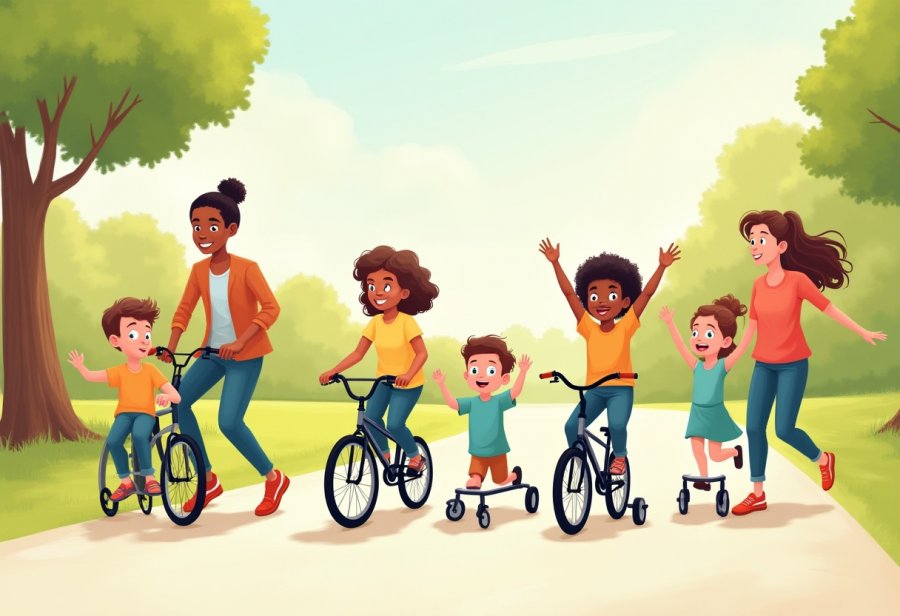
Teaching a child to ride a bike requires more than just putting them on and hoping for the best; it’s about understanding how kids learn and tailoring your approach to match their needs. Starting with simple balance exercises, like sitting on a balance bike or walking alongside the bike, helps children focus on staying upright without feeling overwhelmed. These small steps ease anxiety and give them a sense of control that builds confidence early on. Once they’re comfortable balancing, gently introducing gliding—pushing off with their feet and coasting—allows them to experience movement without the fear of falling, gradually easing them into pedaling.
Positive reinforcement plays a vital role in motivating kids. Praising efforts, regardless of how small, encourages persistence and keeps their desire to improve alive. When they manage to balance a little longer or pedal a few meters, acknowledging those wins makes them eager to try again. This approach helps foster a mindset where mistakes are seen as part of learning—not failures. Kids need to feel supported and understood, especially during wobbling or falling, because reassurance turns setbacks into opportunities for growth.
Addressing fears with patience is essential. Many children worry about losing control or hurting themselves, which can slow progress. A calm, caring presence reassures them that setbacks are normal and temporary. Sharing relatable stories or role models—like an older sibling or favorite hero—can inspire confidence. When children feel emotionally safe and supported, they become more willing to take risks, try new techniques, and push their boundaries, speeding up their learning process.
Breaking down the skills into manageable steps keeps the experience manageable and enjoyable. Starting with balancing exercises, then progressing to gliding, pedaling, and steering, allows each child to master foundational skills at their own pace. Celebrating small victories along the way reinforces progress and prevents frustration. When children see tangible improvements, they’re motivated to keep going, turning what could be a daunting challenge into a series of achievable goals.
Creating a positive environment centered on effort rather than perfection makes a big difference. Recognizing each small step forward and celebrating perseverance helps children develop resilience. It’s important to avoid comparisons and rushing through stages; patience and encouragement nurture a love for riding and a willingness to face new challenges. When children feel their efforts are valued, they develop a sense of pride and independence that extends beyond the bike—building skills and confidence for many other areas of life.
Safety and emotional support go hand in hand. When kids see that falls and wobbling are just part of the process, they learn to view challenges as normal and manageable. Maintaining a calm, encouraging attitude helps them see setbacks as opportunities, not failures. This emotional backing fosters resilience, making them more receptive to trying again after a wobble or fall. Over time, this supportive approach turns each challenge into a stepping stone toward mastery.
Remember, each child’s journey is unique. Some will pick up skills quickly, while others need more time and encouragement. Staying patient and consistent is key. When children feel safe, supported, and motivated, the learning process becomes a positive adventure—one that boosts their confidence and joy in riding. As they gain independence and mastery, they’re not just learning to cycle—they’re developing a resilient, adventurous spirit that will serve them for years to come.
Family Power: Actively Engaging in the Ride to Boost Confidence and Joy
Getting involved in a child’s bike-learning journey makes a meaningful difference in building their confidence and enthusiasm. Starting with a bike that fits comfortably and is easy to handle helps set a positive tone. Pairing it with safety gear like helmets and pads not only protects but also reassures kids, encouraging them to try without hesitation. Choosing a flat, open space such as a driveway or park provides a safe environment free from traffic and obstacles, allowing focus and freedom during practice sessions.
Your active participation demonstrates that riding is an achievable goal, fostering motivation and trust. Let your child set their own pace, avoiding pressure that can cause anxiety or frustration. Focus on creating a positive atmosphere where effort and progress are celebrated. Begin with simple balance exercises—like sitting on a balance bike or walking alongside the bike—to help them get comfortable with staying upright. Once they’re confident, introduce gliding by pushing off and coasting, which allows them to experience movement without the stress of pedaling.
Safety gear isn’t just about protection; it’s a confidence booster. When children see their helmet and pads as tools for fun and safety, they’re more likely to wear them consistently. Making safety routines a normal part of riding and involving kids in selecting their gear increases their sense of ownership. This involvement turns safety into a shared adventure and helps them view protective equipment as an integral part of the fun, not a barrier.
Transform practice into mini-challenges or games to motivate your child and mark their progress. Set small goals, like balancing longer or riding a few meters without wobbling, and celebrate every achievement. Keeping sessions short and playful prevents fatigue and frustration, making each outing enjoyable. Your encouragement and praise reinforce their efforts, helping them see setbacks as natural parts of learning rather than failures.
Most importantly, maintain a calm, patient attitude. When kids wobble or fall, reassure them that setbacks are normal and part of growth. Your support helps them develop resilience and a positive mindset, making them more willing to take risks and try again. This emotional backing creates a safe space for experimentation and learning, turning each wobble into a step forward. When families approach the process with patience and enthusiasm, riding becomes not just a skill but a joyful family adventure that strengthens bonds and inspires confidence for years to come.
Reflecting on Progress: Celebrating Growth and Embracing Future Adventures
Watching a child learn to ride a bike goes beyond mastering a physical skill; it’s a window into their emotional growth and resilience. Every wobble and fall becomes a lesson in perseverance, teaching them that setbacks are just part of the journey toward independence. As they pick themselves up and try again, their confidence deepens, instilling a belief that challenges can be overcome with patience and effort.
These early riding experiences do more than build physical coordination—they lay a foundation of trust and self-reliance that extends into many areas of life. The pride they feel after balancing longer or pedaling without help isn’t just about the bike; it’s a reflection of their developing ability to face fears and push boundaries. Celebrating these small victories reinforces the idea that persistence pays off, inspiring a mindset that will serve them well well beyond childhood.
Family involvement during this process makes the journey even more meaningful. Each shared success becomes a bonding moment, strengthening emotional ties and creating memories that last a lifetime. The support and encouragement you offer not only boost their confidence but also teach them the value of patience and teamwork. These lessons in perseverance and mutual trust become part of their character, shaping how they approach future challenges.
Looking ahead, the skills and confidence gained from mastering their first bike ride open doors to ongoing adventures. Cycling becomes more than a skill—it transforms into a symbol of independence, curiosity, and resilience. As children grow more comfortable on their bikes, they’re encouraged to explore new environments and embrace new challenges, fostering a lifelong love of activity and discovery.
Advances in bike technology and safety gear continue to make riding more accessible and enjoyable for kids everywhere. These innovations support parents in creating supportive, encouraging environments where children can grow confident and safe. Whether it’s through community programs or improved equipment, the path to becoming a skilled rider is now more inclusive, making every child’s journey toward independence feel achievable.
The lessons learned during this process extend far beyond the driveway or park. They teach kids that effort and persistence are key, and that setbacks are just opportunities to learn and improve. This resilience, nurtured on two wheels, prepares them to face future obstacles with a positive outlook and a can-do attitude. Each successful ride becomes a stepping stone toward greater self-assurance and independence.
As these early experiences fade into cherished memories, they leave behind a lasting impression: that growth often involves a few tumbles, but with support and determination, every fall is a step closer to mastery. This journey cultivates not only confident riders but resilient, adventurous spirits ready to take on whatever challenges come next.
Supporting your child through their cycling journey shapes more than just their ability to ride—it helps build a foundation of trust, resilience, and joy that will carry them through many more adventures ahead. The pride they feel in their progress reflects their emerging confidence, inspiring them to seek new horizons and embrace the thrill of exploration. In the end, every wobble and triumph on the bike is a small but powerful chapter in their lifelong story of growth and discovery.
About the Author