Underground street racing is more than just a pursuit of speed; it’s a powerful culture rooted in loyalty, rebellion, and unbreakable brotherhood. From secret late-night races in abandoned zones to meticulously modified cars that serve as symbols of identity, the scene embodies a spirit of defiance and camaraderie. Historically born from a desire to escape societal norms, this community has evolved through generations, maintaining core values despite increasing risks and law enforcement crackdowns. Today, digital technology and social media continue to strengthen bonds, connecting racers worldwide and fostering a resilient, inclusive culture. As electric vehicles and online platforms reshape the landscape, the essence of brotherhood—built on shared risks, trust, and mutual support—remains steadfast. Will this unbreakable kinship survive the pressures of modern innovation and regulation? The answer lies in the enduring power of loyalty that fuels this high-octane world, ensuring its legacy endures beyond the asphalt.
Brothers on the Asphalt: The Spirit of Underground Street Racing
Underground street racing isn’t just about hitting top speeds; it’s a culture built on passion, loyalty, and a strong sense of community. Usually taking place late at night in backstreets, parking lots, or abandoned industrial zones, these races stay under the radar to avoid law enforcement. But what makes this scene truly special isn’t only the adrenaline rush—it’s the brotherhood that forms among racers. Crews become like family, bonded through shared skills, mutual support, and loyalty that extends far beyond the asphalt.
The rebellious spirit and secrecy are core to its appeal. Racers modify their cars with eye-catching paint jobs, custom engines, and decals that turn each vehicle into a personal statement of identity and pride. The trust among crew members is built through late-night tuning sessions, repairs, and risking everything together. These shared experiences forge bonds that feel more like kinship than mere friendship, creating a community rooted in mutual respect and collective passion.
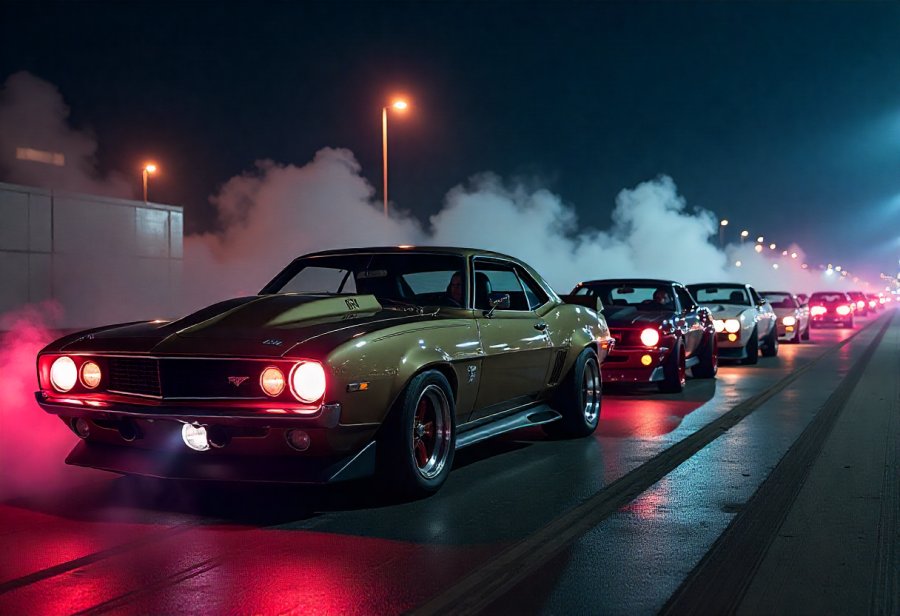
Night racing amplifies this connection, with darkness adding a layer of danger and intimacy. Drivers gather in secluded spots, engines softly revving as they prepare for the countdown. When the green light flashes, engines roar and smoke billows into the night, but beneath the chaos lies a tightly knit team trusting each other to race with skill and respect. For many, these moments aren’t just about winning—they’re about feeling truly alive and pushing limits alongside friends who have become family.
Despite increasing safety concerns and law enforcement crackdowns, the scene endures because of its powerful sense of community. Online forums, social media groups, and encrypted messaging keep racers connected, sharing tips, showcasing builds, and organizing secret meetups. These digital spaces help maintain the brotherhood across distances and obstacles, ensuring the culture remains vibrant and resilient. In this world, loyalty and shared risk create a bond that’s unbreakable, fueling the ongoing passion for speed and brotherhood.
At its core, underground racing is more than a pursuit of adrenaline—it’s about forging relationships rooted in trust, loyalty, and shared struggles. The bonds formed through late-night races, secret meetings, and mutual sacrifices go beyond the street, creating a family that stands strong against external pressures. This sense of kinship, built on adrenaline and loyalty, keeps the spirit alive, proving that in this world, speed is simply the vehicle for something much deeper.
From Rebellion to Ritual: The Roots and Evolution of Racing Brotherhood
The roots of underground street racing stretch back to a time when car enthusiasts sought to push their vehicles beyond factory limits purely for the thrill of testing their skills and speed. In the 1970s and 80s, young drivers would gather in city streets or abandoned lots, racing secretly to escape the watchful eyes of authorities. These early gatherings weren’t just about going fast—they embodied a rebellious spirit and a desire for freedom, creating clandestine spaces where passion and defiance thrived side by side.
As these secret races grew in number and intensity, so did the sense of community among the racers. Crews began forming around shared interests in cars, tuning, and defying societal norms. The cars themselves transformed into symbols of loyalty and identity, with modifications becoming more sophisticated—turbo upgrades, custom paint, and body kits that reflected each crew’s style. These vehicles became more than just machines; they represented a collective stand against conformity and mainstream expectations.
The late ’80s and early ’90s marked a turning point as underground racing gained organization and notoriety. Races attracted larger crowds, rival crews emerged, and competitions took on a more structured feel. Media coverage, movies, and music romanticized these night races, framing them as acts of youthful rebellion and brotherhood. Stories of legendary racers and crew leaders spread, inspiring new generations to join the scene and push boundaries further.
Throughout this evolution, the core values remained consistent: defiance, technical skill, and camaraderie. Many racers saw themselves as rebels carving out a space where they could race on their own terms, away from the demands of formal motorsports. The culture’s history is rooted in resilience and innovation, built by those who refused to conform and instead created a shared identity centered around speed, loyalty, and independence.
Pop culture played a significant role in shaping perceptions of street racing. Films like the “Fast and Furious” franchise romanticized the brotherhood and daring of night racing, while hip-hop and electronic music echoed themes of speed and rebellion. Today, social media allows racers worldwide to showcase their cars, share stories, and connect across borders, transforming underground racing into a global movement grounded in loyalty and shared passion.
Despite its underground nature, the history of street racing remains deeply tied to community and identity. It’s a story of innovation, resilience, and rebellion—where speed became a way to challenge norms and forge unbreakable bonds. Today’s racers stand on the shoulders of those who raced before them, carrying forward a legacy of brotherhood fueled by adrenaline, loyalty, and a shared love for the street.
Tonight’s Races and Digital Bonds: The Modern Underground Scene
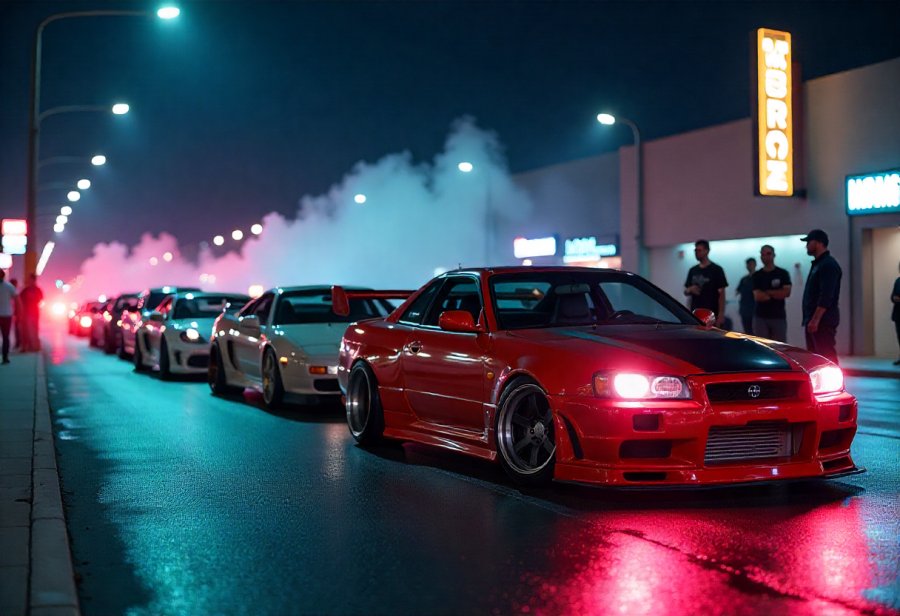
Today’s underground street racing scene remains lively and adaptable, even as it faces mounting challenges. Racers still gather in discreet locations like empty parking lots, abandoned industrial zones, or quiet backstreets, usually under cover of night to stay out of sight. These late-hour meetups aren’t just about avoiding law enforcement—they cultivate an atmosphere of adrenaline, secrecy, and camaraderie that defines the scene. The cars themselves are a staple: modified models like Nissan Skylines, Subaru WRXs, Chevrolets, and Civics, all customized with turbo upgrades, lowered suspensions, and eye-catching decals that showcase personal style and crew loyalty.
Loyalty and brotherhood continue to be the heart of this culture. Crew members support each other through shared knowledge, late-night tuning, and repair sessions. These groups are more than just racing teams—they’re extended families. Rituals like pre-race inspections, synchronized engine revs, and post-race gatherings deepen these bonds, turning shared effort and trust into a form of loyalty that outlasts the asphalt. Cars become symbols of identity, often emblazoned with crew logos or custom paint, and working on them together fosters a sense of pride and unity.
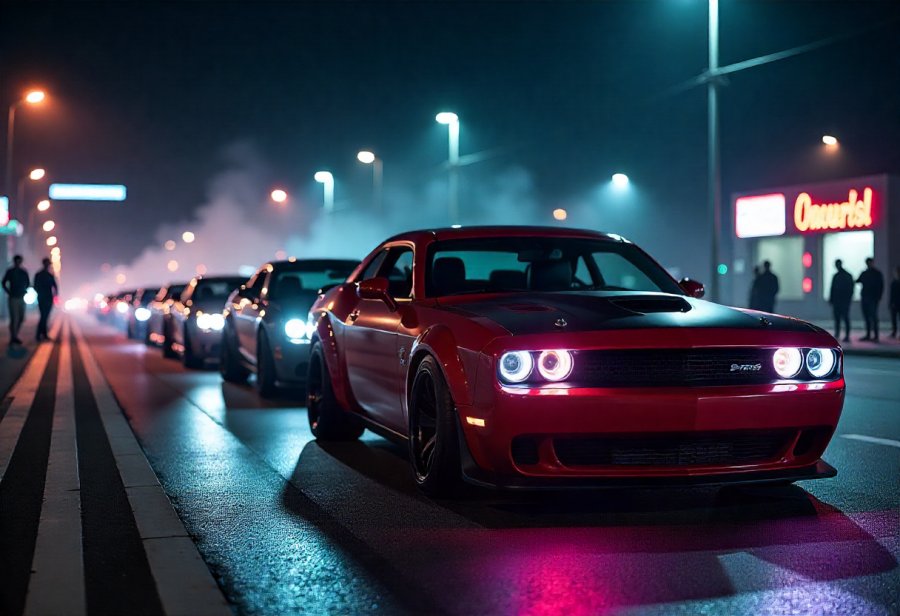
Night racing maintains its allure, with darkness adding an element of danger and intimacy. Racers gather in secluded spots, engines humming softly as they prepare for the countdown. When the green light flashes, engines roar and smoke billows into the night, but beneath the chaos lies a tightly knit team trusting each other’s skills and respect. For many, these moments are less about winning and more about feeling alive—pushing limits with friends who have become family.
Despite increased efforts from law enforcement and ongoing safety concerns, the scene endures. Digital tools—social media groups, encrypted messaging, and online forums—play a crucial role in organizing races, sharing tips, and showcasing builds. These platforms extend the brotherhood beyond local borders, linking racers across cities and even countries. Many incorporate GPS and digital tuning devices into their routines, blending old-school loyalty with new technology to stay competitive and discreet. This digital presence keeps the culture dynamic, resilient, and connected.
A new generation of racers, more tech-savvy and connected, injects fresh energy into the scene. Influencers and content creators share stories of modified cars, daring races, and tight-knit communities worldwide. This online exposure broadens the scene’s reach, making it more inclusive and diverse while still rooted in the core values of trust and loyalty. Even as external pressures rise, the essence of underground racing—trust, shared risk, and brotherhood—remains unshaken.
Looking ahead, innovations like electric vehicles and advanced digital tools promise to reshape street racing. Quieter, more discreet electric cars could help racers stay under the radar, while sophisticated online platforms will facilitate safer, more organized gatherings. Yet, the heart of the scene—the bonds forged through late-night support, shared sacrifices, and mutual respect—will likely stay unchanged. These relationships are the true engine of resilience, ensuring the culture’s longevity amid evolving technology and increasing regulation.
The future of underground street racing hinges on its ability to adapt without losing its core identity. By embracing new tools and ideas while holding onto its principles of loyalty and brotherhood, the scene can continue to thrive. Communities that prioritize trust and mutual support will persevere, turning external challenges into opportunities for growth. In the end, it’s these unbreakable bonds—more than the cars or the races—that define this high-octane world, ensuring its spirit endures for generations to come.
Speed and Loyalty: Building Unbreakable Bonds Through Street Racing
Participation in underground street racing goes far beyond the thrill of high-speed pulls; it’s a foundation for forging deep, unbreakable bonds. Sharing late-night tuning sessions, pulling together to fix a broken ride, or pushing limits side by side creates trust that words can’t capture. These moments turn acquaintances into brothers, each supporting the other through challenges both on and off the street. Over time, this shared effort builds a loyalty rooted in mutual respect and genuine connection.
Rituals and traditions strengthen these relationships. Many crews have initiation rites that require newcomers to prove their skills before earning full trust. Regular gatherings—whether for pre-race inspections or post-race celebrations—become rituals that reinforce a sense of belonging. These routines symbolize loyalty, transforming fleeting moments of adrenaline into lifelong commitments. They weave a fabric of community that feels like family, rooted in shared experiences and common goals.
Cars themselves become symbols of unity. Crew members personalize their rides with logos, decals, and custom paintwork that display their allegiance. Maintaining and upgrading these vehicles together deepens bonds, turning each car into a badge of pride. The collective effort of tuning, repairing, and customizing transforms individual machines into symbols of shared craftsmanship and loyalty, strengthening the sense of brotherhood with every bolt tightened and every paint stroke.
The loyalty cultivated through racing extends into everyday life. Members often support each other through personal struggles, offer advice, or simply stand by one another outside the racing scene. This support system becomes a vital part of their lives, built on the trust and camaraderie forged during late-night sessions and risky races. Knowing they can rely on each other creates a safety net that extends beyond the asphalt, making the brotherhood resilient against external pressures.
Conflicts may arise, but the strength of these bonds usually prevails. Disagreements are addressed through honest communication and mutual respect, emphasizing that loyalty outweighs rivalries or disputes. Crew leaders and members prioritize reconciliation, knowing that the unity of the group depends on trust and understanding. This approach preserves the integrity of the brotherhood, allowing relationships to heal and grow stronger over time.
The core of underground racing is about creating a family born from shared passion and trust. The bonds formed through late-night races, secret meetups, and collective sacrifices go beyond mere friendship—they become lifelong connections. These relationships are the heartbeat of the scene, providing a foundation that withstands external pressures and internal challenges alike.
This brotherhood thrives because it’s built on authenticity. It’s not just about racing fast; it’s about supporting each other through thick and thin. Every shared moment, every act of loyalty, reinforces a community where trust is sacred. This sense of kinship becomes a driving force, fueling the scene’s resilience and ensuring that the bonds forged on the streets remain unbreakable.
In the end, underground street racing’s true power lies in its ability to turn speed into a vessel for loyalty and brotherhood. The relationships formed here are rooted in shared risks, mutual respect, and genuine care—values that transcend the asphalt and continue to define the culture. As long as these bonds remain, the spirit of underground racing will endure, carried forward by a family united not just by speed, but by an unshakeable sense of loyalty.
Forging the Future: Trends and Trust in the Evolution of Racing Brotherhood
As underground street racing continues to evolve, new technologies and societal shifts are shaping its future in unexpected ways. Electric vehicles are gradually making their mark, offering quieter, more discreet performance options that could help racers stay under the radar while still pushing limits. Simultaneously, digital tools like advanced tuning devices, GPS tracking, and encrypted platforms are transforming how crews organize, share knowledge, and build community across distances. These innovations allow the core values of loyalty and brotherhood to remain intact, even as the scene adapts to a more connected, tech-driven world.
At the same time, increasing law enforcement efforts and safety concerns aren’t fading away. Many crews are shifting to more secluded locations or relying on encrypted messaging to coordinate races, adding a layer of risk but also ensuring their secrecy. Despite these hurdles, the foundation of trust and loyalty—built through shared risks and late-night support—remains remarkably resilient. These core values serve as a shield, enabling the scene to adapt without losing its rebellious spirit or sense of kinship.
Younger generations, more familiar with digital culture and social media, are injecting fresh energy and ideas into the scene. Influencers and content creators showcase modified cars and daring races to a global audience, broadening the community’s reach and making it more inclusive. This digital expansion helps preserve the brotherhood, allowing it to grow beyond local borders while maintaining its essential bonds rooted in trust, shared passion, and mutual support.
Looking ahead, innovations like electric powertrains and sophisticated online platforms promise to reshape street racing. Quieter, more discreet electric cars could make it easier for racers to operate without attracting attention, while online communities will continue to facilitate safer, more organized events. Yet, the heart of underground racing—the unbreakable bonds formed through shared risks and late-night loyalty—remains unchanged. These relationships are the real engine of resilience, ensuring the scene’s spirit endures despite external pressures.
The key to sustainable growth lies in balancing tradition with innovation. By embracing new tools and ideas without compromising its core principles, the scene can thrive. Communities that prioritize trust, mutual support, and genuine loyalty will withstand regulatory challenges and societal skepticism. These relationships aren’t just about racing—they’re about creating a resilient network that can adapt and flourish through changing times, carrying the brotherhood forward for generations to come.
As the scene moves into the future, its strength will depend on maintaining that delicate balance. While technology and external pressures will continue to shape underground racing, the bonds forged in shared passion and risk will be the true foundation. These relationships, built on loyalty and respect, will keep the spirit alive. No matter how much the scene transforms, it’s the unbreakable brotherhood—more than the cars or races—that will ensure underground street racing remains a powerful, enduring part of automotive culture.
About the Author