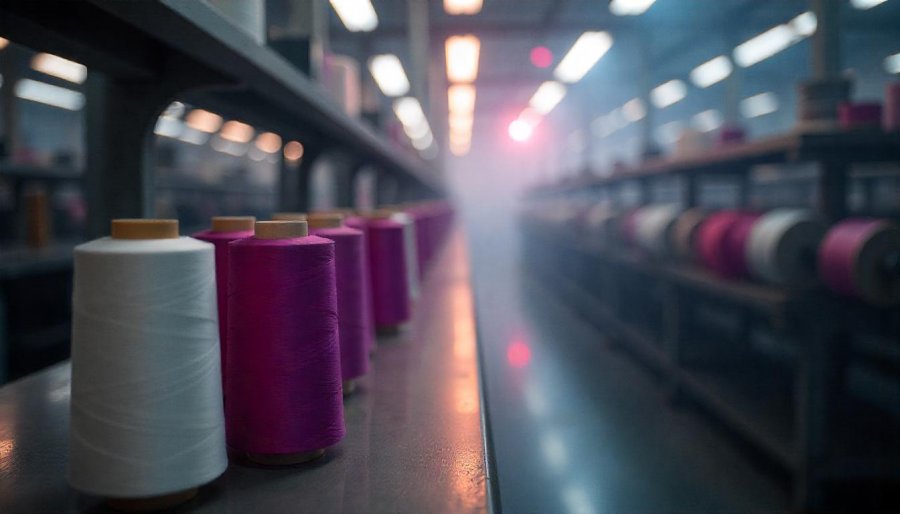
Nylon has become a ubiquitous material in our daily lives, from clothing to household items, yet its origins reveal a complex web of environmental consequences rooted in petrochemical processes. Produced from finite fossil fuels through energy-intensive chemical reactions, nylon’s manufacturing releases greenhouse gases and pollutants, contributing to climate change. Its durability means it persists in landfills for centuries, leaching toxins and microplastics into ecosystems, which threaten marine life and human health alike. Microfibers shed during washing contaminate water sources and enter the food chain, creating a hidden crisis of microplastic pollution. As demand for nylon grows, so does its ecological footprint—necessitating urgent shifts toward sustainable alternatives such as recycled fibers, biodegradable textiles, and natural materials like hemp and bamboo. Could conscientious choices and innovative technologies help break this cycle of environmental harm, transforming fashion from a pollutant into a force for sustainability? The challenge lies in rethinking how we produce, use, and dispose of this synthetic staple.
Unveiling Nylon: Its Ubiquity and Hidden Environmental Toll
Nylon is one of those materials that’s become almost invisible in our daily lives. From the clothes we wear to the carpets we walk on and the gear we take for outdoor adventures, nylon’s versatility and durability make it a go-to choice across countless industries. Its rise to prominence in the mid-20th century marked a major shift, offering a synthetic alternative to natural fibers that was affordable, strong, and elastic. This convenience made nylon a staple in everything from fashion to engineering, shaping how products are designed and manufactured.
But behind its widespread use lies a complex story of environmental impact. As our dependence on nylon grows, so does the footprint associated with its production and disposal. Every step—from extracting raw materials to manufacturing and eventually discarding—has ecological consequences. Nylon is primarily derived from petrochemicals, which are extracted through energy-intensive processes that rely heavily on fossil fuels. These processes release greenhouse gases and pollutants into the atmosphere, contributing to climate change and environmental degradation.
Understanding nylon’s origins reveals why it’s so embedded in our economy and lifestyle. Its raw materials come from refining oil and natural gas, which are finite resources with serious ecological costs. The chemical reactions involved in transforming these fossil fuels into long-chain polymers require significant energy and produce hazardous waste. This dependency on fossil fuels links nylon directly to issues like habitat destruction, pollution, and greenhouse gas emissions.
Moreover, nylon’s durability means it persists long after its initial use. Instead of decomposing, it often ends up in landfills where it can take centuries to break down. During this time, it leaches chemicals into the soil and water, affecting ecosystems and communities. Washing nylon garments releases tiny microfibers—microplastics—that pollute oceans and threaten marine life. These pollutants can eventually reach humans through the food chain, raising concerns about health impacts.
As we examine nylon’s widespread presence, it’s clear that its environmental costs are far-reaching. From resource extraction and chemical processing to waste and pollution, every stage underscores the urgent need for awareness and change. Recognizing these impacts can motivate us to seek more sustainable options and rethink how we use and dispose of this ubiquitous material.
The Chemistry and Creation of Nylon: From Petrochemical Roots to Fiber
Nylon is a synthetic fiber made up of long chains of molecules called polymers, which give it exceptional strength, elasticity, and durability. Its chemical foundation is based on polyamides—molecules linked by amide bonds—that are created through intricate chemical reactions. The most common form, nylon 6,6, results from combining two raw materials: hexamethylenediamine and adipic acid. Neither of these substances occurs naturally; they are derived from the refining of fossil fuels like crude oil and natural gas.
The production process begins with extracting these fossil fuels from underground reserves or offshore drilling sites. Once extracted, they are processed into chemical feedstocks—basic building blocks used to manufacture plastics and fibers. This refining involves breaking down complex hydrocarbons into smaller, more reactive molecules, a step that consumes significant energy and releases greenhouse gases, amplifying environmental concerns linked to fossil fuel use.
Next, these feedstocks undergo chemical synthesis to form nylon. Hexamethylenediamine and adipic acid are subjected to condensation polymerization—linking them into long chains—while releasing water molecules as byproducts. The resulting polymers are then dissolved in a solution to prepare for fiber spinning. This stage requires precise temperature control and specialized equipment, further increasing energy consumption and environmental impact.
The spinning of these polymers into fibers involves methods like wet spinning or melt spinning. In these processes, the liquid polymer is forced through tiny nozzles to create continuous filaments, which are then cooled, stretched, and treated to enhance their strength and elasticity. Each step in transforming petrochemicals into usable fibers relies heavily on fossil fuels, making nylon’s manufacturing a significant contributor to pollution, energy consumption, and resource depletion.
Understanding how nylon is produced highlights its deep dependency on finite fossil resources and energy-intensive processes. From extraction and refining to chemical synthesis and fiber spinning, every stage involves substantial environmental costs. Recognizing this complex chain underscores the importance of exploring sustainable alternatives and rethinking our reliance on such resource-heavy materials, especially as demand continues to grow.
Beyond Use: How Nylon Pollutes Ecosystems and Threatens Human Health
Nylon’s environmental footprint extends well beyond its manufacturing, affecting ecosystems and human health at every stage of its lifecycle. When washed, nylon textiles shed tiny fibers—microplastics so small they often escape detection—that end up in rivers, lakes, and oceans. Marine animals mistake these fibers for food, ingesting them and suffering internal injuries, reproductive issues, or even death. These microplastics persist in the environment, resisting natural breakdown, and gradually accumulate in the food chain, posing risks to both aquatic life and human consumers.
In landfills, nylon’s durability becomes a long-term problem. Its resistance to decomposition means it can linger for hundreds of years, slowly leaching chemicals into the soil and groundwater. These substances can contaminate ecosystems, harm soil quality, and threaten nearby communities. During disposal and use, chemicals involved in nylon production—such as volatile organic compounds—may also escape into the air and water, spreading toxins and increasing health risks for factory workers and residents near production sites.
The microplastic pollution from nylon doesn’t stay confined to the oceans; it infiltrates freshwater systems and terrestrial environments as well. Every wash releases fibers that bypass filtration systems, entering rivers and lakes where they are mistaken for food by fish, shellfish, and other aquatic creatures. This ingestion can cause physical harm or chemical contamination, disrupting ecosystems and threatening biodiversity. As these microfibers accumulate, the potential for widespread ecological imbalance and health hazards grows, impacting both wildlife and humans.
Fossil fuel extraction—the foundation of nylon production—further amplifies environmental damage. Drilling for oil and natural gas devastates habitats, pollutes water sources, and contributes significantly to climate change through greenhouse gas emissions. The chemical processes used in converting these resources into nylon release pollutants into the air and water, compounding the environmental toll. As demand for nylon rises, so does the pressure on finite resources and the associated ecological harm.
Discarded nylon products often end up in landfills, where they can take centuries to break down. During this time, they continue to leach chemicals and microfibers into the environment, polluting soil and water and contributing to the global plastic waste crisis. This persistent pollution impacts wildlife, contaminates ecosystems, and poses ongoing health risks to nearby communities, making nylon a long-lasting environmental challenge rather than a disposable convenience.
The cumulative effect of nylon’s lifecycle highlights a cycle of pollution that’s difficult to break. From resource extraction and chemical processing to waste disposal, each phase releases toxins and microplastics that threaten marine life, terrestrial ecosystems, and human health. Recognizing these ongoing impacts pushes us to consider alternatives—such as recycled fibers or natural materials—and to rethink our reliance on resource-intensive, durable synthetics.
Addressing nylon’s environmental consequences requires collective awareness and action. Reducing microplastic pollution, supporting sustainable materials, and implementing better waste management practices can help mitigate its long-term effects. Each choice—whether in manufacturing, consumption, or disposal—shapes the future of our ecosystems and health, emphasizing the importance of moving toward more responsible, eco-friendly solutions.
Greener Choices: Sustainable Alternatives to Replace or Reduce Nylon
To cut down on nylon’s environmental footprint, many brands and consumers are turning to more sustainable options. Recycled polyester, made from discarded plastic bottles and waste textiles, is one of the most popular alternatives. It helps divert plastic waste from landfills and oceans while reducing the demand for virgin fossil fuels. Using recycled fibers also lowers greenhouse gas emissions, supporting a more circular economy where materials are reused instead of discarded after a single use. Biodegradable fibers like polylactic acid (PLA), derived from renewable plant sources such as corn or sugarcane, are designed to break down naturally after disposal, significantly easing long-term pollution concerns.
Natural fibers such as hemp, linen, and bamboo offer promising eco-friendly options that require fewer resources to produce. Hemp, in particular, is fast-growing, resistant to pests, and absorbs large amounts of carbon dioxide, making it highly sustainable. These fibers can often match nylon’s versatility in clothing and accessories, providing consumers with eco-conscious choices without sacrificing durability. Supporting brands that prioritize natural and recycled materials encourages a shift across the industry toward more responsible manufacturing practices.
Beyond choosing better materials, consumer habits also play a crucial role in reducing nylon’s impact. Proper garment care—like washing clothes in gentle cycles, using eco-friendly detergents, and avoiding excessive washing—can significantly decrease microfiber shedding. When nylon items are no longer usable, recycling or donating extends their life cycle, preventing unnecessary waste and microplastic release. Small daily decisions, made consistently, can collectively push the industry toward greener standards.
Industry standards and technological innovations are essential to accelerating sustainable change. Governments can incentivize eco-friendly practices through regulations that promote recycled and natural fibers, while stricter pollution controls help reduce emissions from manufacturing plants. Advances in chemical recycling, which break down nylon into raw materials for reuse, move us closer to a circular textile economy. These innovations signal a shift toward cleaner production methods that can lessen nylon’s environmental toll.
Supporting sustainable alternatives isn’t just about individual choices; it influences broader industry trends. When consumers demand products made from recycled or natural fibers, brands are more likely to prioritize eco-friendly sourcing and transparent practices. This collective influence can speed up industry-wide adoption of greener materials and manufacturing processes, fostering innovation and reducing resource depletion. Over time, such shifts can reshape the future of fashion into one that’s more aligned with environmental health.
Every step toward reducing nylon reliance counts. Choosing recycled, biodegradable, or natural fibers, caring for garments responsibly, and recycling used textiles all contribute to a more sustainable approach. These actions not only cut the environmental costs of production and disposal but also promote a mindset shift—where eco-consciousness becomes the norm. Embracing these alternatives helps pave the way for a future where fashion and sustainability go hand in hand, protecting our planet for generations to come.
A Call to Action: Addressing Nylon’s Environmental Impact for a Sustainable Future
Nylon’s environmental impact stretches across every stage of its lifecycle, from resource extraction to long-term disposal. Its reliance on fossil fuels fuels pollution, habitat destruction, and climate change, making its production an ongoing ecological challenge. As demand continues to grow, so does the pressure on finite resources, deepening the cycle of environmental degradation tied to this synthetic material.
Its durability is a double-edged sword. While it provides longevity in use, nylon persists in ecosystems for hundreds of years once discarded. During that time, it releases chemicals and microfibers—tiny plastic particles that contaminate oceans, rivers, and soils. These pollutants threaten wildlife, disrupt ecosystems, and eventually find their way into the human food chain through seafood and water supplies.
Washing nylon garments sheds microplastics that bypass filtration systems, polluting waterways and harming marine life. In landfills, nylon’s resistance to decomposition means it remains intact, gradually leaching toxins into the environment over centuries. This persistent waste contributes to the global plastic crisis, impacting ecosystems and communities alike. The chemicals used in manufacturing can also escape into the air and water during use and disposal, adding to the health risks faced by factory workers and nearby residents.
The extraction of fossil fuels—the foundation of nylon—further intensifies environmental harm. Drilling damages habitats, pollutes water sources, and accelerates climate change through greenhouse gas emissions. The chemical processes that turn oil and gas into nylon involve energy-intensive steps that produce hazardous waste, compounding ecological costs at every stage.
Addressing these challenges requires a shift toward sustainable alternatives. Recycled fibers, biodegradable textiles, and natural materials like hemp and bamboo offer promising options that minimize resource use and pollution. Supporting brands that prioritize eco-friendly sourcing and responsible manufacturing accelerates this transition, fostering a more sustainable industry landscape.
Consumer choices matter. Proper garment care—such as reducing washing frequency and using eco-friendly detergents—can significantly cut microfiber shedding. Recycling or donating nylon items extends their lifecycle, preventing unnecessary waste and microplastic release. Collective action, from individual habits to industry reforms, can reshape the future of textile production and consumption.
Policy measures and technological innovations play a crucial role in reducing nylon’s environmental toll. Regulations that promote recycling, stricter pollution controls, and advances like chemical recycling can help close the loop. These steps facilitate resource conservation and lessen ecological harm, steering us toward a circular, eco-conscious textile industry.
Every one of us has a part to play. By demanding sustainable materials, supporting responsible brands, and making mindful choices, we help challenge the status quo. Reducing reliance on resource-heavy synthetics like nylon is vital for preserving ecosystems, safeguarding human health, and ensuring a healthier planet for generations to come. Our collective efforts can turn awareness into action, shaping a more sustainable future where fashion and environmental responsibility go hand in hand.
About the Author




