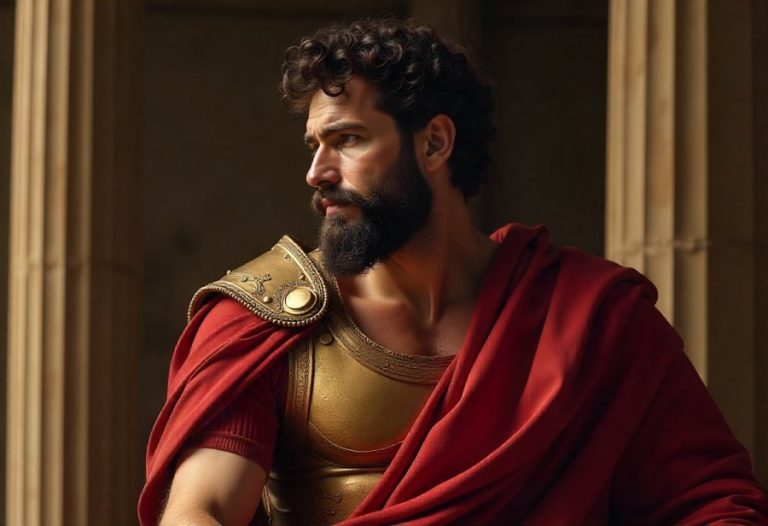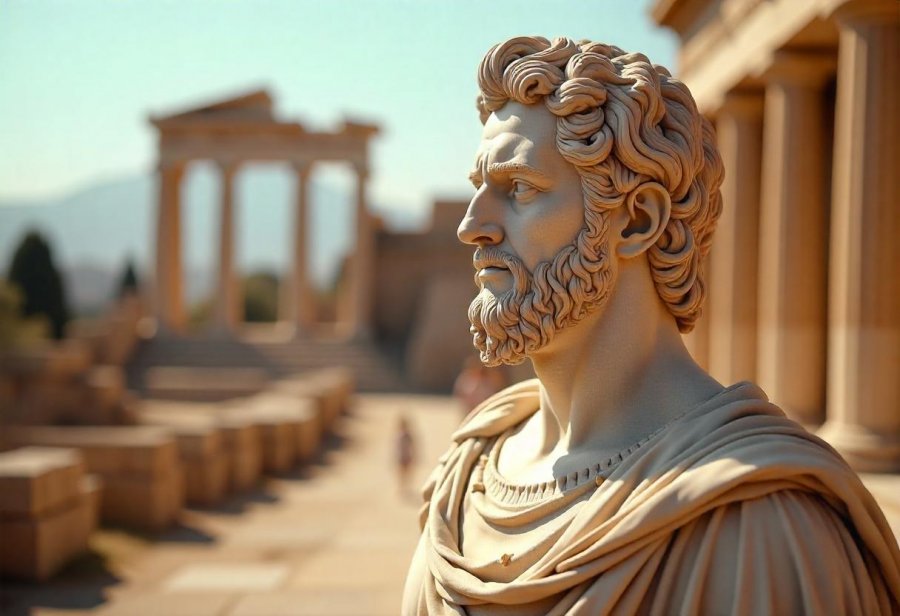
Uncover the astonishing strategies and relentless ambition that propelled Alexander the Great from a young prince to one of history’s most legendary conquerors, transforming ancient civilizations and redefining the very concept of empire. How did a leader master the art of swift adaptation, psychological warfare, and cultural integration to forge an empire that endured long after his death? This exploration reveals his innovative military tactics—like flexible formations and daring maneuvers—that often caught enemies off guard and shortened campaigns. Beyond the battlefield, Alexander’s vision of unification through respect and intercultural exchange created a resilient social fabric that influenced subsequent civilizations. His unwavering drive for greatness, combined with strategic flexibility and bold risk-taking, offers timeless lessons in leadership, resilience, and influence. Are you ready to learn how one man’s daring ambition can shape history and inspire future generations?

Alexander the Great: A Legacy of Conquest and Vision
Alexander the Great stands as one of history’s most enduring symbols of military genius and visionary leadership. His name conjures images of swift conquests, daring strategies, and an unrelenting drive to reshape the world. From his early years in Macedon, he inherited a kingdom already primed for expansion, thanks to his father, King Philip II, whose reforms laid a strong foundation. Yet, it was Alexander’s own ambition, intellect, and innovative tactics that transformed him from a prince into a legend.
What elevates Alexander beyond other conquerors is his ability to turn battlefield encounters into psychological victories. His mastery of surprise, combined with flexible formations like the renowned Macedonian phalanx, allowed him to adapt swiftly across diverse terrains and formidable foes. His campaigns stretched from Greece through Persia, Egypt, and into India—territories long resistant to unification—highlighting his exceptional capacity to inspire, coordinate, and dominate across cultures.
His significance extends beyond military success. Alexander’s empire-building strategies reflected a sophisticated understanding of cultural integration. He founded cities, encouraged intercultural exchanges, and adopted local customs, weaving Greek traditions into the fabric of the societies he encountered. This approach helped ensure his influence endured long after his death, shaping the Hellenistic world and its lasting legacy.
Throughout his life, Alexander exemplified boldness and resilience. He was willing to take strategic risks—crossing deserts or launching daring assaults—believing that extraordinary rewards required extraordinary efforts. His leadership inspired unwavering loyalty among his troops, fueling his relentless pursuit of greatness and transforming his ambitions into a historic reality.
His influence remains profound. His tactical innovations—rapid cavalry maneuvers and psychological warfare—became foundational elements of military strategy. Though his empire was short-lived politically, his legacy fostered cultural and scientific exchanges that shaped subsequent civilizations. Today, scholars and strategists continue to study his life, recognizing that the essence of his greatness lay in vision, adaptability, and daring leadership.
Foundations of Leadership: Early Influences and Traits
Alexander’s leadership was profoundly shaped by a combination of personal qualities, early education, and the political environment of Macedon. From a young age, he was immersed in the complexities of warfare and governance, which laid the groundwork for his strategic mind. His tutelage under Aristotle played a crucial role, nurturing his curiosity, ambition, and tactical thinking. This education fostered a love for philosophy, culture, and innovation, fueling his relentless drive for greatness.
His royal upbringing also immersed him in court politics, where loyalty and alliances were vital. These early experiences instilled resilience and adaptability—traits that would define his leadership style. The importance of personal charisma and commanding presence became clear early on; he learned how to inspire loyalty and respect among followers through confidence and strategic manipulation.
Courage was woven into his character, but so was an acute awareness of cultural differences. Exposure to various customs and ideas through his education and environment encouraged him to see leadership as more than martial prowess. Instead, he viewed it as a means to unite diverse peoples under a shared vision, blending strength with cultural understanding.
These formative influences created a resilient, innovative mindset that would serve him well in turbulent political landscapes. His capacity to adapt and lead with confidence was rooted in early experiences that prepared him to transform not just his army but also the societies he sought to conquer, setting the stage for his extraordinary ambitions.
Decoding Key Concepts: Empire Building, Strategy, and Visionary Leadership
Understanding key concepts is essential to grasp the full scope of Alexander the Great’s extraordinary achievements. When we talk about empire building, we’re referring to more than just territorial expansion; it encompasses creating a unified realm through military conquest, diplomatic alliances, and cultural integration. Alexander’s strategy aimed to weave diverse regions into a cohesive whole, blending Greek traditions with local customs to foster loyalty and stability across vast territories.
Military strategy, in this context, involves the planning and execution of warfare—how armies maneuver, formations are deployed, and resources allocated. Alexander’s tactics exemplify flexibility and innovation. His use of formations like the Macedonian phalanx, combined with swift cavalry maneuvers, allowed him to adapt quickly to varied terrains and enemies, often employing surprise and psychological warfare to unsettle foes.
Visionary leadership extends beyond tactical brilliance. It encompasses inspiring loyalty, setting compelling long-term goals, and guiding followers through uncertainty. Alexander’s charisma and unwavering confidence fostered a shared purpose that transcended cultural differences, fueling his relentless pursuit of greatness and unification.
These concepts—empire building, military strategy, and visionary leadership—are interconnected. They reveal how Alexander’s success depended on deliberate combinations of tactical innovation, cultural sensitivity, and inspiring purpose, transforming fleeting victories into lasting influence. Recognizing these ideas helps us understand how he turned strategic concepts into a legendary legacy.
Setting the Stage: The Broader Context of Alexander’s Rise
Alexander’s ascent to prominence was deeply rooted in the turbulent political landscape of the ancient Mediterranean and Near East. Born in 356 BCE in Pella, the Macedonian capital, he inherited a kingdom that was rapidly gaining strength under his father, King Philip II. Philip’s military reforms and strategic alliances transformed Macedonia into a formidable power, setting the stage for Alexander’s future conquests. These early foundations provided both the resources and the strategic environment necessary for his ambitious campaigns.
The broader world Alexander entered was characterized by shifting alliances and cultural exchanges. Greek city-states often juggled allegiances between Athens, Sparta, and Macedonia, while Persia’s vast empire loomed as both a threat and a source of inspiration. Growing up amidst these competing influences, Alexander learned early the importance of diplomacy, military prowess, and cultural understanding. His education under Aristotle further broadened his perspective, equipping him with knowledge that would underpin his empire-building approach.
Internally, Greek politics played a pivotal role. Macedonia’s rise challenged traditional Greek independence, creating a complex balancing act. Alexander’s ambitions navigated this delicate landscape, aiming to unify Greece while confronting external rivals. His environment, marked by political instability and opportunity, fostered resilience and a readiness to take risks—traits that defined his leadership style and prepared him to transform Macedonia into a launching pad for empire.
The legacy of Greek military innovation and cultural influence provided a familiar yet evolving backdrop. Alexander inherited a tradition of excellence, which he adapted into a strategy of rapid, flexible conquest. His early environment—filled with turbulence and potential—shaped the resilience and ingenuity that would propel him to reshape the ancient world.
Themes of Innovation and Resilience in Alexander’s Leadership
Alexander’s leadership was characterized by a persistent pattern of innovation that fueled his rapid and effective conquests. He eagerly adapted tactics on the fly, tailoring formations and maneuvers to suit each new terrain and enemy. His combination of the Macedonian phalanx with swift cavalry strikes exemplifies this versatility, often catching opponents off guard and turning potential disadvantages into decisive advantages. This willingness to experiment kept his armies agile and unpredictable, reinforcing his reputation as a master tactician.
Resilience formed the backbone of his leadership style. Confronted with harsh environments, formidable foes, and setbacks, Alexander refused to retreat or accept defeat. His endurance in crossing deserts, storming fortified cities, and rallying troops after losses inspired unwavering loyalty. This mental toughness fostered a sense of shared purpose, rallying his soldiers to push forward despite adversity and uncertainty.
Daring risk-taking was integral to Alexander’s success. He was unafraid to undertake bold actions—crossing dangerous rivers at night or launching surprise assaults—each time carefully calculated to maximize impact. These audacious moves often shortened campaigns and overwhelmed enemies, demonstrating that strategic courage, when combined with meticulous planning, could redefine the limits of warfare.
Throughout his campaigns, the themes of innovation, resilience, and boldness intertwined seamlessly. This dynamic blend created a leadership approach as adaptable as it was fearless, enabling him to sustain momentum across vast territories. His ability to respond swiftly to new challenges ensured that each victory built upon the last, forging a legacy rooted in relentless pursuit and creative problem-solving.
This pattern of behavior cultivated a culture of adaptability within his ranks. Soldiers learned to think creatively about problem-solving, embracing uncertainty as part of the journey to greatness. Such an environment bred confidence and a collective resilience, essential qualities for overcoming unforeseen obstacles in the pursuit of ambitious goals.
Alexander’s leadership exemplifies that true mastery lies in balancing bold innovation with unwavering resilience. His willingness to take calculated risks, adapt tactics rapidly, and persevere through hardships set him apart from other generals. These principles continue to resonate, offering timeless lessons for anyone seeking to lead with vision, agility, and courage.
Perspectives on Power: How Experts View Alexander’s Leadership Approach
Leadership scholars have long examined Alexander the Great’s approach through various theoretical frameworks, often highlighting his exceptional capacity for adaptability and psychological influence. Transformational leadership provides a useful lens; Alexander’s ability to inspire unwavering loyalty across diverse cultures created a shared purpose that transcended differences. His charisma and confidence fostered trust, enabling him to rally support even in unfamiliar or hostile environments.
Contingency theories resonate strongly with his tactics, as his willingness to modify formations, employ surprise, and exploit terrain exemplifies strategic flexibility. These responses to unpredictable battlefield conditions demonstrate that effective leadership hinges on tailoring actions to specific circumstances—something Alexander mastered across his campaigns.
Some interpret his leadership as rooted in personal charisma, where genuine engagement and consistent actions built trust among followers. This personal influence was vital in maintaining morale during grueling campaigns, illustrating how authenticity and confidence sustain commitment under stress.
His influence extends beyond tactics; his emphasis on rapid mobility, combined arms tactics, and psychological warfare laid foundational principles still relevant today. These innovations underscore that leadership’s core lies in inspiring confidence and adapting strategies to evolving challenges.
Alexander’s success in unifying diverse peoples through intercultural exchanges and respect for local customs exemplifies strategic leadership. By promoting inclusivity and mutual respect, he minimized resistance and fostered loyalty—an approach that continues to inform modern leadership in multicultural contexts.
His campaigns demonstrate that true leadership balances visionary inspiration with tactical flexibility. This dual focus allowed him to respond dynamically to threats and seize opportunities, setting a standard for resilient, innovative command.
Scholars agree that his legacy exemplifies how blending personal charisma with strategic contingency creates enduring influence. Alexander’s approach remains a compelling case study, illustrating that adaptability and emotional intelligence are vital in shaping lasting leadership.
Military Mastery: Strategies and Empire Expansion
Alexander’s military strategies exemplify a refined mastery of innovation and adaptability that set him apart from his contemporaries. Central to his approach was the use of the Macedonian phalanx, armed with long sarissas that provided offensive reach and defensive resilience. However, what truly distinguished him was his relentless willingness to modify these formations to suit different terrains and enemies. By integrating swift cavalry maneuvers with the infantry, he created a fluid battlefield dynamic that kept foes off balance and often overwhelmed them before they could respond effectively.
His campaigns reveal a penchant for daring tactics rooted in surprise and boldness. Crossing rivers under cover of darkness or launching unexpected assaults on fortified cities exemplify his strategic daring. These high-stakes maneuvers destabilized enemy formations and morale, often leading to swift, decisive victories. Alexander’s ability to exploit terrain—choosing battlegrounds that favored his tactics or establishing strategic positions—further amplified his edge.
Beyond raw combat power, he founded cities like Alexandria at key locations, transforming them into administrative hubs and symbols of influence. These urban centers fostered trade, cultural exchange, and loyalty, ensuring his control extended well beyond battlefield conquests. His integration of military conquest with infrastructural and cultural development created a resilient empire rooted in stability and influence.
Throughout his campaigns, Alexander’s tactics reflected his overarching vision of rapid, psychological warfare combined with strategic risks. Whether crossing deserts or mountain ranges, his swift, bold moves often caught enemies unprepared, shortening campaigns and maximizing impact. His mastery of terrain and timing turned potential disadvantages into advantages, reinforcing his reputation as a pioneer of strategic innovation.
His legendary approach to warfare was characterized by a seamless blend of tactical flexibility, psychological manipulation, and daring execution. By adapting formations and exploiting terrain, he maintained momentum across vast and diverse regions, from Persia to India. Each campaign demonstrated that victory depended less on brute strength and more on creative problem-solving and strategic audacity.
This combination of tactical brilliance and strategic foresight laid the foundation for future military thought. His innovations—rapid maneuvering, combined arms tactics, and psychological warfare—became vital principles in military doctrine. His ability to think creatively and act decisively redefined the scope of possible conquest, inspiring generations of leaders to pursue bold, adaptable strategies.
In sum, Alexander’s military mastery was a relentless pursuit of innovation, flexibility, and daring. His capacity to modify tactics swiftly, exploit terrain, and inspire loyalty across cultures not only conquered vast territories but also established a legacy of strategic excellence. These lessons in adaptability and boldness continue to resonate, reinforcing his place as one of history’s greatest military strategists.
The Art of Warfare: Legendary Tactics and Adaptability
Alexander’s military strategy exemplifies a masterful blend of innovation and adaptability that set him apart from his peers. At the core was the Macedonian phalanx, armed with long sarissas that offered offensive reach and formidable defense. Yet, what truly distinguished him was his relentless willingness to modify and refine these formations to suit diverse terrains and enemies. By integrating swift cavalry maneuvers with the infantry’s disciplined formations, he created a fluid battlefield dynamic that kept foes off balance and often overwhelmed them before they could mount an effective response.
His campaigns reveal a penchant for daring tactics rooted in surprise and boldness. Crossing rivers under cover of darkness or launching unexpected assaults on fortified cities exemplify his strategic daring. These high-stakes maneuvers destabilized enemy formations and morale, often leading to swift, decisive victories. Alexander’s mastery of terrain—carefully selecting battlegrounds that favored his tactics or establishing strategic positions—further amplified his edge and kept him several steps ahead of adversaries.
Beyond raw power, he harnessed psychological warfare to his advantage. Feigning retreats or creating intimidating displays disoriented enemies even before the clash began. This psychological manipulation often left foes demoralized, unable to coordinate a cohesive defense. His campaigns demonstrated that victory depended as much on mental acuity as on physical might.
Alexander’s legendary approach to warfare was characterized by a seamless fusion of tactical flexibility, terrain exploitation, and daring execution. Each campaign showcased his ability to adapt formations swiftly, respond to unforeseen challenges, and seize opportunities others overlooked. His innovative tactics not only conquered vast territories but also redefined the possibilities of ancient warfare.
Core Focus: Principles Behind His Success and Enduring Influence
From these core principles, the seamless integration of visionary leadership with strategic adaptability becomes clear. Alexander’s ability to articulate a compelling, unifying purpose inspired loyalty across diverse cultures and regions, demonstrating that effective leadership hinges on shared goals. His campaigns reveal that a clear, emotionally resonant vision fosters resilience and cohesion, enabling followers to persevere through hardships and uncertainty. This focus on purpose transformed scattered victories into a cohesive empire rooted in collective ambition.
His tactical flexibility—adapting formations, exploiting terrain, and seizing bold opportunities—underscores how innovation sustains momentum. Alexander’s willingness to modify tactics on the fly allowed him to respond swiftly to evolving battlefield conditions, often turning potential setbacks into advantages. His daring moves, such as crossing rivers under cover of darkness or launching surprise attacks, shortened campaigns and overwhelmed foes, setting a standard for dynamic military strategy. The importance of quick thinking and creative problem-solving remains relevant today.
Cultural integration played a vital role in his enduring legacy. By respecting local customs and promoting intercultural exchanges, Alexander fostered loyalty and minimized resistance among diverse populations. This approach demonstrated that influence rooted in mutual respect and shared identity creates a resilient social fabric—principles just as vital in today’s globalized world. His emphasis on inclusivity and diplomacy helped sustain his empire long after his campaigns concluded.
Furthermore, Alexander’s campaigns exemplify how strategic risks—taken with meticulous planning—can lead to transformative victories. From daring river crossings to storming fortified cities, his boldness often redefined what was possible in warfare. This willingness to embrace uncertainty and act decisively inspired his troops and left a legacy of innovation that still influences military thinking.
Ultimately, his success stemmed from a relentless pursuit of excellence, blending visionary leadership with tactical ingenuity. Alexander’s mastery of combining purpose, flexibility, and daring created a blueprint for lasting influence—one that continues to inspire leaders across disciplines today.
Secrets of Unstoppable Drive: Alexander’s Personal Ambition
Alexander’s relentless ambition was the engine behind every daring move and bold campaign. From his earliest years, he sought not just to rule, but to carve his name into history as the greatest conqueror the world had ever seen. This insatiable drive pushed him beyond ordinary limits, propelling him across deserts, mountains, and fortified cities with unwavering resolve. Every victory, every founding of a city, was a deliberate step toward immortal fame.
His desire for greatness was rooted in a vision of leaving a lasting legacy that would echo through eternity. Unlike rulers content with regional power, Alexander aimed to reshape the entire known world, turning fleeting victories into enduring influence. This obsession with legacy transformed setbacks into opportunities for reinvention, inspiring his troops to follow him into the unknown with unwavering loyalty.
His pursuit of conquest was as much about personal immortality as it was about empire-building. He believed that only by pushing beyond human boundaries could he achieve the greatness that would define him for generations. This conviction fueled his resilience, allowing him to face every challenge with a fierce determination. It was this unyielding hunger that made his leadership legendary.
Every step he took was driven by the conviction that history would remember him—either as a hero or a legend. His relentless ambition was not merely a desire for power but a profound quest to transcend ordinary existence, to forge a name that would endure in the collective memory of humanity.
In the end, Alexander’s unquenchable drive transformed him from a young prince into a mythic figure whose influence still shapes our understanding of leadership and greatness. His life exemplifies how an unshakable vision, fueled by relentless ambition, can turn fleeting moments into timeless legacy.

His Enduring Legacy: Impact on Civilizations and Strategies
The legacy of Alexander the Great reshaped the course of history, influencing military strategy, governance, and cultural exchange across continents. His mastery of adaptable formations and psychological warfare set enduring standards in warfare, inspiring generations from Roman generals to modern strategists. The innovations he pioneered—speed, surprise, and flexibility—became foundational principles that transformed ancient combat and continue to resonate today.
Beyond battlefield tactics, Alexander’s approach to empire-building introduced a model of cultural integration that outlived his reign. The cities he founded, notably Alexandria, served as vibrant hubs of trade, learning, and cross-cultural dialogue. These urban centers not only solidified his influence but also fostered a cosmopolitan world where Greek ideas blended seamlessly with local traditions. This synthesis created a social fabric resilient enough to endure long after his death, shaping subsequent civilizations.
His leadership demonstrated that influence depends as much on cultural sensitivity as on military might. By respecting local customs and promoting intercultural exchanges, Alexander minimized resistance and built loyalty among diverse peoples. Such strategies forged a lasting social and political cohesion, exemplifying how inclusivity can sustain an empire through turbulent times.
Military campaigns under his command exemplified innovation driven by visionary ambition. His ability to respond swiftly to changing circumstances, exploit terrain, and take calculated risks redefined what was possible in conquest. These lessons in agility and daring have become a blueprint for effective leadership across disciplines.
Politically, Alexander set a precedent for charismatic authority fused with strategic adaptability. His capacity to inspire unwavering loyalty across different cultures proved that true influence combines personal charisma with tactical flexibility. This balance fostered a sense of unity that transcended regional differences, leaving a blueprint for leadership rooted in purpose and resilience.
Culturally, his conquests sparked exchanges that enriched science, art, philosophy, and technology. The spread of Greek ideas into Persia, Egypt, and India laid the groundwork for the Hellenistic world’s intellectual flourishing. This diffusion of knowledge shaped the development of civilizations for centuries, echoing his legacy as a catalyst for cultural fusion.
The enduring influence of Alexander’s innovations extends beyond his lifetime, shaping the strategies and philosophies of future leaders. His emphasis on rapid mobility, cultural diplomacy, and daring boldness continues to inspire modern military, political, and organizational thinking. His legacy reminds us that greatness often arises from the courage to innovate and the vision to unify diverse worlds into a lasting civilization.
Leadership Lessons for Today: Applying Alexander’s Wisdom
Modern leaders and strategists can draw powerful lessons from Alexander the Great’s ability to adapt tactics swiftly and effectively. His success was rooted in flexibility—whether adjusting formations to terrain or responding promptly to enemy moves—an approach that remains vital today. Cultivating agility allows organizations to turn setbacks into opportunities, maintaining a competitive edge amid unpredictable circumstances.
Inspiring loyalty through a compelling vision played a crucial role in Alexander’s campaigns. His talent for rallying diverse groups—Greeks, Persians, Egyptians—around a shared purpose created unwavering support even in the face of adversity. Leaders today should craft goals that resonate emotionally and clearly communicate purpose, fostering resilience and dedication in their teams.
Strategic risk-taking underpinned many of his greatest victories. Alexander’s willingness to undertake daring maneuvers—crossing dangerous rivers or launching surprise attacks—demonstrates that boldness, grounded in thorough planning, can unlock breakthroughs. Modern leaders benefit from assessing risks carefully while remaining unafraid to pursue high-reward opportunities that can reshape outcomes.
Building trust and loyalty remains essential. Alexander’s personal charisma and consistent actions fostered confidence and shared commitment among his followers. Demonstrating authenticity, recognizing contributions, and engaging genuinely with teams strengthen bonds that sustain effort through challenging times.
Cultural awareness and inclusivity also prove vital. Alexander’s respect for local customs and efforts to integrate diverse traditions created loyalty and minimized resistance. Embracing mutual respect and fostering inclusivity build resilient organizations capable of thriving across complex, multicultural environments.
Finally, investing in infrastructure and relationships beyond immediate gains ensures long-term stability. Establishing strategic outposts and fostering ongoing connections create resilient foundations that sustain influence over time. Applying these principles transforms leadership from reactive to visionary, capable of leaving a lasting legacy.
Fundamental Principles: Purpose, Flexibility, and Cultural Respect
Alexander the Great exemplifies how visionary leadership and strategic adaptability create enduring influence. His ability to articulate a compelling purpose united diverse cultures under a shared ambition, demonstrating that inspiring a common goal fosters loyalty and resilience. This clarity of vision transformed scattered victories into a cohesive empire rooted in collective purpose and mutual aspiration.
His tactical flexibility—adapting formations, exploiting terrain, and seizing bold opportunities—underscores that innovation sustains momentum. Alexander’s willingness to modify strategies on the fly kept his armies agile and enemies unbalanced, often turning potential setbacks into decisive breakthroughs. This dynamic approach set a standard for modern strategic thinking, emphasizing that flexibility can be as powerful as strength.
Cultural integration played a crucial role in his lasting legacy. Respect for local customs, promotion of intercultural exchanges, and fostering inclusivity minimized resistance and built loyalty among diverse populations. These efforts created a social fabric resilient enough to endure beyond his lifetime, illustrating that influence rooted in mutual respect fosters stability and longevity.
Leadership rooted in trust and authenticity strengthened his bonds with followers. Genuine engagement, recognition of contributions, and transparent communication fostered confidence and shared purpose. Such trust empowered his campaigns and sustained morale during arduous campaigns, offering a timeless lesson for contemporary leadership.
Investing in infrastructure and relationships beyond immediate victories ensured long-term stability. Founding cities like Alexandria created administrative centers that facilitated trade, cultural exchange, and governance—foundations for enduring influence. These strategic outposts exemplify how building resilient networks supports sustained success.
Alexander’s vision extended beyond conquest; it aimed at unifying a fractured world through diplomacy and cultural synthesis. This integrated approach transformed military victory into societal transformation, shaping civilizations that thrived on diversity and shared identity. His legacy demonstrates that influence persists when leadership combines strategic brilliance with cultural sensitivity.
His example shows that boldness, when paired with thoughtful planning, unlocks new possibilities. Pursuing opportunities others dismiss—like crossing deserts or storming fortified cities—can redefine limits and accelerate progress. These daring moves, rooted in meticulous preparation, inspire innovation and instill confidence in followers.
Finally, the core lessons from Alexander’s leadership highlight the importance of purpose, flexibility, and respect. His ability to inspire loyalty across borders and adapt tactics swiftly offers a blueprint for modern leaders facing complex, multicultural environments. Embracing these principles ensures that influence endures, shaping a legacy that continues to inspire across generations.
Modern Application: Incorporating Alexander’s Strategies Today
Modern military and business leaders can draw valuable lessons from Alexander the Great’s emphasis on adaptability. His success was rooted in the ability to modify tactics swiftly and effectively—whether adjusting formations to varied terrains or responding promptly to unpredictable enemy moves. Cultivating this kind of agility allows organizations to turn setbacks into opportunities, maintaining momentum even amid uncertainty. Flexibility isn’t just a tactical advantage; it becomes a strategic necessity in dynamic environments.
Inspiring loyalty through a compelling vision proved central to Alexander’s achievements. His talent for rallying diverse groups—Greeks, Persians, Egyptians—around a shared purpose created unwavering support, even in the face of adversity. Leaders today must craft goals that resonate emotionally and articulate a clear, motivating purpose. When teams understand and buy into the bigger picture, resilience and dedication naturally follow.
Strategic risk-taking, another hallmark of Alexander’s approach, offers crucial insight. His willingness to undertake daring maneuvers—such as crossing dangerous rivers or launching surprise attacks—demonstrates that boldness, when combined with meticulous planning, can lead to breakthroughs. Modern leaders who assess risks thoroughly yet remain unafraid to pursue high-reward opportunities often find themselves shaping new paths forward.
Building trust and authenticity also underpins effective leadership. Alexander’s personal charisma and consistent actions fostered confidence and a collective sense of purpose. Demonstrating genuine engagement, recognizing contributions, and maintaining transparency strengthen bonds that sustain effort during challenges. These qualities turn followers into loyal advocates committed to shared success.
Finally, investing in infrastructure and relationships beyond immediate gains ensures long-term stability. Establishing strategic outposts, such as cities or key alliances, creates resilient foundations that support ongoing influence. Leaders who prioritize these investments build enduring networks capable of weathering future storms, echoing Alexander’s ability to leave a lasting legacy through thoughtful, proactive strategy.
Practical Steps: Emulating Alexander’s Leadership in Your Life
To harness Alexander’s leadership principles effectively, begin by crafting a clear and compelling vision that inspires others. His ability to articulate a unifying purpose rallied diverse groups around a shared goal, demonstrating that a strong, emotionally resonant message can motivate resilience even amid setbacks. When your goals resonate deeply, they foster loyalty and dedication that sustain effort over the long haul.
Next, develop the agility to adapt tactics and strategies swiftly as circumstances evolve. Alexander’s success depended on modifying formations, exploiting terrain, and responding rapidly to enemy moves. Cultivating this flexibility enables you to turn obstacles into opportunities, keeping momentum alive where others might falter. Embrace innovation and be willing to pivot with confidence, trusting your judgment in uncertain moments.
Incorporate boldness into your decision-making, weighing risks carefully but not shying away from daring moves. Alexander’s willingness to undertake high-stakes maneuvers—such as crossing dangerous rivers or launching surprise attacks—often redefined the battlefield. Strategic courage, paired with meticulous planning, opens pathways for breakthroughs that cautious approaches may overlook.
Building trust and loyalty remains vital. Demonstrate authenticity through consistent actions, active listening, and recognition of contributions. These behaviors foster confidence and a shared sense of purpose, motivating your team to persevere through challenges. When followers believe in your integrity, their commitment becomes unwavering.
Invest in infrastructure and relationships beyond immediate gains. Establishing strategic outposts or alliances creates resilient foundations that support sustained influence. Such long-term investments ensure that your achievements endure, echoing Alexander’s legacy of strategic foresight and stability.
Finally, lead with purpose and confidence, inspiring others to pursue ambitious goals. Emulate Alexander’s relentless drive by setting high standards and maintaining unwavering resolve. When your actions align with your vision, you not only achieve extraordinary results but also cultivate a legacy that motivates others to follow your example.
Resources for Growth: Books, Courses, and Mentorship
To deepen your understanding of Alexander the Great’s leadership and strategic brilliance, a variety of resources stand ready to guide your journey. Robin Lane Fox’s *Alexander the Great* offers a richly detailed biography that balances scholarly rigor with engaging storytelling, revealing both his tactical genius and personal ambition. Complementing this, Peter G. Northouse’s *Leadership: Theory and Practice* provides essential frameworks such as transformational and contingency leadership, connecting ancient lessons to modern strategies.
For visual learners, documentaries like the BBC’s *Alexander the Great* or the History Channel’s *The Legend of Alexander the Great* vividly reconstruct his campaigns. These productions bring his daring maneuvers and cultural exchanges to life, making complex tactics accessible and inspiring. Academic journals and specialized articles further deepen your insight, exploring specific aspects like military innovation and empire management with scholarly precision.
Attending conferences, seminars, or online courses focused on ancient warfare and leadership broadens your perspective through interactive engagement. Primary sources such as Arrian’s *Anabasis* and Plutarch’s *Life of Alexander* offer firsthand narratives, though they require thoughtful analysis due to potential biases. Combining these historical texts with contemporary interpretations creates a well-rounded foundation.
Additionally, exploring modern case studies reveals how Alexander’s principles translate into today’s leadership challenges. Whether in business, politics, or personal growth, the lessons of adaptability, vision, and resilience remain relevant. These resources serve as stepping stones, equipping you to incorporate Alexander’s timeless strategies into your own pursuits.
By integrating these tools into your ongoing development, you foster a mindset of continuous learning and strategic refinement. Each resource offers unique insights—whether through storytelling, analysis, or practical application—ensuring that Alexander’s legacy continues to inspire and inform your leadership journey.
Final Reflections: Embracing Innovation and Purpose
The story of Alexander the Great offers timeless lessons that continue to resonate today. His ability to adapt tactics swiftly and effectively across diverse environments exemplifies the importance of flexibility in leadership. Whether crossing deserts or storming fortified cities, his willingness to modify plans in response to circumstances kept his campaigns dynamic and successful. This adaptability reminds modern leaders that embracing change and thinking creatively under pressure can turn obstacles into opportunities.
His relentless pursuit of a unifying vision demonstrates that inspiring purpose can mobilize even the most diverse groups. Alexander’s talent for rallying armies from different cultures highlights the power of clarity, confidence, and personal charisma. Leaders who articulate compelling goals foster loyalty and resilience, especially during adversity. His example shows that shared purpose fuels perseverance and unites people in pursuit of greatness.
The daring risks Alexander was willing to undertake—such as daring river crossings or surprise attacks—highlight the value of boldness grounded in careful planning. His capacity to seize opportunities others dismiss often shifted the course of history. Modern strategists can learn that calculated risks, taken with conviction, can unlock breakthroughs and accelerate progress beyond conventional limits.
Cultural sensitivity and inclusivity played a crucial role in his enduring legacy. Respecting local customs and promoting intercultural exchanges minimized resistance and built loyalty across empires. This approach demonstrates that influence rooted in mutual respect and shared identity creates a resilient social fabric—principles as relevant today as they were in his time.
His life reminds us that true greatness arises from a blend of daring ambition, strategic flexibility, and authentic leadership. By pursuing bold visions with resilience and adaptability, we can leave a legacy that inspires future generations, just as Alexander’s has done for over two millennia.
Implementing Alexander’s Strategies in Modern Contexts
Alexander the Great’s legacy is defined by revolutionary military strategies that set enduring standards. His mastery of adaptable formations, like the phalanx combined with swift cavalry maneuvers, consistently outflanked and surprised enemies. These tactics, rooted in psychological warfare and rapid response, transformed ancient combat and influence military thinking for centuries, from Rome to modern armies. His emphasis on speed and flexibility often left foes unprepared and overwhelmed.
Beyond battlefield innovations, Alexander pioneered a model of empire-building that integrated cultural fusion with strategic governance. The cities he founded, especially Alexandria, became vibrant centers of trade, learning, and cross-cultural exchange. These urban hubs cemented his influence, fostering a resilient social fabric that outlasted his reign and shaped subsequent civilizations. His approach demonstrated that sustainable empire-building hinges on respecting local traditions while establishing strong infrastructure.
His relentless ambition fueled daring moves that redefined the limits of possibility. From crossing inhospitable deserts to storming fortified cities, his willingness to take calculated risks often shortened campaigns and secured swift victories. This audacity inspired loyalty among his troops and set a standard for bold, decisive leadership. His drive for everlasting fame turned each conquest into a step toward mythic status, inspiring generations.
Alexander’s legendary tactics—such as surprise attacks, terrain exploitation, and rapid maneuvering—are still studied today. They exemplify how creative problem-solving and bold execution can reshape the course of history. His ability to respond swiftly to changing circumstances kept his armies agile and opponents off balance, ensuring his campaigns’ swift success.
Culturally, his strategy of respecting local customs and promoting intercultural exchanges created loyalty and minimized resistance. This inclusivity fostered a social cohesion that endured beyond his lifetime, illustrating that influence rooted in mutual respect sustains long-term stability. His legacy shows that cultural diplomacy is as vital as military might.
Finally, Alexander’s combination of vision, adaptability, and daring set a blueprint for leadership that transcends eras. His life reminds us that true greatness emerges from the courage to innovate, the resilience to persevere, and the wisdom to unify diverse peoples. These principles continue to inspire leaders seeking lasting impact across all domains.
Actionable Steps: Building Your Leadership Legacy
To truly harness the lessons from Alexander the Great, begin by immersing yourself in his strategic mindset. Study his daring maneuvers—such as crossing the Hydaspes at night or his innovative use of formations—and observe how flexibility and boldness turned the tide of battles. Recognize that his success was rooted in the willingness to adapt tactics swiftly and effectively to diverse terrains and enemies.
Develop your leadership skills by focusing on inspiring loyalty through a compelling vision. Alexander’s talent for rallying diverse groups—Greeks, Persians, Egyptians—around a shared purpose was key to his campaigns. Practice articulating goals that resonate emotionally and demonstrate genuine conviction, so others feel motivated to follow you even in uncertain or challenging moments.
Embrace strategic risk-taking as a core element of growth. His daring river crossings and surprise assaults often redefined the battlefield. Carefully assess risks, but remain unafraid to pursue high-reward opportunities that can lead to breakthroughs. Bold moves, backed by meticulous planning, can open new pathways and accelerate progress.
Building trust and loyalty is essential. Alexander’s personal charisma and consistent actions fostered confidence and collective resolve. Demonstrate authenticity, recognize contributions, and communicate transparently—these qualities forge bonds that sustain effort through adversity and inspire unwavering commitment.
Invest in infrastructure and relationships beyond immediate gains. Founding strategic outposts and nurturing alliances create resilient foundations that support long-term influence. These investments ensure your achievements endure, echoing Alexander’s legacy of strategic foresight and stability.
Lead with purpose and confidence, setting ambitious goals that inspire others. Emulate Alexander’s relentless drive by maintaining unwavering resolve and a clear vision. When your actions align with your core purpose, you not only accomplish great feats but also create a lasting legacy that motivates future generations to follow your example.
Further Reading: Books, Documentaries, and Articles
To deepen your understanding of Alexander the Great’s leadership and strategic brilliance, exploring a variety of resources can be remarkably rewarding. Robin Lane Fox’s *Alexander the Great* offers a richly detailed biography that artfully combines scholarly rigor with engaging storytelling, revealing both his tactical genius and personal ambition. Complementing this, Peter G. Northouse’s *Leadership: Theory and Practice* provides essential frameworks, such as transformational and contingency leadership, which help connect Alexander’s actions to modern principles of influence and decision-making.
For visual learners, documentaries like the BBC’s *Alexander the Great* and the History Channel’s *The Legend of Alexander the Great* vividly reconstruct his campaigns. Their expert analysis and reenactments bring his daring maneuvers and cultural exchanges to life, making complex tactics accessible and inspiring. Scholarly articles and academic journals further explore specific facets of his military innovations and empire management, offering depth for those eager to analyze particular strategies in detail.
Attending specialized seminars, online courses, or leadership workshops focused on ancient warfare and cross-cultural influence expands your insights. Many institutions now offer immersive programs that encourage critical thinking and practical application, bridging the gap between history and contemporary leadership challenges. Engaging directly with primary sources like Arrian’s *Anabasis* and Plutarch’s *Life of Alexander* provides firsthand perspectives, enriching your appreciation of his complex legacy.
By integrating these diverse resources, you build a comprehensive toolkit that sharpens strategic thinking and leadership skills. Whether through narrative storytelling, scholarly analysis, or experiential learning, each resource contributes to a nuanced understanding that can inform your personal growth or professional pursuits. This ongoing exploration ensures Alexander’s enduring influence continues to inspire effective leadership across all domains.
Parting Wisdom: Inspiring Quotes and Lasting Lessons
The story of Alexander the Great reminds us that relentless ambition, paired with strategic innovation, can carve a legacy that endures through the ages. His drive to push beyond known boundaries and reshape the world exemplifies the power of vision fueled by unwavering resolve. Leaders and dreamers alike can draw strength from his example, understanding that true greatness demands daring pursuits and a refusal to accept limits.
His mastery of swift adaptation—whether crossing deserts or storming fortified cities—underscores that flexibility is essential for transforming lofty goals into tangible achievements. Alexander knew that every challenge is an opportunity to innovate, turning adversity into advantage. This mindset of resilience and creativity remains vital for anyone seeking to leave a lasting impact.
The core of his legacy—his ability to inspire loyalty across cultures and his bold risk-taking—serves as a blueprint for modern leadership. It demonstrates that influence is rooted not only in strength but also in the courage to pursue audacious visions with clarity and conviction. When we lead with purpose and adaptability, we mirror his relentless pursuit of greatness.
Let his story inspire you to see setbacks as stepping stones, to pursue ambitions with unwavering focus, and to embrace the unknown as a space for growth. In doing so, we honor a leader who dared to dream big and acted boldly—reminding us that legacy is built on the courage to forge new paths, no matter the obstacles.
About the Author