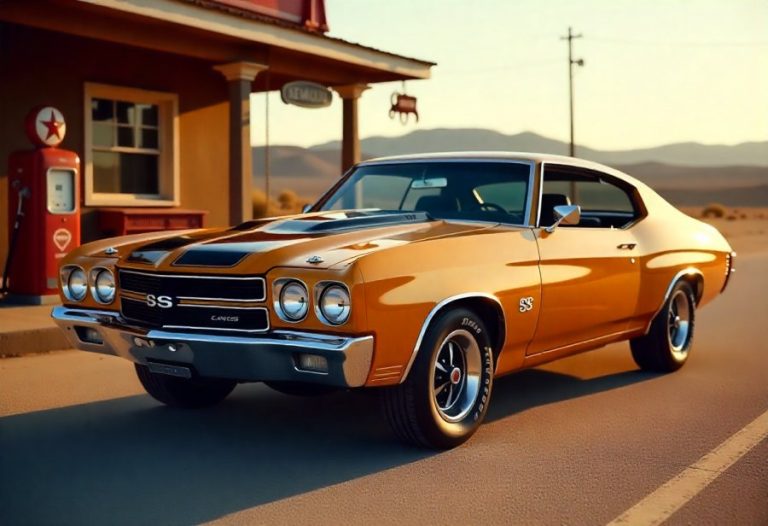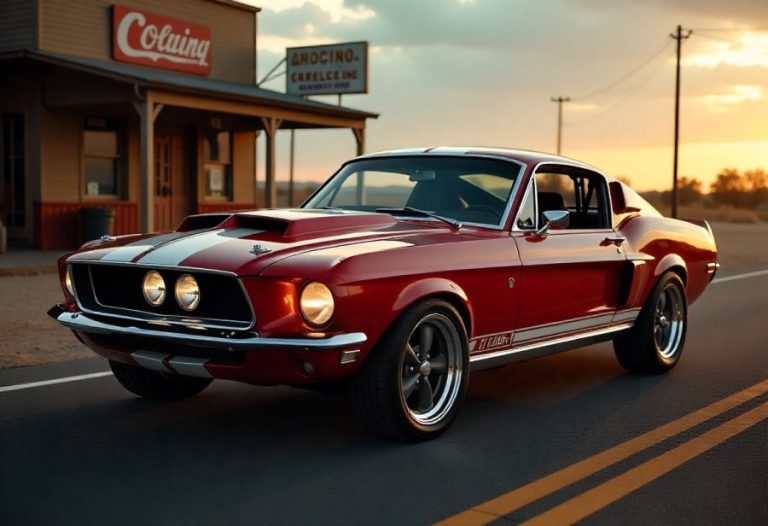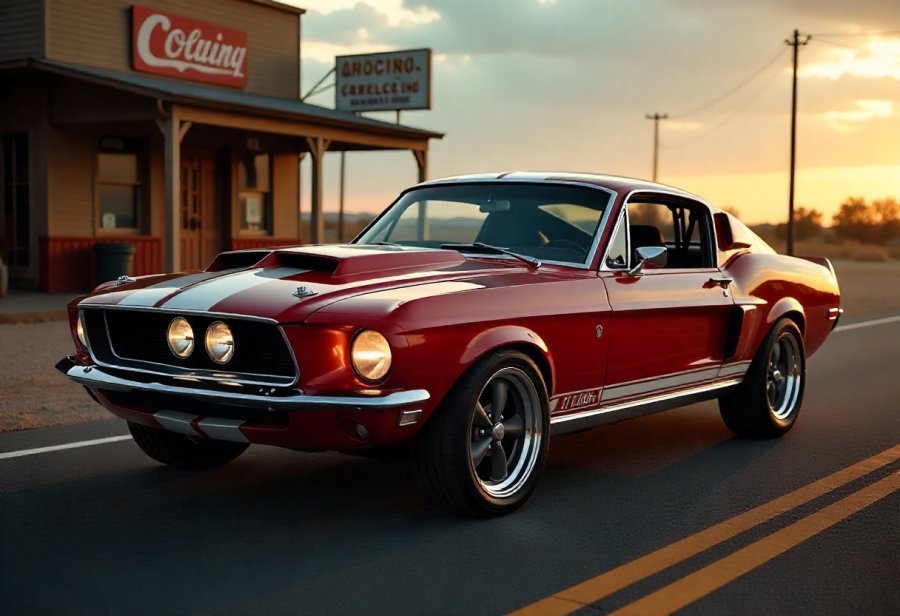
The Ford Mustang stands as an enduring symbol of American muscle, embodying freedom, rebellion, and innovation across generations. From its sleek 1960s design to the modern era’s aerodynamic prowess, it has evolved without losing its core identity—powerful performance and cultural significance. But what sustains its legendary status amid challenges like regulatory shifts, environmental pressures, and shifting consumer tastes? This iconic car has weathered fuel crisis cutbacks, safety regulations, and debates over electrification, all while maintaining its rebellious spirit. Its role transcends mere transportation, fostering communities and inspiring pop culture. As the Mustang faces an uncertain future with rapid technological change, its legacy of resilience and adaptability remains vital. Can Ford preserve its emotional appeal while embracing sustainability? The Mustang’s story is a compelling testament to innovation rooted in tradition—an ongoing chase for greatness that continues to thrill drivers and enthusiasts worldwide.
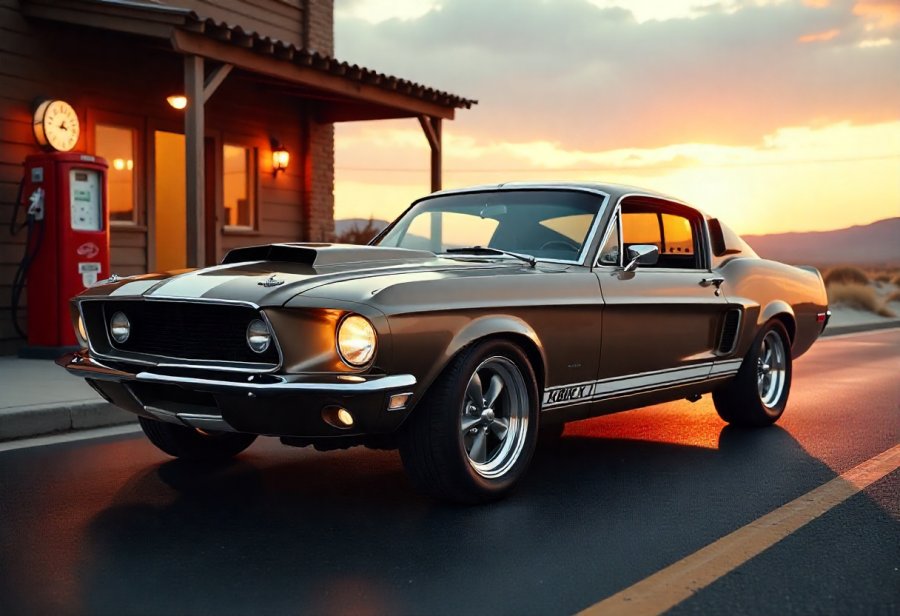
Discover the Birth of a Legend: The Ford Mustang’s Iconic Heritage
The Ford Mustang isn’t just a car; it’s a symbol of American ingenuity and rebellious spirit that has left a lasting mark on automotive history. Since its debut in 1964, the Mustang has stood out as a true icon, representing more than just speed — it embodies freedom, individuality, and the pursuit of performance. Its bold design and powerful performance quickly made it a favorite among drivers who craved excitement and style, setting a new standard for muscle cars everywhere.
When Ford introduced the Mustang, it broke away from the boxy, conservative cars of the early 1960s. Instead, it offered a sleek, sporty look that appealed to a wide audience. With its affordable price and versatile options, the Mustang was designed to be accessible yet exhilarating. Its rapid success wasn’t just about aesthetics; it became a cultural phenomenon that resonated with young Americans eager to express their independence on the open road.
The first-generation Mustang, launched in 1964, laid the foundation for what would become a legendary legacy. Its distinctive long hood and short rear deck created a muscular silhouette that remains instantly recognizable today. Under the hood, drivers could choose from modest inline-six engines to high-performance V8s, offering a range of thrills tailored to different tastes. Inside, a minimalist yet functional cockpit kept drivers engaged, emphasizing a driving experience rooted in speed and control.
Over the decades, the Mustang has continually evolved, balancing tradition with innovation. Each new generation has introduced modern technology, refined designs, and performance upgrades, all while staying true to its roots. From the raw muscle of the 1960s to today’s sleek, aerodynamic models, the Mustang has adapted to changing tastes without losing its core identity. Today’s versions feature advanced engines, safety systems, and tech integrations, yet they still carry the spirit of freedom and power that made the original an icon.
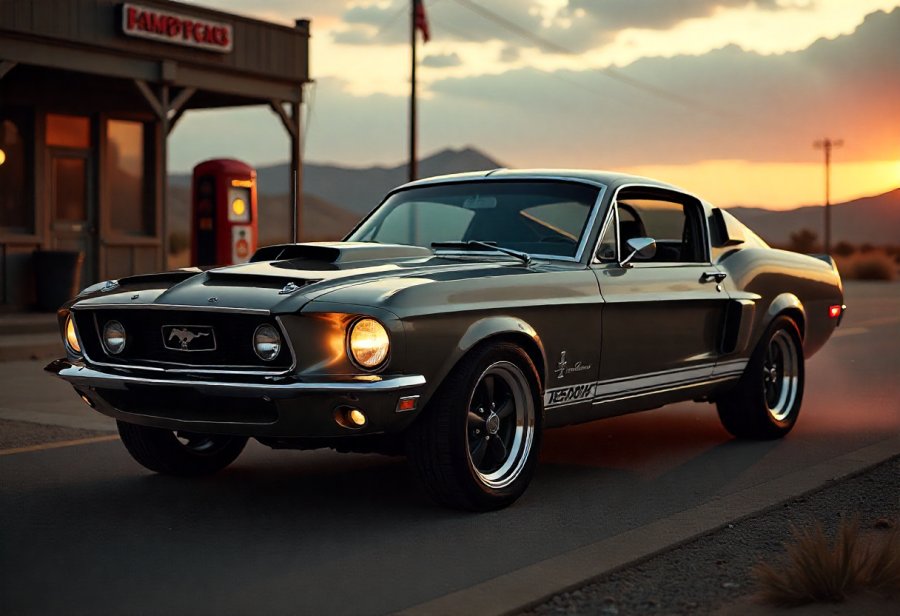
Design details have played a crucial role in maintaining the Mustang’s legendary status. Its signature wide grille with the pony emblem, flowing body lines, and aggressive stance showcase both performance and style. The fastback roofline and sculpted side panels hint at speed even when parked, while inside, a blend of vintage cues and modern touches creates a cockpit that’s both nostalgic and cutting-edge. These elements have helped the Mustang stay relevant and desirable across generations, cementing its place as a true American legend.
Thriving in the Modern Age: How the Mustang Continues to Evolve
The Ford Mustang has managed to stay relevant by seamlessly blending its rich heritage with modern innovations in design and technology. Today’s models feature sleek, aerodynamic shapes that nod to their classic roots while utilizing lightweight materials and advanced manufacturing techniques. This combination not only enhances performance and handling but also improves fuel efficiency and safety, making the car more adaptable to today’s driving conditions and expectations.
Inside, the Mustang’s cabin has undergone a significant upgrade. Modern digital displays, premium materials, and customizable options create a driver-focused environment that appeals to contemporary tastes. Touchscreen infotainment systems, smartphone connectivity, and driver-assist features like adaptive cruise control and lane-keeping assist have become standard, transforming daily driving into a safer, more convenient experience without sacrificing the car’s signature sporty feel.
Engine options have also evolved dramatically. Today’s Mustangs offer turbocharged four-cylinder engines that deliver impressive torque and acceleration, alongside traditional V8s producing over 450 horsepower. This variety allows drivers to select a model that fits their desire for either efficiency or raw power. Recently, hybrid and electric variants have entered the lineup, reflecting Ford’s commitment to innovation and sustainability, and signaling the future of performance cars that blend eco-friendliness with exhilarating driving experiences.
Design-wise, the modern Mustang retains its iconic features—like the wide grille with the pony emblem and sculpted body lines—while refining aerodynamics and stability. The fastback silhouette and aggressive stance are now complemented by enhancements that improve handling at high speeds and cornering. Inside, a balanced mix of vintage-inspired gauges and digital displays creates a cockpit that feels both nostalgic and forward-looking, catering to enthusiasts and new drivers alike.
Handling capabilities have been upgraded with features like adaptive suspensions and electronic stability controls. These systems ensure the Mustang remains agile and confident whether cruising on highways or tackling winding roads. This focus on responsiveness and control keeps the car true to its performance roots while offering a refined driving experience that appeals to modern expectations of safety and precision.
Ford’s ongoing integration of cutting-edge technology demonstrates a clear understanding: the Mustang must evolve without losing its core identity. Its ability to incorporate advanced safety, connectivity, and efficiency features—while maintaining the raw emotional appeal of its muscle car heritage—is key to its continued success. This careful balance attracts new drivers while keeping loyal fans connected to the legacy.
In essence, the Mustang’s adaptation to today’s automotive landscape highlights its resilience. It continues to thrive by embracing innovation and sustainability, all while honoring its roots. Each new iteration builds on its storied past, proving that a true legend doesn’t just survive but evolves—fueling excitement for future generations.
Overcoming Obstacles: Challenges and Controversies Shaping the Mustang’s Legacy
Throughout its long history, the Ford Mustang has faced a series of hurdles that tested its resilience as an American muscle icon. One early challenge emerged in the 1970s when rising fuel prices and stricter emissions standards sharply cut into demand for high-performance cars. Ford responded by offering smaller engines and less aggressive performance options, which disappointed enthusiasts eager for the raw power that originally defined the Mustang. This shift sparked debate about whether the car could retain its rebellious spirit amid new industry regulations.
Safety requirements also influenced the Mustang’s evolution. As crash standards grew stricter, the sleek, muscular designs of earlier models had to be modified with larger bumpers and reinforced structures. Many fans saw these changes as compromises that dulled the car’s aggressive look and feel. Ford faced the ongoing challenge of balancing safety and performance without alienating its core audience, often resulting in tensions between regulatory compliance and brand identity.
The push toward greener vehicles has stirred controversy among traditionalist fans. Electric and hybrid Mustang models promise lower emissions and better fuel economy, but some enthusiasts see them as a betrayal of the car’s rebellious roots. Critics argue that shifting away from pure muscle cars diminishes the performance and cultural appeal that made the Mustang a symbol of freedom. This debate highlights industry-wide tensions between innovation and heritage, forcing Ford to find ways to maintain performance while embracing sustainability.
Design criticisms have also persisted, especially during certain redesigns that some purists felt moved too far from the original’s bold proportions. In the late 2000s, for example, the sleeker, more refined look was seen by many as sacrificing authenticity for mass appeal. Ford has often tried to strike a balance between modern aesthetics and classic cues, but not every change has satisfied all fans. These design tensions reveal how difficult it is to evolve a legendary model without losing its core identity.
Beyond aesthetics and regulation, quality issues and recalls have occasionally marred the Mustang’s reputation. Some model years experienced defects or safety recalls that temporarily shook consumer confidence. While Ford acted swiftly to address these problems, they served as reminders that innovation must be paired with reliability. Despite setbacks, the brand’s ability to adapt and improve quality has helped sustain the Mustang’s enduring appeal.
Ultimately, the Mustang’s history demonstrates that resilience isn’t just about overcoming obstacles; it’s about adapting without losing sight of what makes it special. Each challenge has pushed Ford to refine and redefine the car, ensuring it remains relevant while honoring its roots. The ongoing balancing act between tradition and progress continues to shape its legacy.
These conflicts and criticisms, handled thoughtfully, have contributed to the Mustang’s status as a true American icon. They underscore the complex journey of a car that symbolizes rebellion, innovation, and resilience. In facing and overcoming these hurdles, the Mustang not only survives but continues to inspire, proving that true legends are built on the ability to evolve while staying true to their core spirit.
More Than a Car: The Mustang’s Role in Society and Cultural Identity
The Ford Mustang’s influence reaches beyond its engine and design—it plays a significant role in daily life, both practically and symbolically. For many owners, driving a Mustang isn’t just about getting from point A to B; it’s a statement of personality and a reflection of a desire for freedom. Its bold stance on the road often sparks admiration and conversations, transforming ordinary commutes or weekend drives into moments of connection and shared passion. The car’s commanding presence invites owners to embrace a mindset of living boldly and unapologetically.
Culturally, the Mustang has become an icon of rebellion and youthful spirit. Its appearances in movies like “Bullitt” and “Gone in 60 Seconds,” along with countless songs and media references, have cemented its status as a symbol of American muscle and independence. These images and stories keep the Mustang relevant, inspiring new generations to see it as more than just a vehicle—it’s a representation of adventure, resilience, and the pursuit of personal freedom.
For enthusiasts, owning a Mustang fosters a sense of community. Car shows, rallies, and online forums gather owners who share a common appreciation for its history and performance. These gatherings often turn into celebrations of customization, where each owner’s unique interpretation reflects both personal style and a connection to the car’s storied past. Being part of this community keeps the legend alive, passing on a sense of pride and passion from one generation to the next.
On a practical level, the Mustang offers a blend of usability and excitement. It’s a reliable daily driver for many, capable of handling city streets and highways with ease, while still providing the thrill of spirited driving. This versatility makes it accessible for those who want performance without sacrificing everyday comfort. The Mustang proves that a car can be both a practical tool and a source of joy, making it a staple in many lifestyles.
In essence, the Mustang embodies more than just speed and style—it’s a symbol of identity, independence, and cultural pride. Its influence shapes how people see themselves and their country, inspiring a sense of adventure and resilience. Whether parked in a driveway or tearing down an open road, the Mustang continues to inspire and connect, embodying the enduring spirit of American freedom and innovation.
The Enduring Legacy: Reflecting on the Mustang’s Impact and Future Outlook
The Ford Mustang’s legacy goes beyond its impressive performance and iconic design; it stands as a symbol of American resilience and innovation that continues to inspire generations. Over the years, the Mustang has evolved from a straightforward muscle car into a versatile icon that embraces modern technology while staying true to its roots. This ability to adapt has ensured its relevance, allowing each new iteration to carry forward its legendary status and cultural significance.
From the bold, simple lines of the muscle car era to today’s sleek, aerodynamic models, the Mustang demonstrates how a strong brand can endure by balancing tradition with progress. Its constant reinvention shows that innovation doesn’t mean abandoning what made it special; it’s about building on that foundation to meet new expectations. Whether through performance upgrades, advanced safety features, or eco-friendly options, the Mustang remains a symbol of freedom and power that resonates across decades.
Looking ahead, the challenge lies in preserving its iconic status amidst rapid technological change and shifting consumer values. The rise of electric vehicles and the push for sustainability present both opportunities and obstacles. How Ford will incorporate electrification without losing the emotional appeal and aggressive spirit that define the Mustang will shape its future. Its history of resilience suggests it will find ways to innovate without sacrificing its core identity, keeping the legend alive.
The Mustang’s influence extends into pop culture, inspiring movies, music, and countless enthusiasts worldwide. It embodies youthful rebellion, daring adventure, and American ingenuity, making it more than just a car—it’s a cultural touchstone. This relevance fuels its ongoing appeal, ensuring it remains a symbol of aspiration and independence for new and old fans alike.
As the brand continues to evolve, maintaining a dialogue between heritage and innovation will be key. The goal is to attract new drivers while honoring the loyalty of longtime enthusiasts. This balance will keep the Mustang not just a performance vehicle but a lasting icon that embodies the spirit of freedom and resilience.
Despite the uncertainties ahead, the story of the Mustang is one of enduring passion and continuous reinvention. Its ability to grow while staying rooted in its history has made it a lasting symbol of American creativity and strength. As long as Ford continues to innovate with purpose and respect its heritage, the Mustang will keep driving forward, inspiring new generations to chase their dreams with the same spirit that made it legendary.
In the end, the Mustang proves that a vehicle can transcend mere transportation to become a powerful emblem of identity and resilience. Its influence shapes the cultural fabric of America, representing freedom, strength, and the pursuit of adventure. Each chapter of its story adds to a legacy that’s built to last, ensuring the legend of the Mustang endures well into the future.
About the Author