In a world where seamless communication can make or break a business, could your organization be missing out on transformative technology? Grandstream’s innovative telephony solutions promise to revolutionize network efficiency and deployment ease—tailored for every need. Their carrier-grade IP phones and centralized management systems allow companies to craft highly customizable, scalable, and secure communication environments. But are you leveraging the latest advancements like cloud management, AI-driven analytics, and secure remote configurations to stay ahead? As traditional landlines give way to flexible VoIP systems, organizations face the challenge of balancing cost, security, and performance. Grandstream stands out as a strategic partner, offering versatile devices that are easy to deploy, manage, and expand—empowering businesses to operate more smoothly and respond faster in an increasingly digital landscape. Could embracing these solutions be your key to unlocking the future of effective, agile communication?
Transform Your Business Communication with Customizable Telephony Solutions
In today’s fast-moving business world, effective communication is more than just a convenience—it’s a necessity. Companies need to stay connected across multiple locations, devices, and teams, often under tight deadlines and high expectations. Customizable telephony solutions have stepped in to meet this challenge, offering the flexibility to tailor communication systems precisely to an organization’s unique needs. Unlike one-size-fits-all options, these systems let businesses choose the devices, features, and deployment methods that work best for their workflows, making daily operations smoother and more efficient.
This adaptability isn’t just about convenience; it directly influences how well a company functions. When communication tools are customized to fit specific processes, interactions become more seamless, and productivity naturally improves. Whether integrating with customer management platforms, supporting remote work, or scaling up as the business grows, personalized solutions help organizations stay agile and responsive. They enable a smoother flow of information, reducing friction and delays that can hinder progress.
Recent advances in telephony technology have accelerated this shift towards customization. Moving away from traditional landlines, digital systems like Voice over Internet Protocol (VoIP) now dominate the scene. These internet-based platforms convert voice signals into data packets, making calls more cost-effective and flexible. Devices such as IP phones connect directly to data networks, offering high-definition audio, remote management, and effortless scalability. This transition empowers organizations to craft communication environments that are not only adaptable but also easier to manage and expand.
Modern telephony solutions also support multiple communication channels—voice, video, instant messaging—all within a unified system. Deployment options range from on-premises setups to cloud-based or hybrid models, allowing organizations to choose what best fits their size, budget, and growth plans. This level of flexibility ensures that communication infrastructure evolves in tandem with the business, rather than holding it back. As a result, companies can respond more swiftly to changing demands and technological advancements.
Today’s systems emphasize security and manageability, incorporating encryption, secure remote access, and centralized control platforms like Grandstream’s GDMS. These features simplify deployment, enable remote monitoring, and facilitate quick updates across all devices, reducing downtime and safeguarding sensitive data. As telephony technology continues to evolve, these security measures become vital for maintaining trust and operational reliability in a digital landscape.
Ultimately, customizable telephony isn’t just about upgrading technology—it’s about empowering organizations to communicate more effectively and efficiently. Building systems that are scalable, secure, and tailored to specific needs allows businesses to stay ahead in a competitive environment. As digital communication continues to advance, having a flexible, personalized infrastructure will be a strategic advantage—helping organizations connect better, respond faster, and operate more smoothly than ever before.
Understanding the Foundations of Modern Telephony Systems
Modern telephony solutions are built on a foundation of digital technology that has revolutionized traditional voice communication. Moving away from reliance on dedicated copper lines, Voice over Internet Protocol (VoIP) now enables voice signals to be converted into data packets that traverse existing data networks. This shift not only reduces costs but also introduces a new level of flexibility, allowing organizations to manage their communication systems with greater ease and scalability.
At the heart of these systems is the promise of reliable, high-quality transmission. VoIP technology prioritizes voice data traffic, ensuring that calls remain clear and uninterrupted even during busy network periods. IP phones serve as digital endpoints, connecting directly to the network and offering features like remote management, high-definition audio, and seamless integration with other digital tools. These capabilities empower organizations to build communication environments that are both cost-efficient and adaptable to changing needs.
Historically, traditional landline systems depended on dedicated circuits, which worked well but limited flexibility and were costly to scale. Digital technology, especially VoIP, transformed this landscape by enabling voice data to run over existing internet infrastructure. This evolution made communication more accessible and easier to manage, supporting remote workers, mobile devices, and multi-site operations. Over time, this transition has led to feature-rich IP phones and cloud-based management platforms that facilitate quick deployment and ongoing updates.
Different organizations adopt various approaches based on their size and requirements. Small businesses often prefer cloud-based VoIP solutions for their simplicity and scalability, while larger enterprises may opt for hybrid models that combine on-premises systems with cloud services to maintain control while enjoying flexibility. These deployment strategies allow each organization to tailor its communication infrastructure to its growth trajectory and operational demands.
Effective deployment hinges on good practices such as ensuring your network can handle VoIP traffic without congestion. Implementing Quality of Service (QoS) protocols helps prioritize voice data, maintaining call quality during peak times. Proper network segmentation prevents voice traffic from competing with other data streams, reducing latency and packet loss. Regular updates, encryption, and remote management tools like GDMS simplify ongoing maintenance and enhance security.
Security remains a crucial aspect of modern telephony. Protecting voice conversations involves encrypting data, using VPNs, and enforcing strong password policies. Keeping firmware updated patches vulnerabilities and maintains system stability. Centralized management platforms further strengthen security by enabling consistent policy enforcement across all devices, ensuring reliable and protected communication channels.
Designing your telephony system with future growth in mind ensures longevity and adaptability. Today’s solutions support remote access, mobile device integration, and easy expansion, allowing organizations to evolve their communication capabilities without disruption. By focusing on scalability and resilience, businesses can maintain seamless connectivity and stay competitive in a rapidly changing digital landscape.

Embracing the Latest Trends and Technologies in Telephony
The telephony landscape is evolving rapidly, fueled by innovative technologies that make communication more flexible and user-centric. Cloud-managed solutions have become the standard, enabling businesses to set up, update, and oversee their systems remotely through centralized platforms. This shift reduces the need for on-site hardware, allowing organizations to deploy new features and scale their networks with ease, often without disrupting daily operations. As a result, companies can adapt quickly to growth or changing market demands, maintaining a competitive edge.
Emerging tools like AI-powered virtual assistants and advanced analytics are reshaping how businesses interact with customers and monitor their communication systems. Virtual assistants handle routine inquiries, freeing staff to focus on complex or high-value tasks, while analytics provide real-time insights into call patterns, system performance, and user behavior. These innovations not only improve customer experience but also enable organizations to optimize workflows, allocate resources more effectively, and identify potential issues before they escalate.
Devices designed for large-scale deployment, such as Grandstream’s scalable IP phones, simplify expansion and management. With centralized configuration and remote management capabilities, these devices can be quickly provisioned and updated across multiple locations. This flexibility reduces setup time and minimizes errors, making it easier for organizations to grow their teams without worrying about system inconsistencies or disruptions. As organizations expand, these tools support seamless integration of new endpoints and features, ensuring continuous communication flow.
Network optimization continues to be a key focus, with technologies like Quality of Service (QoS) protocols prioritizing voice traffic to maintain high call quality during peak usage. Enhanced security features—such as encryption, VPN support, and regular firmware updates—protect conversations and safeguard sensitive data from cyber threats. These advancements ensure that modern telephony systems deliver reliable, secure, and high-quality communication, even in complex or high-demand environments.
The overall trend underscores a shift toward adaptable, scalable, and secure telephony environments driven by cloud technology and intelligent devices. Organizations that leverage these innovations position themselves to stay agile, improve operational efficiency, and meet the demands of a digital-first world. This ongoing evolution isn’t just about adopting new tools; it’s about rethinking how businesses connect internally and externally, ensuring their communication infrastructure remains robust, future-proof, and aligned with today’s dynamic needs.
Grandstream: Pioneering Innovative and Flexible Telephony Devices
Grandstream has established itself as a leader in the evolution of modern telephony by offering a comprehensive range of innovative, customizable devices designed to meet diverse business needs. Their portfolio includes high-performance IP phones, gateways, and communication endpoints that integrate seamlessly into existing networks, providing reliable, high-quality voice solutions tailored to any organization size. Whether for small teams or large enterprises, Grandstream’s products deliver flexibility and dependability, supporting a variety of deployment scenarios and workflows.
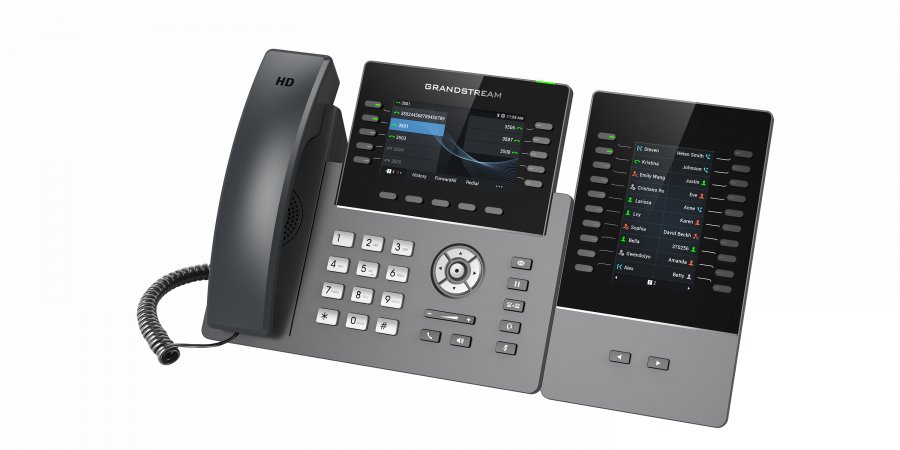
A core strength of Grandstream lies in their focus on user-centric features. Their IP phones, particularly the GRP series, combine sleek design with advanced functionalities such as HD audio, programmable keys, and sophisticated call management. These devices can be managed remotely via platforms like GDMS, allowing administrators to configure, monitor, and troubleshoot effortlessly across hundreds or even thousands of endpoints. This centralized approach simplifies deployment, reduces operational costs, and minimizes downtime, making it easier for businesses to scale their communication infrastructure.
Cost efficiency without sacrificing quality sets Grandstream apart. Their solutions are designed to be accessible for organizations of all sizes, emphasizing ease of use and quick setup. Cloud provisioning and management support mean businesses can deploy, update, and expand their systems rapidly—without heavy on-site hardware or complex configurations. This agility ensures that companies can adapt their telephony environment as they grow, without disruptive overhauls or lengthy downtimes, maintaining continuous, reliable connectivity.
Security is a top priority for Grandstream. Their devices incorporate robust encryption, secure remote access, and regular firmware updates to protect against cyber threats. The centralized management platform further enforces consistent security policies across all endpoints, safeguarding sensitive communications and ensuring compliance. This comprehensive approach to security builds trust, allowing organizations to focus on their core operations with confidence that their communication systems are resilient and protected.
Beyond hardware, Grandstream’s solutions support future growth through seamless integration with CRM systems, network topologies, and emerging technologies like AI virtual assistants. Their scalable devices and flexible deployment options enable organizations to develop a dynamic, future-proof communication environment. By choosing Grandstream, companies gain a strategic partner capable of transforming their network into a secure, efficient, and highly customizable platform—ready to meet today’s demands and adapt to tomorrow’s innovations.
Strategic Implementation of Grandstream Solutions for Seamless Connectivity
Deploying Grandstream solutions effectively starts with a clear understanding of your existing network environment. Begin by assessing your bandwidth capacity, network topology, and security protocols to ensure they can support VoIP traffic without congestion or latency issues. Implement Quality of Service (QoS) protocols to prioritize voice data, particularly during busy periods, so calls remain clear and uninterrupted. Proper network segmentation can prevent voice traffic from competing with other data streams, reducing the risk of delays or dropped calls.
Next, focus on device compatibility and firmware updates. Always use the latest firmware versions provided by Grandstream to access security patches and performance enhancements. Follow manufacturer guidelines carefully during configuration, paying close attention to network settings, security features, and provisioning options. Utilizing centralized management platforms like GDMS simplifies deployment by enabling remote configuration, monitoring, and updating of multiple devices simultaneously—saving time and minimizing errors.
When planning your rollout, consider whether an on-premises, cloud, or hybrid approach best fits your organization’s needs. Small businesses often benefit from cloud-based VoIP solutions that are quick to deploy and easy to scale, requiring minimal hardware. Larger organizations may prefer hybrid setups, combining local PBX systems with cloud management for greater control and flexibility. Aligning your deployment strategy with your operational size and growth plans helps prevent disruptions and streamlines future expansion.
Preconfiguring devices with standardized templates tailored to your network settings accelerates installation and ensures consistency across endpoints. Schedule device provisioning during low-traffic hours to avoid interrupting daily operations. After installation, thoroughly test each endpoint to identify and resolve issues early, facilitating a smooth transition with minimal impact on productivity. Regularly review system performance and conduct routine maintenance to keep everything running smoothly.
Ongoing management remains vital for a reliable telephony system. Use tools like GDMS to remotely monitor device health, security status, and call quality. Set up alerts for anomalies so you can address potential problems proactively. Keeping firmware up to date and maintaining security protocols like encryption and VPN access protect your communications from cyber threats. This continuous oversight ensures your network remains resilient, secure, and ready to scale as your organization evolves.
About the Author